No room to roam: The cost of a crowded planet for wild animals
Source Entity
AADRITA HALDER
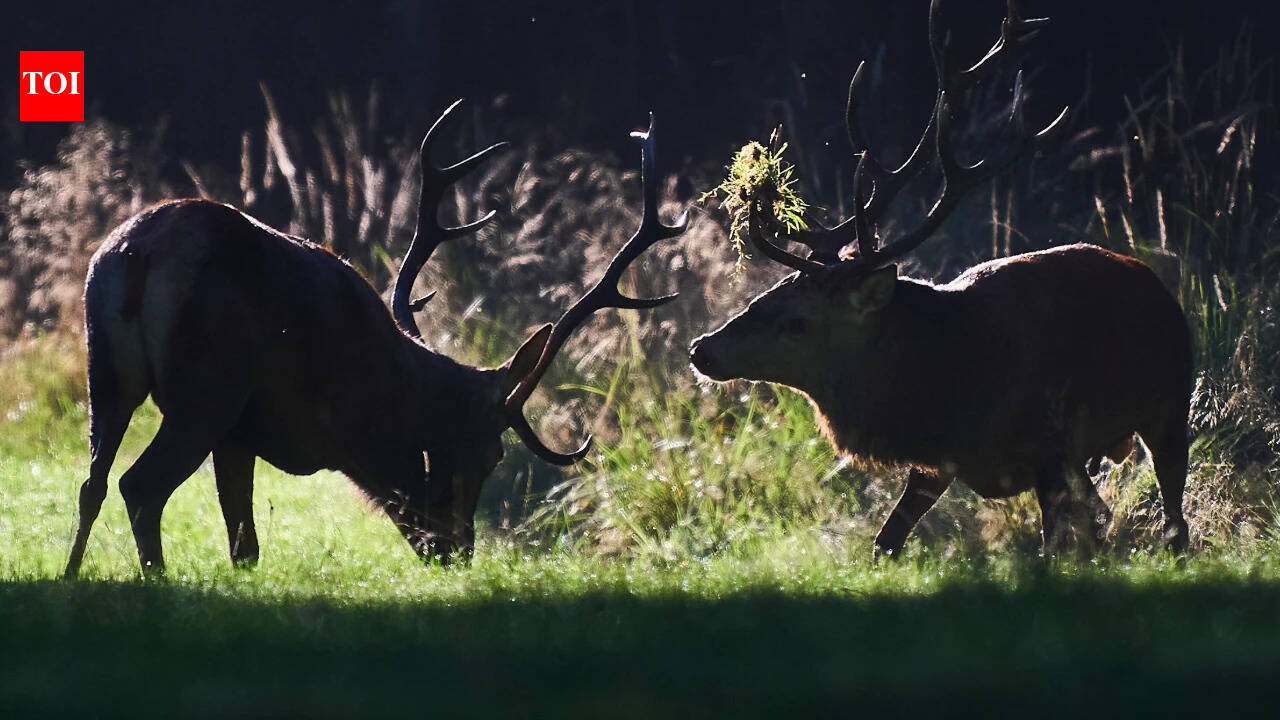
India's wildlife is facing a critical crisis due to habitat fragmentation and shrinking ecological space. This trend threatens not only iconic species like elephants and tigers but also the essential ecosystems that sustain human populations.
The Silent Crisis of Shrinking Wild Spaces in India
India’s biodiversity is currently navigating a precarious era defined by the contraction of natural habitats. Rather than a total disappearance of wilderness, the primary challenge is the fragmentation of once-contiguous landscapes into isolated pockets. This phenomenon, often described as a 'shrinking home,' forces wildlife into increasingly narrow corridors, disrupting ancestral migration paths and limiting the genetic diversity essential for species survival.
The Apex Predators and Gentle Giants
Among the most visible victims of this spatial crisis are India’s megafauna. The nation serves as a stronghold for approximately 60 percent of the world’s Asian elephant population; however, as human-dominated landscapes expand, elephants are increasingly found 'outside the fence,' leading to escalating human-wildlife conflict. Similarly, tigers are increasingly confined to 'islands of forest,' where their ability to roam, hunt, and mate is restricted by surrounding infrastructure. This isolation makes these populations highly vulnerable to localized extinctions and disease outbreaks.
Policy Conflicts and Ecological Buffers
Regulatory friction has emerged as a significant hurdle in wildlife conservation, specifically regarding Eco-Sensitive Zones (ESZs). The debate surrounding the 10-km default ESZ around regions like the Kaziranga National Park and Tiger Reserve highlights the tension between developmental pressures and environmental stewardship. Proposals to modify these zones threaten to diminish the 'buffer' that protects core habitats from the externalities of human activity, such as pollution, noise, and encroachment.
Beyond Biodiversity: The Ecosystem Service Argument
It is imperative to recognize that the preservation of these habitats is not merely an act of altruism toward wildlife. These ecosystems—wetlands, forests, and grasslands—provide critical services, including carbon sequestration, water purification, and climate regulation. When these spaces are compromised, the loss is not just biological; it is an economic and existential blow to the human communities that rely on these natural systems for flood mitigation and agricultural stability.
Future Trends and Mitigation Strategies
Looking forward, the trend of habitat loss suggests a future where wildlife management will shift from passive preservation to active intervention. Restoring connectivity through wildlife corridors and 'rebuilding space' for nature will be the defining challenge for India’s environmental policy. If the current trajectory of encroachment continues, the cost to both human society and the natural world will likely manifest in increased ecological instability and the permanent loss of unique, irreplaceable species.