In 1905, Hawaii released a tiny fish to fight mosquitoes; it ended up threatening the native damselflies
Source Entity
Latest News: Todays Latest News Headlines from India & World | Hindustan Times | Hindustan Times
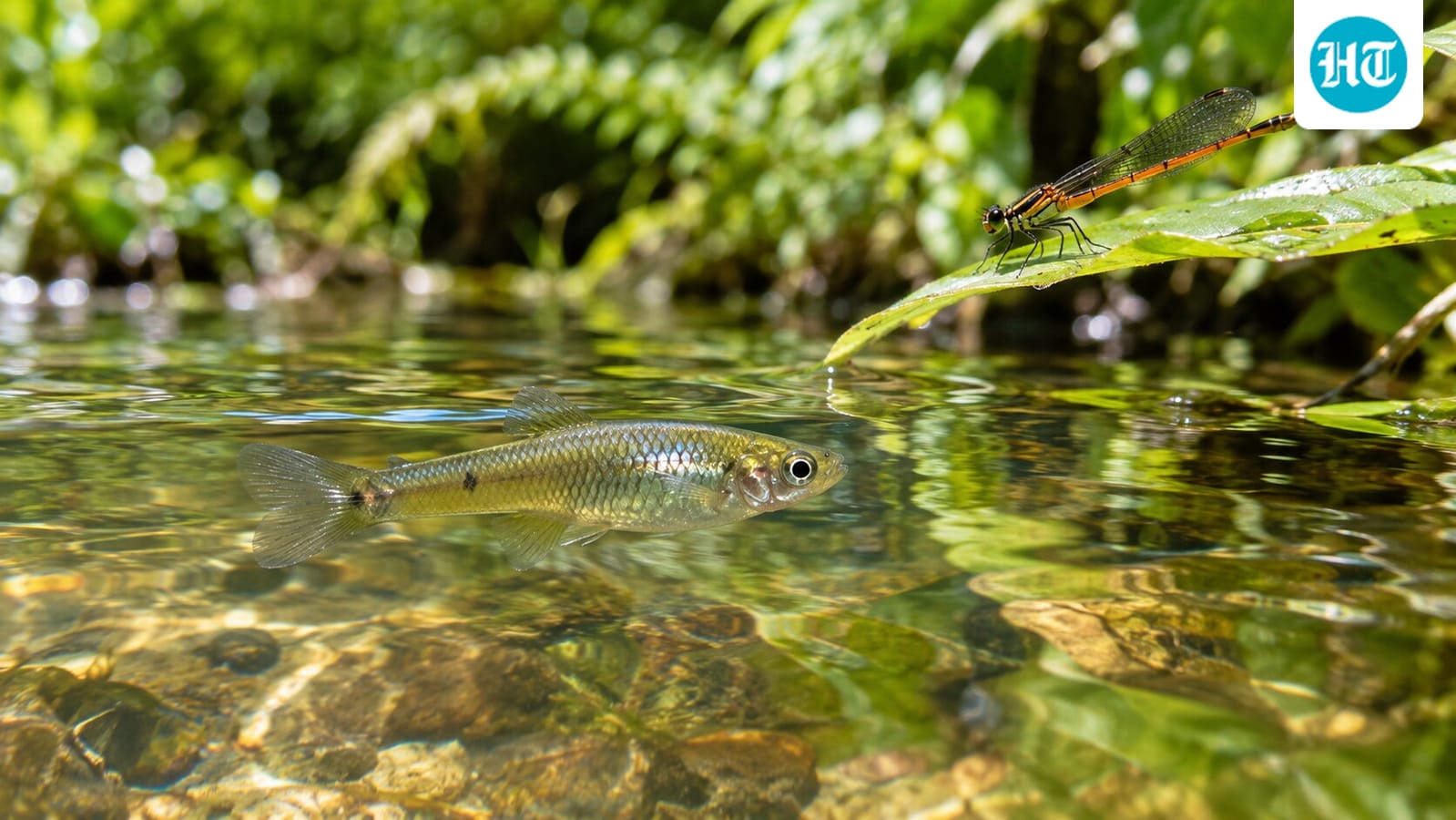
The 1905 introduction of western mosquitofish to Hawaii for mosquito control has had devastating consequences for endemic damselfly populations. This case illustrates the severe ecological risks posed by invasive species and biological control interventions.
The Unintended Consequences of Biological Control in Hawaii
In 1905, in an effort to curb the prevalence of mosquitoes, authorities in Hawaii introduced the western mosquitofish (Gambusia affinis) into the island’s freshwater ecosystems. While the intention was to utilize the fish as a biological control agent to consume mosquito larvae, the long-term ecological ramifications were not fully understood at the time. This decision serves as a classic, if tragic, example of how human intervention in natural systems can lead to unintended and irreversible biodiversity loss.
The Ecological Impact on Native Damselflies
The impact on Hawaii's unique native damselflies was profound and largely unnoticed for decades. A landmark study published in 1999 provided critical evidence that these native insects were conspicuously absent in habitats where the non-native mosquitofish had established populations. The predatory nature of the Gambusia—a species known for its hardiness and aggressive feeding habits—proved to be a significant threat to the damselfly larvae, which share the same aquatic environments.
The Mechanics of Invasive Predation
Western mosquitofish are notoriously prolific and resilient, allowing them to outcompete native species for resources and prey upon them directly. Because Hawaii’s native damselflies evolved in isolation, they lacked the defensive mechanisms necessary to survive the introduction of such an efficient, non-native predator. The 1999 study confirmed that the predation of larvae by these fish is the primary driver behind the decline of specific damselfly species, effectively disrupting the local food web.
Broader Implications of Invasive Species
The introduction of Gambusia affinis highlights the inherent risks of biological control. When a non-native species is introduced to manage a pest, it often lacks natural predators in its new environment, allowing its population to explode. This creates a cascade effect where the introduced species shifts from a 'solution' to an invasive threat, often causing more damage to the native ecosystem than the original pest it was meant to control.
Historical Context and Lessons Learned
Historically, the early 20th century was marked by a lack of rigorous ecological impact assessments, leading to numerous 'acclimatization' projects that introduced foreign species to islands. Today, conservationists view the 1905 mosquito control effort as a cautionary tale. Modern ecological management now demands extensive risk analysis to prevent such catastrophic disruptions to fragile island biomes, which are particularly susceptible to invasive species.
Future Trends in Conservation
Moving forward, the challenge remains in mitigating the damage already done while preventing future mistakes. Restoration efforts in Hawaii now focus on protecting damselfly habitats by excluding non-native fish from specific ponds and streams. As we look to the future, the lessons from the 1905 intervention emphasize the necessity of prioritizing native species preservation over short-term pest management strategies that lack comprehensive environmental foresight.
Verification Required?