Lula vs Bolsonaro in Brazil as Trump keeps a close eye: What we know about the Brazil presidential elections
Source Entity
Latest News: Todays Latest News Headlines from India & World | Hindustan Times | Hindustan Times
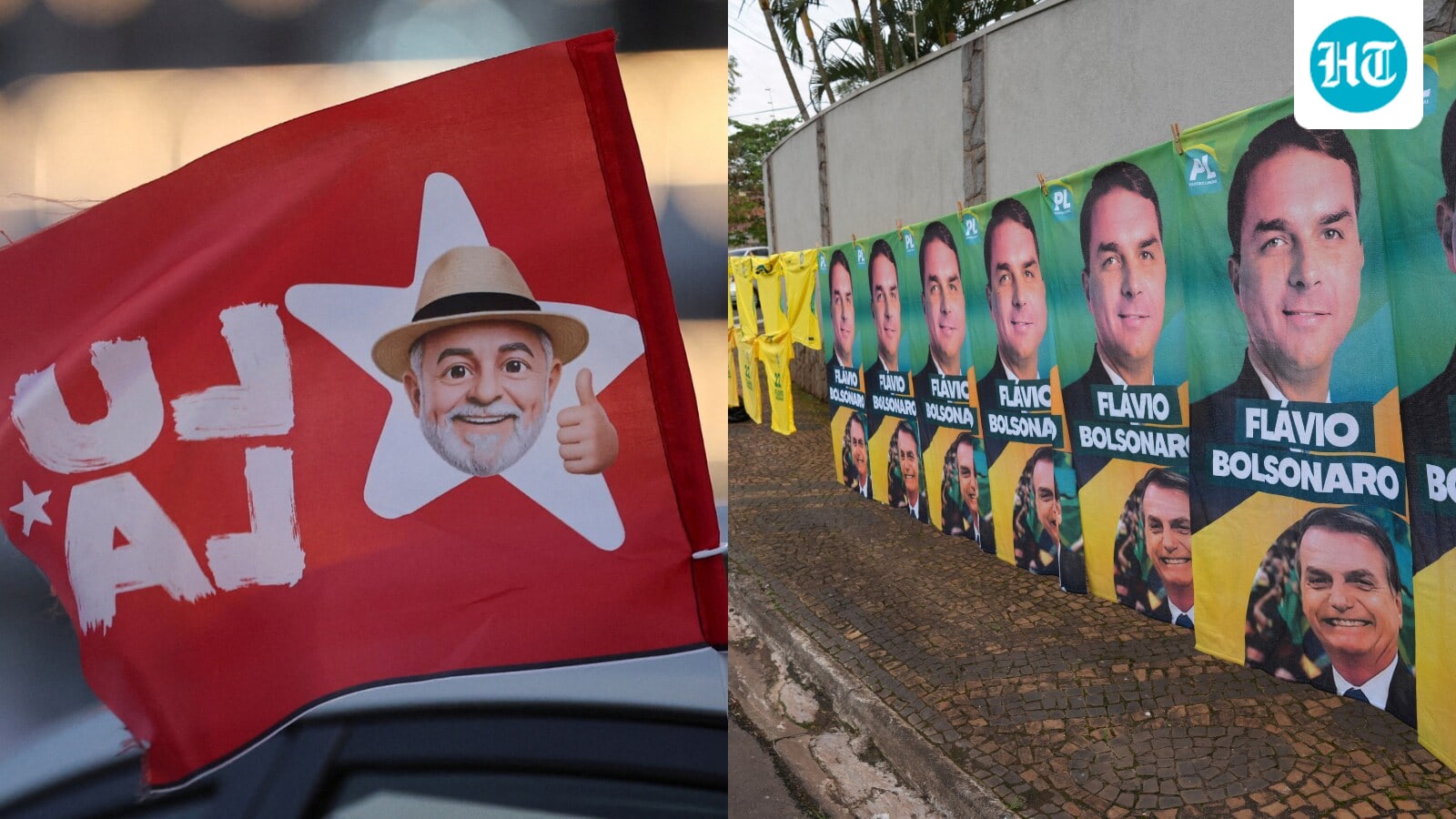
Brazilian President Lula da Silva claims his candidacy is the sole barrier against a resurgence of far-right governance led by Flávio Bolsonaro. As the election approaches, international markets are bracing for divergent outcomes while regional right-wing movements gain momentum.
The High-Stakes Battle for Brazil’s Political Future
As Brazil approaches a pivotal presidential election, the political landscape is defined by a stark ideological clash between incumbent President Luiz Inácio Lula da Silva and his right-wing challenger, Flávio Bolsonaro. President Lula, currently seeking a historic fourth term, has framed his candidacy as a defensive bulwark against what he characterizes as the rise of "fascism." By positioning himself as the only individual capable of preventing the Bolsonaro family from reclaiming executive power, Lula is attempting to consolidate his base and appeal to voters who fear a return to the policies of the previous administration.
The "Barbarism" Narrative and Political Polarization
Lula’s rhetoric, specifically his assertion that the choice is between his leadership and "barbarism," underscores the extreme polarization currently gripping Brazil. During a recent appearance on the podcast Flow, the president emphasized that his presence in the race is a strategic necessity to block the influence of the Bolsonaro lineage. This narrative is designed to mobilize support in key urban centers, as evidenced by his massive campaign march through the streets of Rio de Janeiro, where he sought to project strength and urgency to his supporters ahead of the Sunday vote.
The Regional Context: The Shield of the Americas
Beyond Brazil’s borders, this election is being viewed as a critical test for the "Shield of the Americas," a coalition of 15 Latin American nations currently governed by right or far-right administrations. US President Donald Trump has actively engaged with this bloc, highlighting the success of his endorsed candidates across seven recent regional presidential elections. This international alignment suggests that the outcome in Brazil is not merely a local affair but part of a broader ideological shift within the Western Hemisphere that challenges the traditional left-leaning political structures of the past.
Market Dynamics and Prediction Markets
Wall Street and global financial institutions are closely monitoring the race, with analysts noting significant volatility as the polls tighten. Prediction markets, such as Kalshi, currently favor Flávio Bolsonaro with a 60% probability of victory compared to 39% for Lula. However, these figures are viewed with skepticism by some analysts, such as Richard Lapper of Aurora Macro Strategies, who argue that these markets may not accurately capture the ground-level sentiment of the Brazilian electorate, especially given that such betting is prohibited within the country itself.
Economic Implications of the Election
The financial sector is particularly sensitive to the shifting momentum. Recent trends show that Brazilian stocks have trended upward in correlation with Flávio Bolsonaro’s rising poll numbers over the last few months. This market behavior suggests that investors are pricing in the potential for a shift in economic policy. As the election day approaches, the disconnect between external betting markets and domestic political reality remains a primary concern for international observers attempting to forecast the long-term stability of the region's largest economy.
Conclusion: A Nation at a Crossroads
The upcoming election represents a fundamental choice for Brazil. Whether the electorate chooses to continue with Lula’s established, albeit controversial, leadership or pivots toward the populist surge represented by Flávio Bolsonaro will have lasting consequences. With the "Shield of the Americas" watching closely and financial markets bracing for volatility, the results of this Sunday’s election will likely serve as a bellwether for the future of populist and left-wing movements across the entire Latin American continent.
Multiple Citing Sources
Verification Required?