'Not afraid of death': Co-pilot's chilling admission after trying to crash flydubai jet
Source Entity
PRISHA PATNAIK
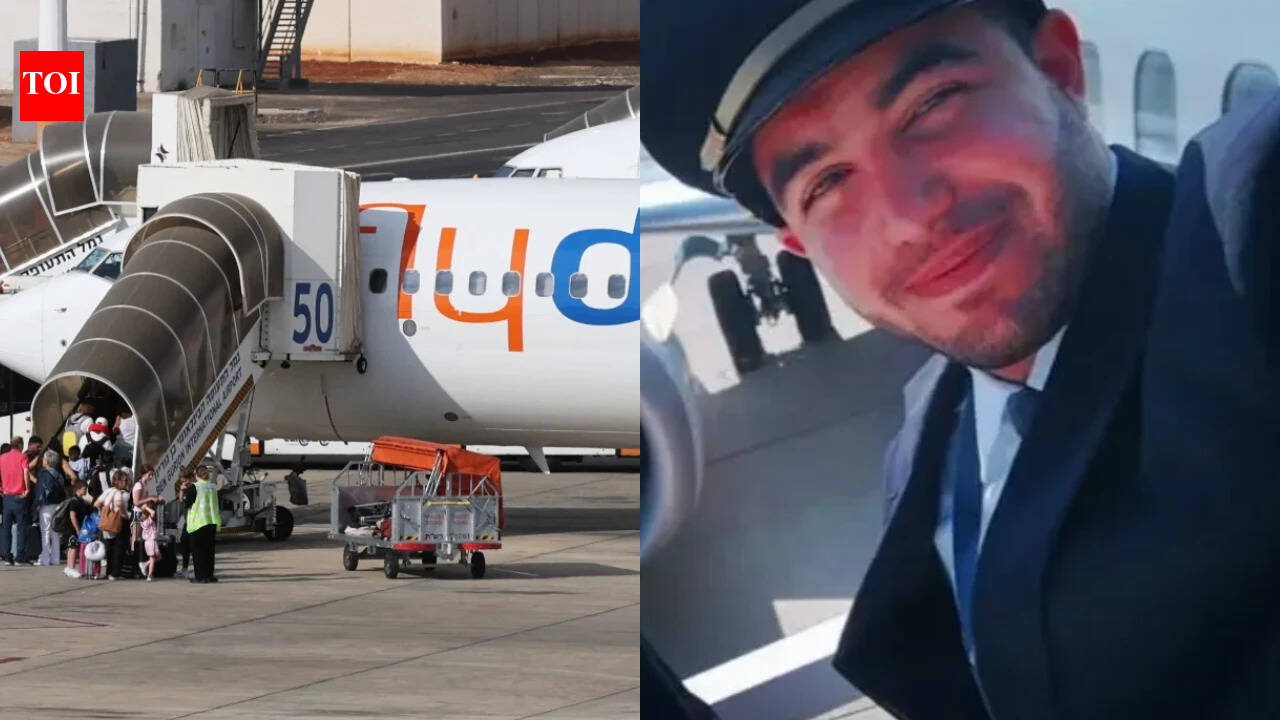
An Omani flydubai co-pilot, Hamam al-Hammami, was restrained by passengers after allegedly attacking a pilot with a crash axe during a flight to Tel Aviv. Australian authorities are now investigating the suspect's potential links to their country as the UAE conducts a formal probe.
Mid-Air Crisis: The Restraint of Hamam al-Hammami
A terrifying security breach occurred aboard a flydubai flight en route to Tel Aviv, when the co-pilot, identified as Hamam al-Hammami, allegedly launched a violent attack against a colleague. According to reports, al-Hammami utilized a crash axe to assault pilot Smit Machchhar, creating an immediate life-or-death scenario for everyone on board. The situation was neutralized only through the swift intervention of passengers, including two off-duty pilots who managed to overpower the assailant and secure him using earphones as improvised restraints.
The Confrontation and Crew Response
Following the physical restraint of the co-pilot, a tense standoff reportedly ensued between the passengers and the remaining flight crew. Video footage and witness accounts indicate that the cabin crew demanded the immediate release of al-Hammami, referring to him as a 'terrorist' in some reports while urging passengers to untie him. The passengers, however, maintained a firm stance, refusing to release the suspect to anyone other than law enforcement officials, citing the severity of the alleged attack and the necessity of preserving the safety of the aircraft.
International Security Implications
This incident has transcended regional borders, triggering an investigation by Australian authorities. The Australian Federal Police (AFP) and state police are currently scrutinizing the suspect’s potential ties to Australia. While the motive remains the subject of a formal probe by UAE prosecutors, the involvement of international security agencies highlights the global concern surrounding aviation safety and the potential for radicalization or mental health crises manifesting within cockpit environments.
Aviation Safety and Protocol
This event raises critical questions regarding cockpit security protocols and the vulnerability of flight crews to internal threats. The fact that passengers—specifically off-duty pilots—had to intervene suggests a failure in the standard operational barriers designed to protect the flight deck. The use of a crash axe as a weapon emphasizes the need for airlines to re-evaluate the accessibility of emergency equipment that could be weaponized by personnel with malicious intent.
Broader Geopolitical Context
Given the flight's destination of Tel Aviv, the incident has naturally drawn intense scrutiny from international media and security analysts. The intersection of a violent mid-air altercation with potential transnational links—specifically the Australian investigation—suggests a complex background that authorities are working to unravel. The UAE prosecutor's office continues to lead the primary investigation into the motives behind this attempted takeover.
Looking Ahead: Future Trends
Moving forward, the aviation industry will likely face increased pressure to implement more rigorous psychological screenings for flight personnel and to enhance cockpit security measures. As investigations continue, the cooperation between the UAE, Australia, and other relevant nations will be paramount in determining whether this was an isolated event or part of a larger, systemic security risk. The focus will remain on the legal proceedings in the UAE and the potential findings from the Australian security agencies.