Yami Gautam urges no alteration or enhancement of her photos using AI: ‘Should not be done’
Source Entity
Latest News: Todays Latest News Headlines from India & World | Hindustan Times | Hindustan Times
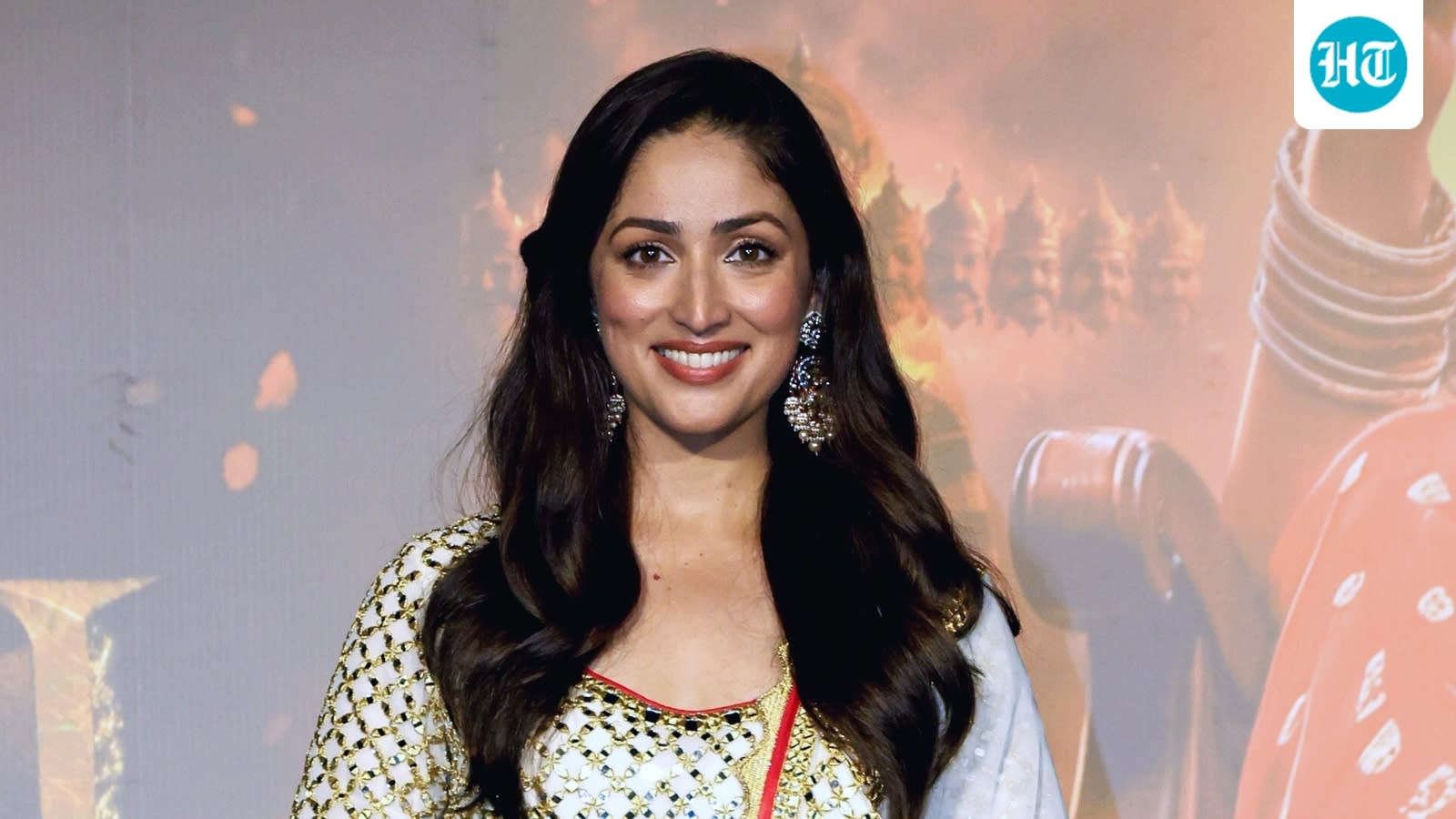
Actor Yami Gautam has publicly requested that the media stop using AI to alter or enhance her photographs from public appearances. Her plea highlights growing industry concerns regarding unauthorized digital manipulation and the importance of consent in celebrity imagery.
The Ethics of Digital Representation: Yami Gautam's AI Stance
A Call for Authenticity
National Award-winning actor Yami Gautam has issued a firm public request to media outlets, urging them to cease the use of Artificial Intelligence to alter or enhance her photographs taken at public events. By explicitly asking for her images to be published in their original, unedited form, Gautam is drawing a clear line in the digital sand. Her statement emphasizes that the manipulation of an individual’s likeness—without their explicit knowledge or consent—is a violation of personal agency that should not be normalized in modern journalism.
The Growing Shadow of AI Manipulation
This request arrives at a critical juncture in the entertainment industry, where the lines between authentic photography and AI-generated content are increasingly blurred. Gautam’s intervention is not an isolated incident but part of a broader, systemic anxiety regarding how generative tools are being used to reshape reality. As AI technology becomes more accessible, the ease with which public figures' images can be edited or transformed has created a landscape where consent is frequently bypassed for the sake of aesthetic perfection or sensationalism.
Legal and Ethical Precedents
The urgency of Gautam's appeal is underscored by recent legal developments in the Indian film industry. Just last week, the Bombay High Court intervened to order the removal of objectionable AI-generated content featuring actor Samantha Ruth Prabhu. This legal precedent highlights the escalating severity of the issue, moving from mere annoyance to a matter of intellectual property rights and personal dignity. The courts are beginning to recognize that unauthorized digital likeness manipulation is a significant legal grievance, not just a social concern.
The Erosion of Public Trust
Beyond the individual impact on actors like Gautam and Prabhu, the widespread use of AI to 'enhance' celebrity photos threatens the integrity of media reporting. When news outlets rely on AI to alter the appearance of public figures, they erode the foundational trust between the media and the public. By presenting an 'enhanced' version of reality, the media risks distorting public perception and setting unattainable standards of beauty, while simultaneously stripping subjects of their right to control their own visual narrative.
Future Trends and Industry Standards
As we look forward, it is highly probable that we will see more celebrities adopting similar policies, potentially leading to stricter industry guidelines regarding the digital processing of images. The demand for 'originality' as a form of digital integrity will likely become a standard clause in talent contracts. The entertainment sector is currently in a transition period where the ethical application of AI will be defined by the collective pushback from those whose likenesses are being commodified by these emerging technologies.
Conclusion
Yami Gautam’s request serves as a necessary wake-up call for the media industry. By advocating for the preservation of original content, she is not merely protecting her own image, but is also contributing to a necessary conversation about the ethics of technology. As AI continues to evolve, the principles of consent, transparency, and authenticity must remain at the forefront of digital media practices to ensure that technological progress does not come at the cost of personal rights.
Verification Required?