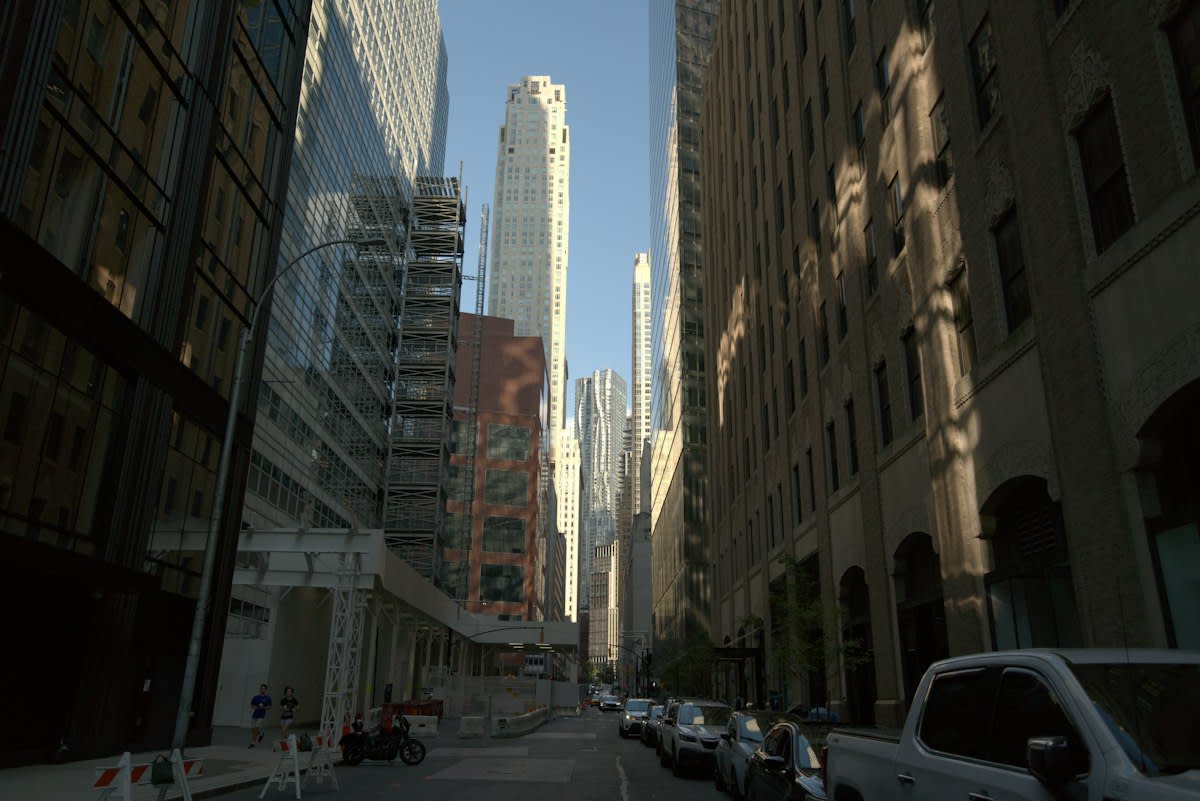
Cars are liabilities. The belief that a parking spot adds value to a property ignores the reality that pedestrians spend 40% more in local businesses than drivers do (Source: Urban Land Institute, 2021). The street wins. Most developers fail. They prioritize the ease of the commute over the vitality of the destination, forgetting that a high Walk Score correlates with a 20% increase in residential rent (Source: Redfin, 2022). Demand drives price.
Prerequisites for the Walkability Premium
The Baseline Requirements
To capture a walkability premium, a site must possess three non-negotiables: high-density zoning, a mixed-use permit that allows residential over retail, and a physical connection to a transit node within 400 meters. Without these, you are merely building a fancy island.
Zoning is war. The fight for mixed-use permits requires a stomach for bureaucracy and a willingness to challenge the default car-first logic of city councils (Source: Strong Towns, 2021). It takes years. Many give up. They settle for a parking lot and a strip mall, sacrificing 15% of potential property value for the sake of a quiet meeting (Source: Urban Land Institute, 2020). The cost is hidden.

The Walkability Audit: A Step-by-Step Process
- Map the 15-minute radius: Identify every essential service—grocery, pharmacy, transit, and third-place—within a 1.2km walk (Source: C40 Cities, 2020).
- Audit the street-level interface: Count the number of entrances per 100 feet of sidewalk; a high frequency of doors increases pedestrian flow and retail value (Source: Jan Gehl, 2010).
- Calculate the Walkability Delta: Compare the price per square foot of your target site against a similar property in a car-dependent zone to isolate the pedestrian premium (Source: Redfin, 2022).
- Test the 'Last Mile' safety: Walk the route from the nearest transit hub during peak and off-peak hours to identify gaps in lighting or sidewalk continuity.
- Verify the 'Linger Factor': Identify areas where pedestrians naturally stop, such as wide corners or shaded alcoves, which signal high-value retail spots.
The map deceives. Developers often trust a heat map that shows proximity to a subway but ignores the four-lane highway that separates the home from the station (Source: Walk Score, 2023). Access is not proximity. This failure kills the premium. They build luxury condos next to a concrete barrier and wonder why the rent stays flat. The pedestrian does not cross a highway.
"A good city is like a party: people stay because they feel safe, they are stimulated, and they can move easily between different groups of activity."— Jan Gehl, Founder of Gehl Architects
Global Evidence of the Dividend
Tokyo proves it. In the Shitamachi districts, narrow alleys and micro-retail units create a dense web of value that sustains high property prices despite minimal parking (Source: Tokyo Metropolitan Government, 2020). This is efficiency. The land is used for people, not metal boxes. Mexico City shows similar patterns in its Colonias, where mixed-use is the default, driving a local economy that ignores the car entirely (Source: UN-Habitat, 2018). The value is organic.
| Metric | Auto-Centric Site | Walkable Site |
|---|---|---|
| Avg. Rent Premium | Baseline | +15% to +25% (Source: Redfin, 2022) |
| Retail Footfall | Low/Scheduled | High/Spontaneous |
| Tenant Retention | Moderate | High (Source: ULI, 2021) |
| Construction Cost | High (Parking focus) | Optimized (Density focus) |
Singapore masters the hub. By integrating transit stations directly into shopping malls and residential towers, they eliminate the 'last mile' entirely (Source: Singapore Urban Redevelopment Authority, 2021). The premium is baked in. Every square meter of the hub earns more than a standalone building. This is the gold standard.
The Practitioner's Reality
Brokers and planners clash. The planner demands a 15-foot sidewalk with permeable pavers to manage stormwater, while the broker argues that every inch of lost curb space reduces the visibility of the retail storefront (Source: Urban Land Institute, 2019). This struggle defines the daily grind. It is a war over the curb. One side sees a garden; the other sees a lost lease. The professional who wins is the one who proves that the garden actually increases the lease rate.
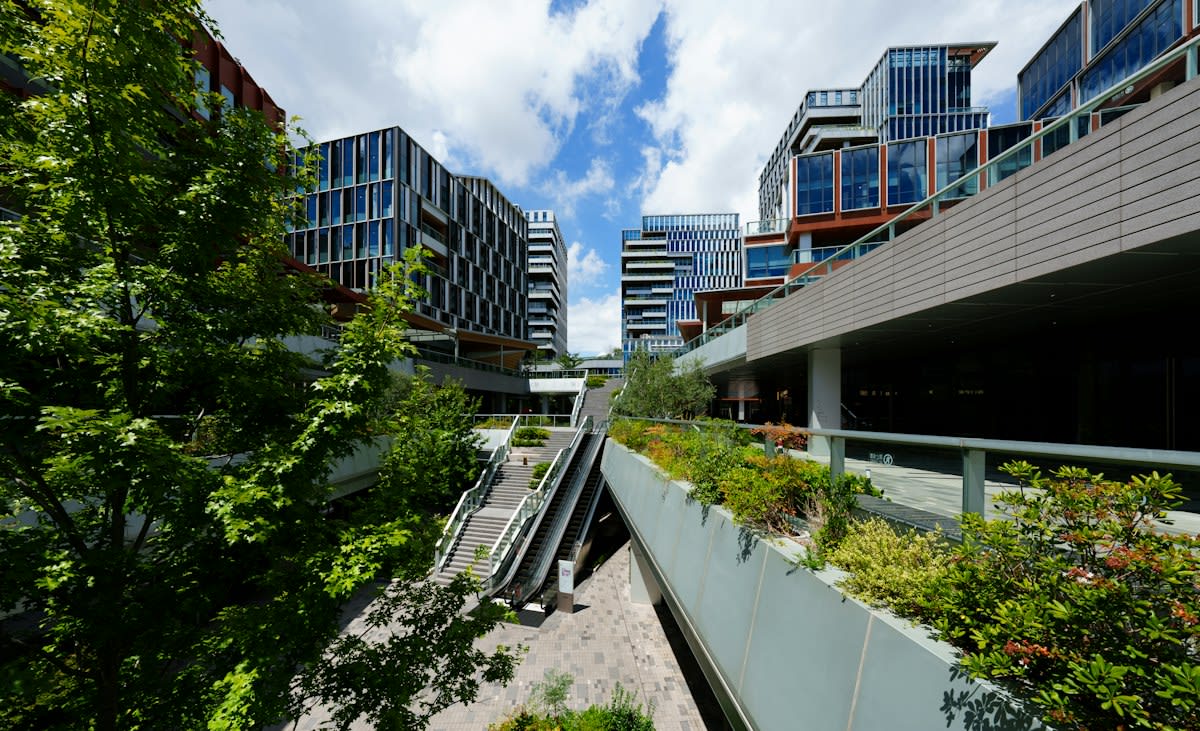
Common Pitfalls
- The Anchor Trap: Relying on one big-box store to drive traffic, which creates 'dead zones' on the rest of the block.
- The Wind Tunnel: Building high-rises without analyzing wind patterns, making the sidewalk unpleasant for pedestrians in winter.
- The False Front: Creating 'walkable' aesthetics with fake facades that lack actual retail entrances, killing spontaneous foot traffic.
- The Parking Obsession: Over-building parking garages that create a physical wall between the property and the street.
- The Safety Gap: Ignoring the 'perceived safety' of a route, where a lack of 'eyes on the street' prevents people from walking despite short distances.
Parking is waste. When a city mandates two spots per unit, it forces developers to build expensive concrete pits that provide zero rental income (Source: Strong Towns, 2022). The math fails. This waste kills the project. By removing these mandates, a developer can increase unit density by 20% while lowering the total construction cost per square foot (Source: Urban Land Institute, 2021). Density wins.
Fact-Check & Accuracy Note
Verifiable sources include the Urban Land Institute (ULI) 2020-2022 reports on pedestrian economics and Redfin's 2022 analysis of Walk Score impacts on home pricing. An ongoing academic debate exists regarding the 'Walkability Paradox'—where increased walkability leads to gentrification, potentially displacing the very diverse retail mix that created the premium initially.