10 years of surgical strikes: The night India hit back after Uri attack
Source Entity
DHRUV YADAV
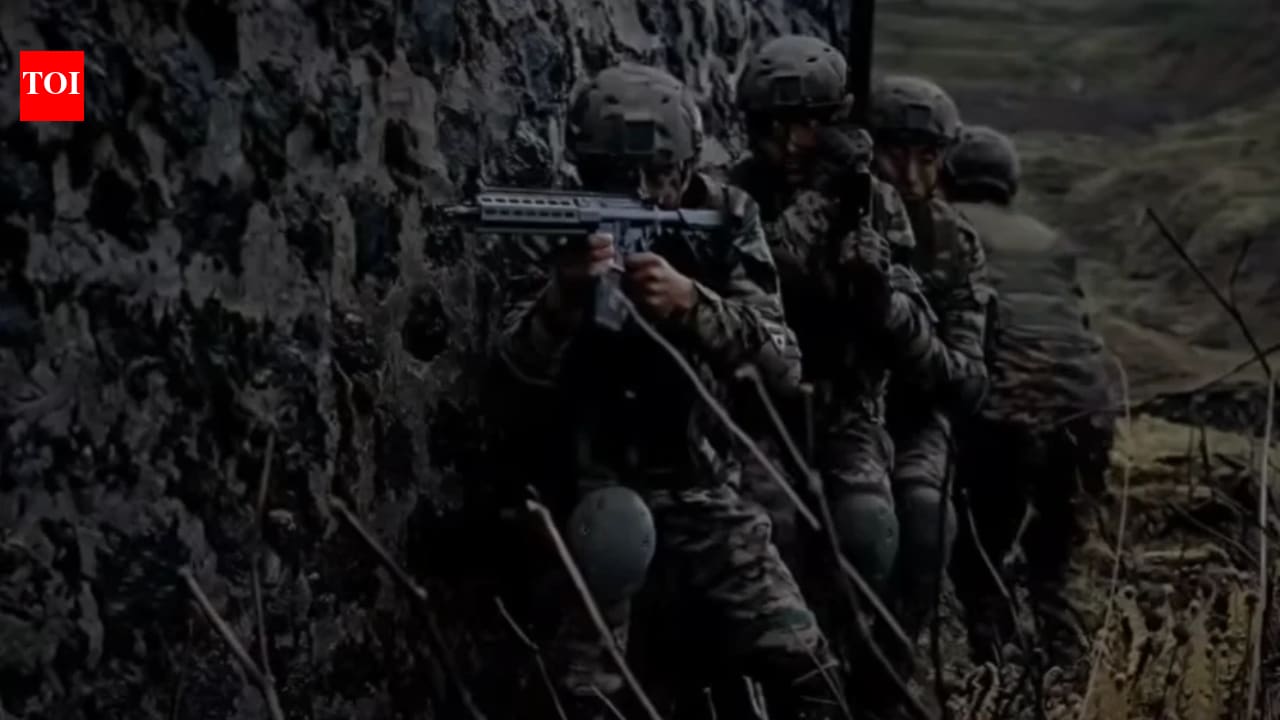
India is marking a decade since the 2016 surgical strikes, a pivotal counter-terrorism operation launched in response to the Uri terror attack. The mission signaled a strategic shift toward proactive cross-border retaliation, influencing subsequent military actions like the Balakot air strikes.
A Decade of Strategic Shift: The 2016 Surgical Strikes
September 29, 2026, marks the tenth anniversary of the surgical strikes conducted by the Indian Army across the Line of Control (LoC). This operation, executed in the wake of the devastating September 18, 2016, terror attack on an army base in Uri that resulted in the loss of 19 soldiers, represents a definitive turning point in India’s national security doctrine. It effectively ended a long-standing policy of strategic restraint, establishing a new precedent where India would actively dismantle terror infrastructure beyond its borders.
The Path to Retaliation
The year 2016 was characterized by a series of provocations, including the assault on the Pathankot air base and the incident at the EDI building. Following the Uri attack, the Indian government moved from a phase of intense deliberation to decisive action. As noted by Lt Gen Satish Dua (retd), the proposal to "take the fight to the enemy" was approved by then-Defence Minister Manohar Parrikar. This period of planning—spanning September 20 to 28—involved high-level coordination between Prime Minister Narendra Modi, the Defence Minister, and National Security Adviser Ajit Doval.
Execution and Tactical Success
The operation was marked by precision and intelligence-led planning. Based on "specific and credible inputs" regarding the location of terrorist teams at launch pads along the LoC, the Indian Army successfully neutralized targets without suffering any casualties from enemy fire. The official announcement, delivered by then-Director General of Military Operations (DGMO) Lt Gen Ranbir Singh on the morning of September 29, confirmed that the strikes had achieved their objective of dismantling launch pads intended for infiltration.
A New Doctrine of Deterrence
Beyond the immediate tactical success, the 2016 strikes fundamentally altered the regional security calculus. By demonstrating the capability and political will to cross the LoC to neutralize threats, India signaled that it would no longer remain passive in the face of cross-border terrorism. This shift provided the framework for future operations, including the Balakot air strikes and Operation Sindoor, illustrating a consistent move toward proactive defense.
Long-term Implications and Legacy
A decade later, the surgical strikes remain a cornerstone of India’s modern military posture. The operation proved that the Indian Armed Forces could execute complex, high-risk missions with surgical precision and return unharmed, significantly boosting national morale and international recognition of India’s resolve. The legacy of 2016 is not merely the destruction of specific launch pads, but the institutionalization of a zero-tolerance policy against terrorism that continues to define India’s foreign and defense policy today.
Conclusion
The surgical strikes of 2016 serve as a testament to the evolution of India's counter-terrorism strategy. From the initial shock of the Uri attack to the calculated response across the LoC, the events of that decade-old night fundamentally reshaped the geopolitical landscape. As India reflects on these ten years, the strikes stand as a symbol of the nation's commitment to protecting its sovereignty and ensuring that acts of terror against its soldiers do not go unpunished.
Multiple Citing Sources