Stand, greet, listen: How Maharashtra wants its MLAs, MPs to be treated
Source Entity
The Indian Express
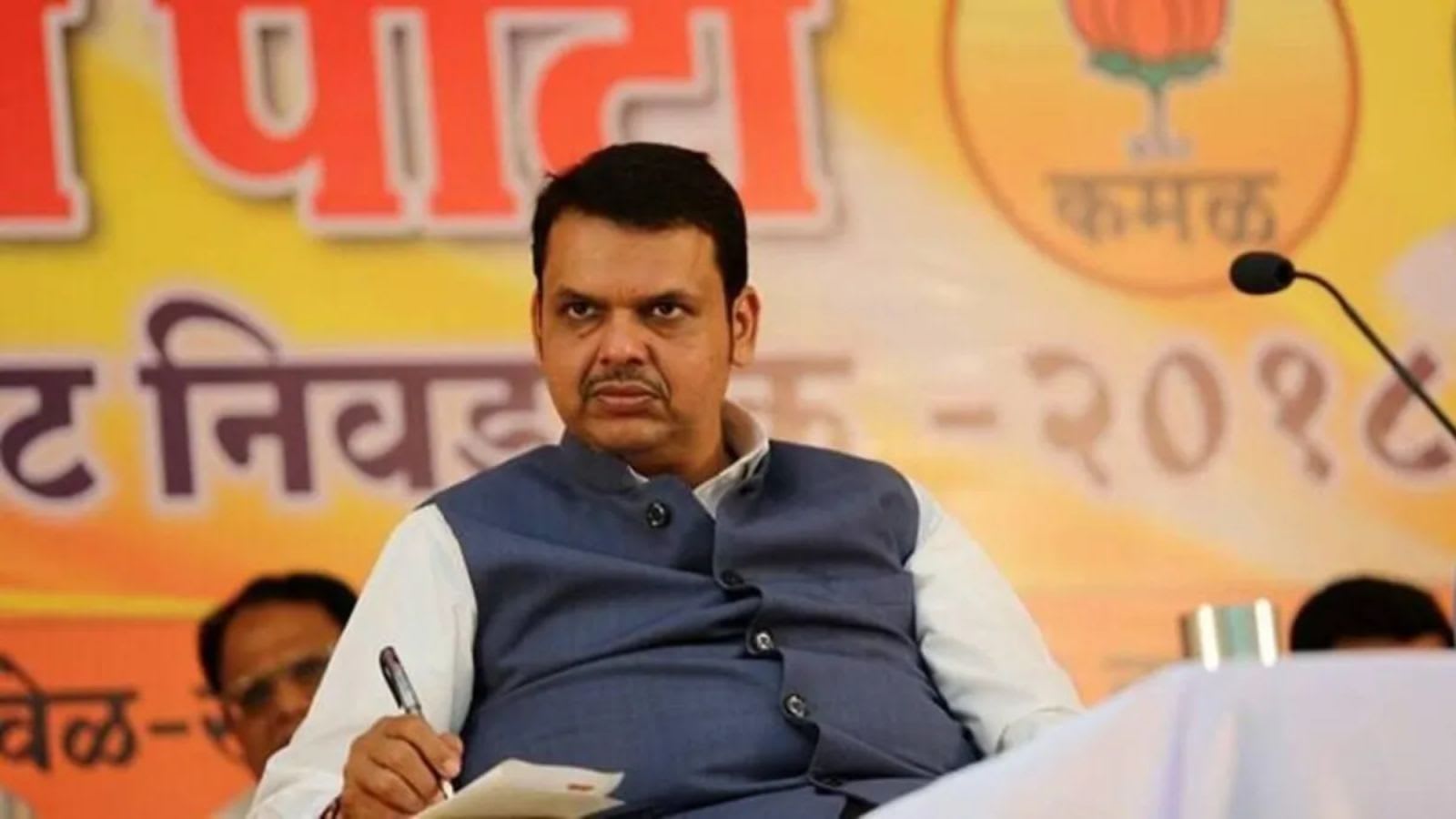
The Maharashtra government has issued strict protocols requiring officials to meet with MLAs and MPs on designated Thursdays and respond to their correspondence within two months. These directives follow concerns from the Legislative Assembly Committee on Privileges regarding the previous neglect of these official procedures.
Strengthening Administrative Accountability in Maharashtra
The Maharashtra government has recently issued a formal directive to all state departments, mandating a structured approach to interactions between civil servants and elected representatives. By designating the first and third Thursday of every month as dedicated time slots for meetings with MLAs and MPs, the state aims to bridge the communication gap that often hampers local governance. This move is not merely a formality but a strategic attempt to ensure that the legislative oversight process remains robust and responsive to the needs of the constituencies these representatives serve.
Addressing the Privileges Committee Concerns
This administrative overhaul was prompted by the Legislative Assembly Committee on Privileges, which had previously expressed significant dissatisfaction regarding the poor implementation of existing protocols. In the Indian parliamentary system, the Committee on Privileges is a crucial body tasked with safeguarding the rights and dignity of elected members. The fact that this committee had to intervene highlights a systemic failure where bureaucratic apathy had begun to undermine the authority of the legislature. By issuing these new directives, the executive branch is effectively acknowledging that adherence to protocol is essential for the healthy functioning of a democracy.
Standardizing Communication and Response Times
One of the most critical aspects of the new mandate is the requirement for government officials to respond to official correspondence from MLAs and MPs within a two-month timeframe. In the past, delayed responses or administrative silence often led to legislative frustration, as representatives were unable to update their constituents on the status of pending local projects or grievances. By establishing a clear, time-bound expectation, the government is fostering a culture of accountability, ensuring that the feedback loop between the legislative and executive arms of the state remains functional.
Protocol and the Question of Dignity
Beyond mere administrative efficiency, the directive explicitly outlines how officials should treat elected representatives, including those who have been convicted in legal cases. This specific inclusion reflects the complexities of the legal and political landscape in India, where the distinction between a representative's legal standing and their constitutional role as an elected official must be managed carefully. The guidelines emphasize that while legal proceedings remain separate, the office of the MLA or MP commands a level of institutional respect that must be upheld to maintain the decorum of the state apparatus.
Broader Implications for Governance
These directives signal a broader trend of tightening administrative discipline within Maharashtra. By formalizing these interactions, the government is attempting to reduce friction between the bureaucracy and the political class, which is often a source of governance gridlock. If successful, this standardized approach could serve as a template for other states looking to improve the relationship between civil servants and their elected counterparts. Ultimately, the goal is to create a more transparent and accessible government where the voices of the people, channeled through their representatives, are met with professional and timely action.