16 Bangladeshi workers killed in Saudi Arabia's Riyadh sofa factory blaze
Source Entity
TOI WORLD DESK
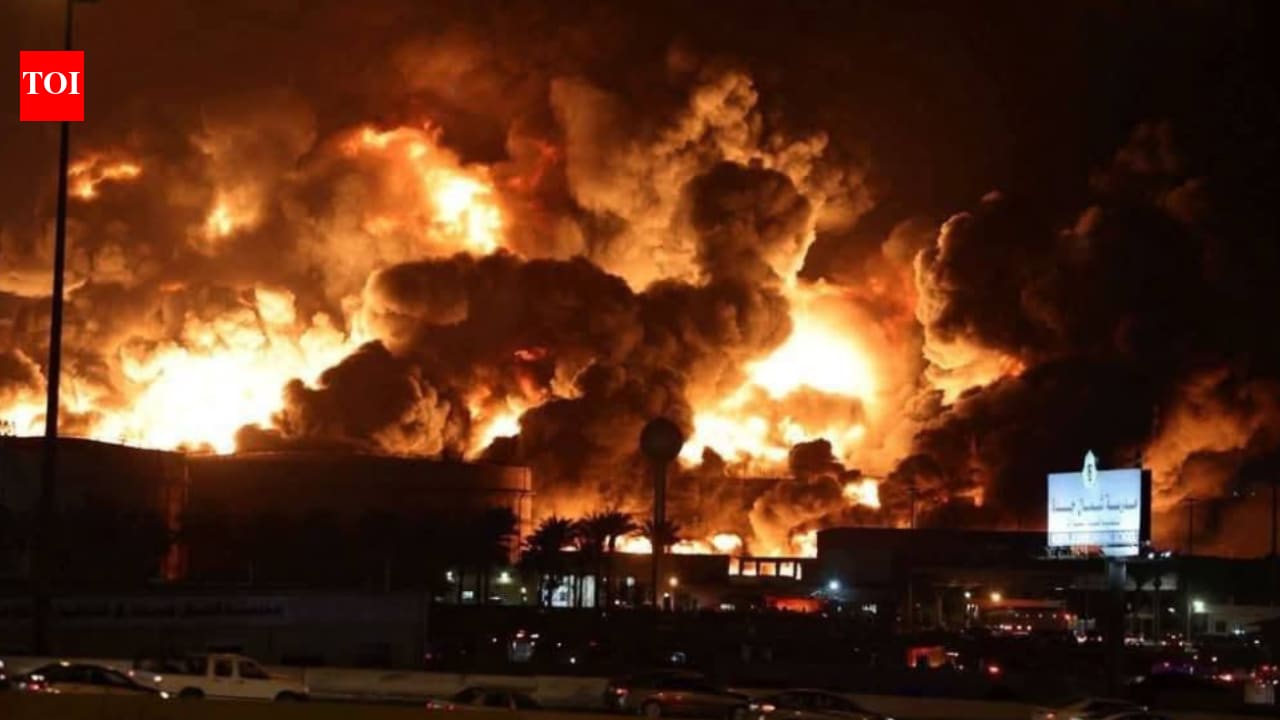
A devastating fire at a sofa factory in Riyadh, Saudi Arabia, has resulted in the deaths of 16 Bangladeshi migrant workers. The Bangladeshi government has pledged support to the victims' families as they mourn this tragic loss.
Tragedy in Riyadh: Factory Fire Claims 16 Lives
A tragic industrial incident occurred this past Sunday in the Musa Sanaiya area of Riyadh, Saudi Arabia, where a massive fire engulfed a sofa factory. The blaze resulted in the confirmed deaths of 16 Bangladeshi nationals. This catastrophic event has prompted an immediate response from the Bangladeshi Ministry of Foreign Affairs, which officially confirmed the fatalities on Monday and extended its deepest condolences to the families of those lost in the disaster.
The Impact on the Bangladeshi Diaspora
This incident highlights the precarious conditions often faced by the massive Bangladeshi migrant workforce abroad. With approximately seven million Bangladeshi citizens working overseas, the Middle East serves as the primary hub for this demographic. These workers are vital to the national economy, as their remittances are a cornerstone of Bangladesh's financial stability. However, the concentration of laborers in high-risk industrial environments, such as factories and construction sites, remains a significant concern for labor advocates and government officials alike.
Industrial Safety and Migrant Vulnerability
The location of the tragedy, the Musa Sanaiya industrial district, is typical of areas where migrant workers are frequently employed in labor-intensive roles. Sofa manufacturing involves highly flammable materials, including foam, textiles, and adhesives, which likely contributed to the rapid spread of the fire. This incident raises urgent questions regarding the oversight of workplace safety regulations in industrial zones and whether foreign workers are receiving adequate protection and safety training in their host countries.
Government Response and Diplomatic Obligations
In the wake of the news, the Bangladeshi government has moved to assure the families of the victims of its full solidarity and support. The Ministry of Foreign Affairs has signaled that the state will play an active role in managing the aftermath, likely involving the repatriation of remains and potential negotiations regarding compensation for the affected families. Such interventions are critical in managing the diplomatic relationship between Bangladesh and Saudi Arabia, ensuring that the rights of migrant workers remain a priority.
Future Trends and Safety Implications
Looking ahead, this tragedy will likely serve as a catalyst for renewed discussions regarding safety standards for migrant laborers across the Gulf Cooperation Council (GCC) countries. As nations like Saudi Arabia continue to modernize their economies, the demand for foreign labor remains high. It is imperative that these industrial transitions are accompanied by rigorous fire safety audits and strictly enforced labor laws to prevent similar catastrophes in the future. The international community will be watching to see how authorities conduct the investigation into the factory's safety compliance.