The 2008 economic crisis changed the US's relationship with energy
Source Entity
John Timmer
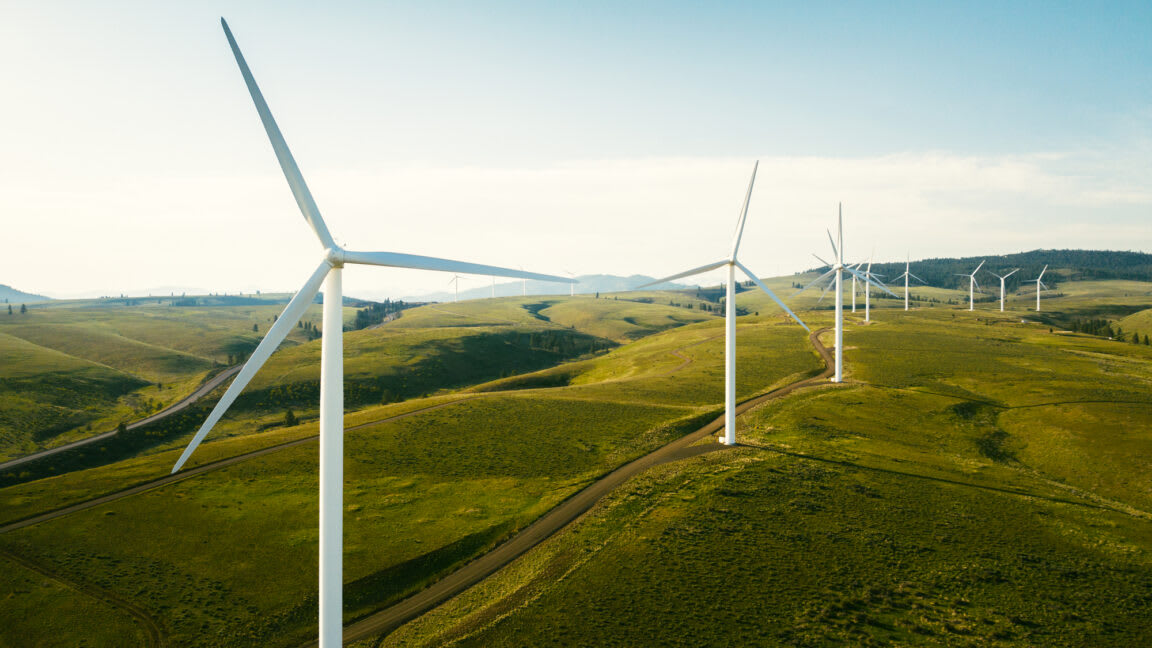
The 2008 economic crisis marked a pivotal shift as the U.S. began to decouple GDP growth from rising carbon emissions. This transition highlights a move toward sustainable energy sources to mitigate the long-term costs of climate-related disruptions.
The Great Decoupling: Redefining Economic Growth
The 2008 economic crisis served as an unexpected catalyst for a fundamental shift in the United States' relationship with energy consumption. While historical economic models relied on the assumption that industrial expansion necessitated a linear increase in carbon emissions, the post-2008 landscape revealed a new reality: the decoupling of GDP growth from carbon output. This transition marks a critical departure from the traditional fossil-fuel-dependent growth trajectory that defined the 20th century.
Challenging the Fossil Fuel Paradigm
For decades, the prevailing argument posited that fossil fuels were the indispensable engines of prosperity. While it is undeniable that these energy sources facilitated rapid industrialization and improved standards of living, this perspective is increasingly viewed as myopic. The reliance on carbon-intensive energy has incurred severe environmental liabilities, manifesting today as extreme weather events, infrastructure damage, and unpredictable economic disruptions that threaten long-term stability.
The Hidden Costs of Historical Growth
The economic growth of the past century carries a "carbon debt" that current and future generations are now beginning to service. With phenomena such as sea-level rise projected to persist for centuries—even if global net-zero targets are achieved—the true cost of historical energy consumption is difficult to quantify. These long-term damages represent a significant fiscal risk, suggesting that the "cheap" energy of the past was, in reality, heavily subsidized by future environmental stability.
Technological Shifts and Economic Resilience
We are currently witnessing a transition toward superior, lower-impact energy alternatives. This shift is not merely an environmental imperative but an economic one. By investing in renewable technologies, the U.S. is moving toward a model where economic growth can be sustained without the compounding liabilities of carbon emissions. This evolution suggests that the future of the economy will be defined by energy efficiency and the mitigation of climate-related risks.
Looking Toward a Sustainable Future
As the U.S. continues to refine its energy strategy, the lessons learned from the post-2008 era remain foundational. The ability to grow an economy while reducing environmental impact is the defining challenge of our time. By prioritizing sustainable energy, policymakers and industries are working to ensure that economic prosperity does not come at the expense of the habitability of our planet, ultimately moving away from the unsustainable carbon debt model of the past.