When will El Nino hit Texas? November and December winter weather forecast for Dallas-Fort Worth
Source Entity
Latest News: Todays Latest News Headlines from India & World | Hindustan Times | Hindustan Times
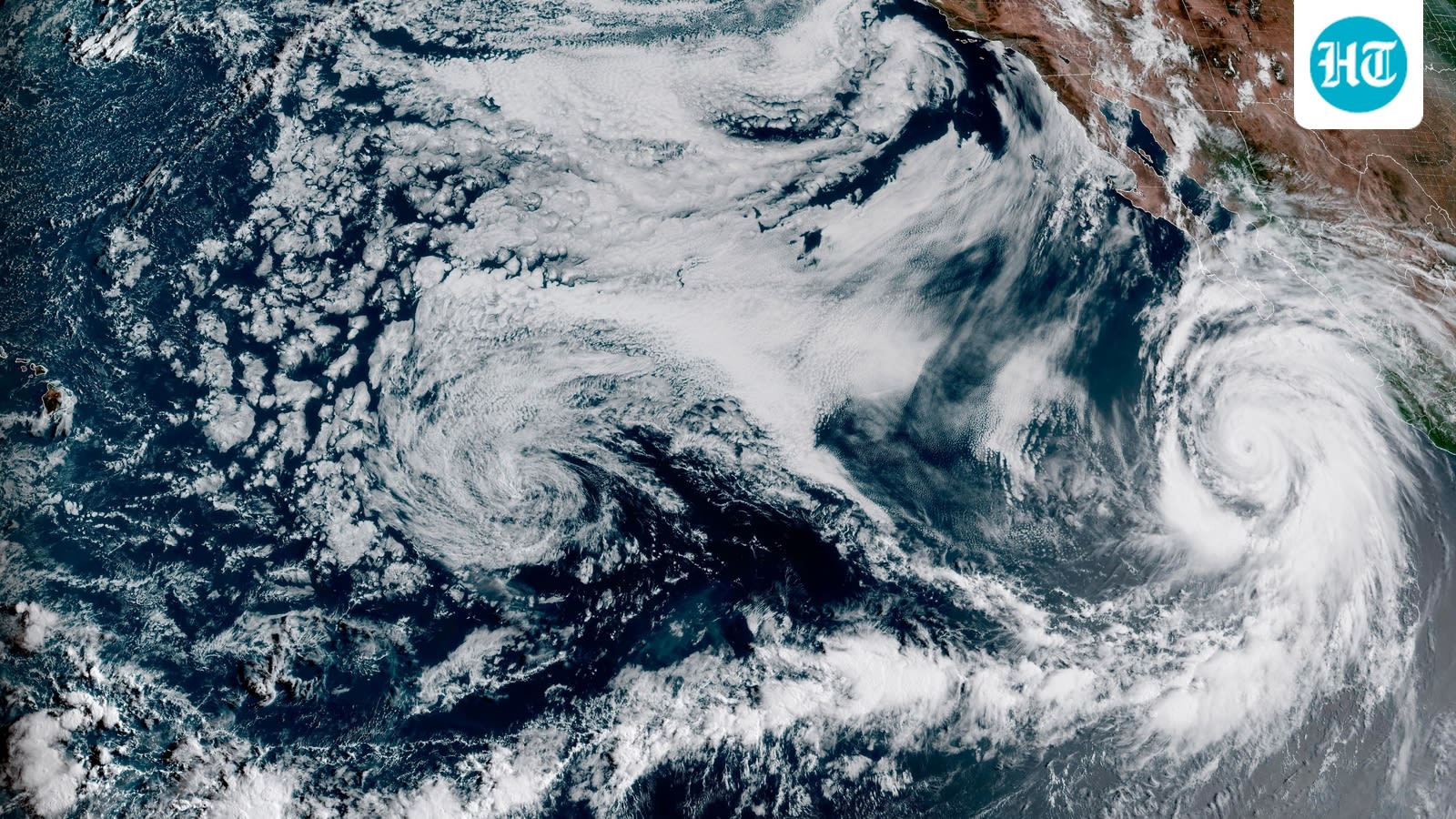
The 2026 El Nino is projected to be the strongest on record, likely ending a severe 63-day dry spell in North Texas. This weather pattern is expected to bring significant winter rainfall to the Dallas-Fort Worth region.
The Return of Precipitation: 2026 El Nino Forecast
North Texas is currently navigating a period of significant meteorological stress, characterized by a prolonged dry spell that has left the Dallas-Fort Worth region without measurable rainfall for 63 consecutive days. This extended period of arid conditions has heightened concerns regarding water conservation and agricultural health across the state. However, recent meteorological data indicates a substantial shift in the regional climate outlook as the 2026 El Nino event gains momentum.
Understanding the 2026 El Nino Phenomenon
According to the latest updates from the Climate Prediction Center, the current El Nino event has a greater than 90% probability of manifesting as an exceptionally strong weather pattern. Scientists monitoring Pacific Ocean temperatures have categorized this specific event as the strongest on record. El Nino, characterized by the warming of surface waters in the central and eastern Pacific, historically acts as a catalyst for shifting jet streams, which directly influence weather patterns across the southern United States.
Impact on North Texas Weather Patterns
For residents of North Texas, the primary implication of this record-breaking atmospheric shift is the anticipation of a wetter winter season. The strengthening El Nino is expected to redirect storm tracks toward the southern U.S., providing a much-needed reprieve from the current drought-like conditions. Meteorologists are closely tracking the transition as the region prepares to move from its recent 63-day dry stretch into a period of increased precipitation during the months of November and December.
Regional Implications and Water Management
The arrival of this weather system is critical for local ecosystems and municipal water supplies. After weeks of limited moisture, the soil and reservoirs in the Dallas-Fort Worth area are primed for replenishment. The anticipated rainfall represents a significant environmental pivot, potentially mitigating the long-term effects of the recent dry spell. Experts are monitoring the intensity of this El Nino to determine the exact duration and volume of the expected winter precipitation.
Future Outlook and Conclusion
While the 2026 El Nino promises to alleviate current water deficits, the extreme nature of this record-breaking event highlights the increasing volatility of global weather systems. As the southern U.S. prepares for a wetter winter, local authorities and residents must remain informed by ongoing reports from the Climate Prediction Center. The transition to a wetter climate cycle serves as a reminder of the profound impact that Pacific Ocean temperatures have on inland weather stability, marking a significant meteorological turning point for Texas as it heads into the final months of the year.
Verification Required?