With PRIMA, NASA will try to build a billion-dollar space telescope in record time
Source Entity
Stephen Clark
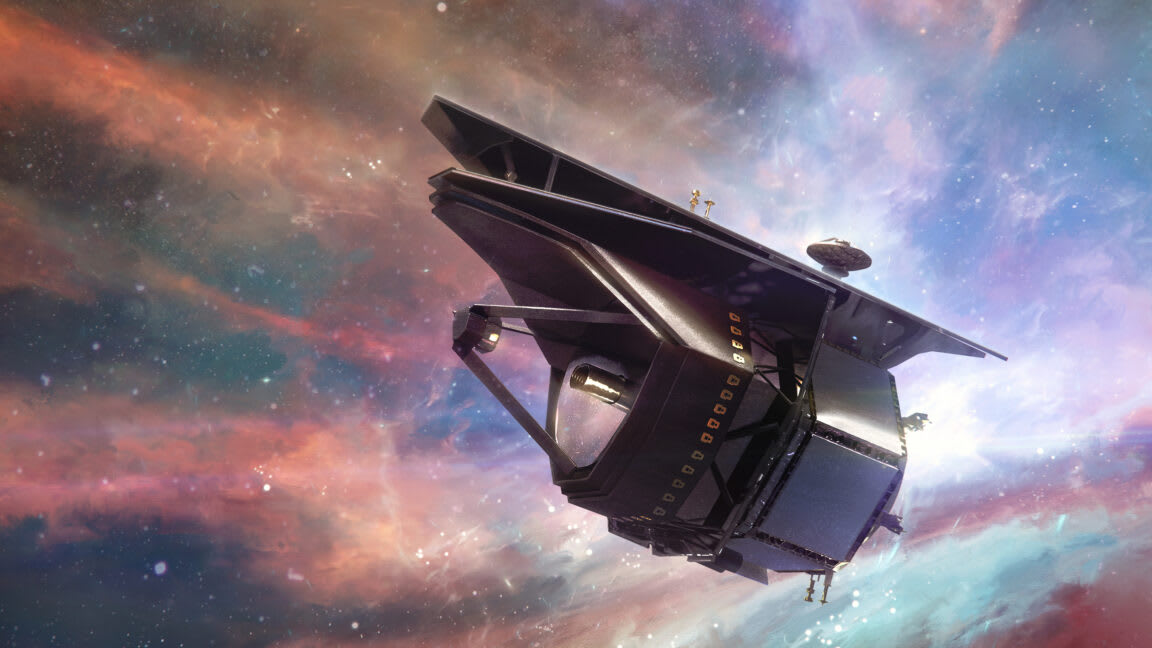
NASA has officially announced the PRIMA mission, the inaugural project in its new 'Probe Explorer' class. By repurposing spare hardware from the Webb telescope, NASA aims to bridge the funding gap between small-scale explorers and massive flagship observatories.
Bridging the Gap: NASA’s PRIMA Mission
NASA has officially unveiled the PRIMA (Probe far-Infrared Mission for Astrophysics) project, marking a strategic shift in how the agency approaches deep-space observation. As the inaugural mission in the new 'Probe Explorer' class, PRIMA is designed to occupy the critical middle ground between lower-cost Explorer missions and massive flagship observatories. By targeting a launch window in the early 2030s, NASA is attempting to streamline the development cycle for high-impact science telescopes.
Strategic Resource Management
One of the most innovative aspects of the PRIMA mission is its commitment to fiscal responsibility through hardware repurposing. By utilizing spare parts originally engineered for the James Webb Space Telescope (JWST), NASA is effectively reducing both development time and material costs. This strategy not only maximizes the utility of existing high-end technology but also sets a precedent for sustainable space exploration, where legacy components are integrated into future discovery platforms.
The 'Probe Explorer' Paradigm
Historically, NASA’s telescope portfolio has been bifurcated into two distinct categories: the 'Explorer-class' missions, typically capped at a few hundred million dollars, and the 'Flagship' missions, such as the Nancy Grace Roman Space Telescope, which can exceed $4 billion. The Probe Explorer line seeks to mitigate the inherent risks and limitations of these two extremes. By providing a higher budget than standard explorers, NASA ensures enough funding for complex, high-science-return instrumentation without the prohibitive financial burden of a flagship project.
Scientific Implications and Future Trends
PRIMA represents a broader trend within NASA to modernize its procurement and design lifecycles. Following years of study by independent panels, the agency has identified a clear need for 'mid-range' observatories that can deliver significant astrophysical findings. If successful, PRIMA will likely serve as a blueprint for future probes, proving that modular design and component reuse can deliver cutting-edge science in a shorter timeframe than the traditional decade-plus development cycles seen in past decades.
Conclusion
The path to the launch pad in the early 2030s is ambitious, but the integration of proven technology from the Webb program provides a significant head start. As NASA continues to refine the Probe Explorer class, the scientific community can expect a more consistent cadence of major space observatories. PRIMA stands as a test case for whether the agency can successfully balance the necessity of fiscal constraint with the insatiable demand for deeper exploration of the cosmos.