A bigger cricket World Cup in 2027, but not an equal one
Source Entity
The Indian Express
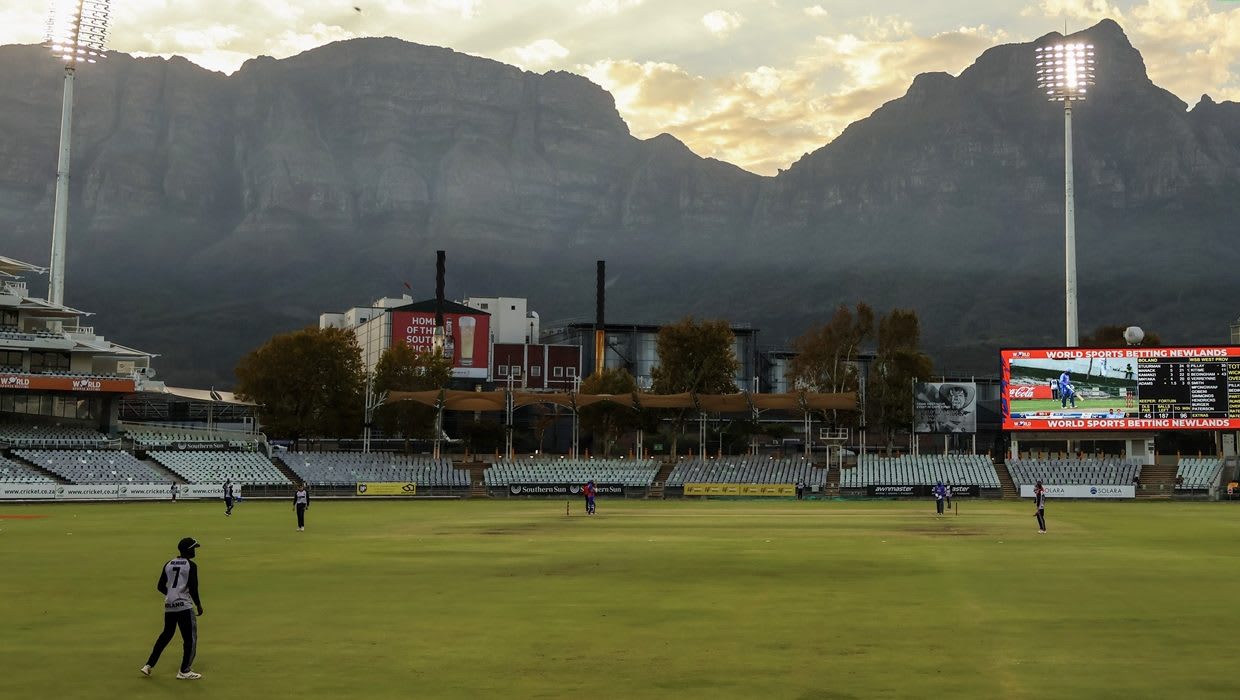
The 2027 ODI Cricket World Cup will expand to 14 teams, but critics argue the structure remains exclusionary. Some teams face early elimination without playing established nations, undermining true global inclusion.
The 2027 ODI World Cup: A Paradox of Expansion
The International Cricket Council (ICC) has announced the expansion of the 2027 ODI World Cup from 10 to 14 teams, framing the move as a major stride toward global cricket inclusivity. While the increase in participants is nominally intended to "make the circle bigger," a critical examination of the tournament structure reveals that this growth may not translate into genuine equality for emerging cricketing nations.
Historical Context of Tournament Formats
To understand the significance of the 2027 format, one must look at the history of the ICC’s decision-making. The tournament previously featured 14 teams in 2003, 2011, and 2015, and even reached 16 teams in 2007. However, the subsequent contraction to just 10 teams in 2019 and 2023 significantly limited the opportunities for Associate members to compete on the world stage. The return to a 14-team format restores some of the lost space, yet the structural implementation remains highly contentious.
The Illusion of Inclusion
The core issue lies in the proposed tournament format, which threatens to sideline smaller nations before they can truly experience the spectacle of the World Cup. Under the current trajectory, two of the 14 participating teams could find themselves eliminated after playing only two matches. More concerning is the fact that these teams might exit the tournament without ever having the opportunity to face an established "Full Member" or major cricketing power. This structure effectively creates a tiered system that prevents the cross-pollination of talent and experience that a truly global tournament should foster.
Structural Disparities
Critics point out that while the headcount has increased, the path to the main group stage is not uniform. The revised format, which includes a final global qualifier winner, appears to prioritize efficiency for top-tier nations over the developmental needs of smaller ones. By limiting the number of matches for the lowest-ranked qualifiers, the ICC is failing to provide these teams with the necessary exposure to high-level competition, which is essential for the sport's growth in emerging markets.
Future Implications for Global Cricket
If the ICC continues to prioritize the interests of established powers over genuine expansion, the sport risks stagnation. The goal of "making the circle bigger" is undermined when the structure ensures that the circle remains exclusive for those already at the top. Moving forward, the cricketing world must demand a format that guarantees all participants a meaningful tournament experience, ensuring that the World Cup serves as a bridge for growth rather than a reinforced barrier between the elite and the rest of the world.