5-state polls set for Feb-March, with UP voting 2 months before term ends
Source Entity
BHARTI JAIN
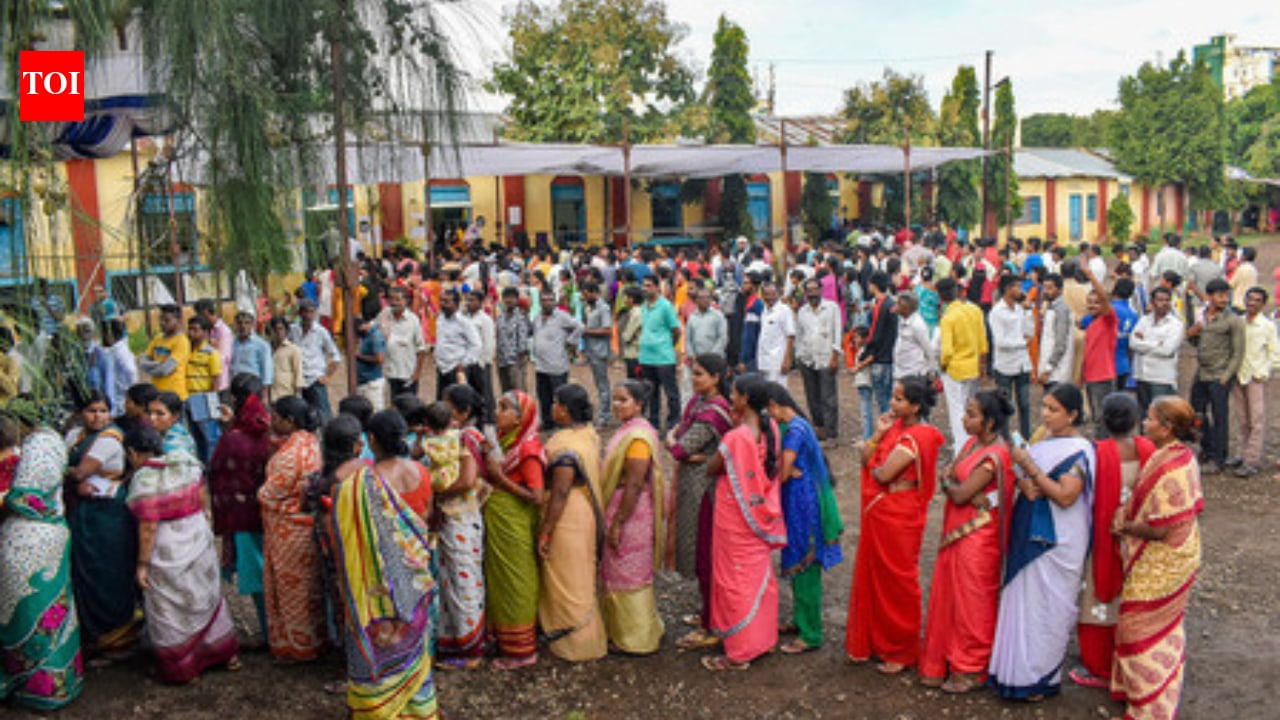
The Election Commission of India is set to conduct assembly elections in five states across February and March. This schedule aligns with the staggered expiration of legislative terms in Uttar Pradesh, Uttarakhand, Punjab, Goa, and Manipur.
The Strategic Timing of India's Five-State Assembly Elections
Aligning Electoral Cycles with Administrative Deadlines
Recent reports confirm that the upcoming assembly elections in five key Indian states—Uttar Pradesh, Uttarakhand, Punjab, Goa, and Manipur—are scheduled for February and March. This timeline is not arbitrary; it is meticulously crafted to align with the constitutional requirements regarding the expiration of legislative house terms. By scheduling the polls in these months, the Election Commission ensures that the democratic process concludes well before the administrative vacuum that would occur if the houses were left dissolved without a newly elected body.
The Case of Uttar Pradesh and Legislative Continuity
Of particular note is the electoral schedule for Uttar Pradesh, where voting is set to occur approximately two months before the current House term expires. This proactive approach is a strategic necessity in a state of such vast geographical and demographic scale. By initiating the voting process well ahead of the term’s end, the authorities mitigate the risks of administrative delays and ensure a smooth transition of power or a seamless continuation of governance, which is vital for the stability of India’s most populous state.
Census Adjustments as a Barometer for Polls
An interesting facet of this election cycle is the interplay between the electoral timeline and the Census operations. The advancement of Census activities in Uttar Pradesh, Uttarakhand, Punjab, and Goa, contrasted with the deferment of the first phase in Manipur, provides a clear indicator of the government's priorities. This synchronization suggests that the logistical burden of conducting both a national Census and state elections is being managed through careful sequencing to avoid resource overlap, particularly for the personnel tasked with field operations.
Regional Timelines and Constitutional Mandates
The urgency of the schedule is dictated by the specific expiration dates of the various legislative assemblies. For instance, the Manipur assembly term is set to conclude on March 13, 2027, followed closely by the Goa assembly on March 14, 2027. These specific dates create a rigid framework that the Election Commission must navigate. Because these states have varying administrative needs and geographical challenges, the February-March window serves as the optimal period to satisfy both the legal mandate of the Representation of the People Act and the logistical realities of Indian election management.
Broader Implications for National Politics
These five-state polls are widely viewed as a bellwether for the broader political sentiment in the country. Given the political weight of states like Uttar Pradesh and the specific regional dynamics at play in Punjab and the coastal state of Goa, the results will likely influence national discourse for the remainder of the electoral cycle. The decision to hold these elections in a compressed two-month window reflects a broader trend toward streamlining the Indian election process to reduce the duration of the Model Code of Conduct, which can otherwise stall developmental projects.
Conclusion and Future Outlook
As the election dates approach, the focus will shift toward the Election Commission’s ability to conduct free and fair polls within this tight window. The adherence to the February-March schedule is a testament to the institutional capacity of the Indian electoral system to manage large-scale transitions. Looking ahead, this cycle will set a precedent for how future legislative terms are managed, emphasizing the importance of balancing constitutional timelines with efficient election administration.