After meeting Bihar youth, Rahul slams PM Modi, Samrat Choudhary
Source Entity
TNN
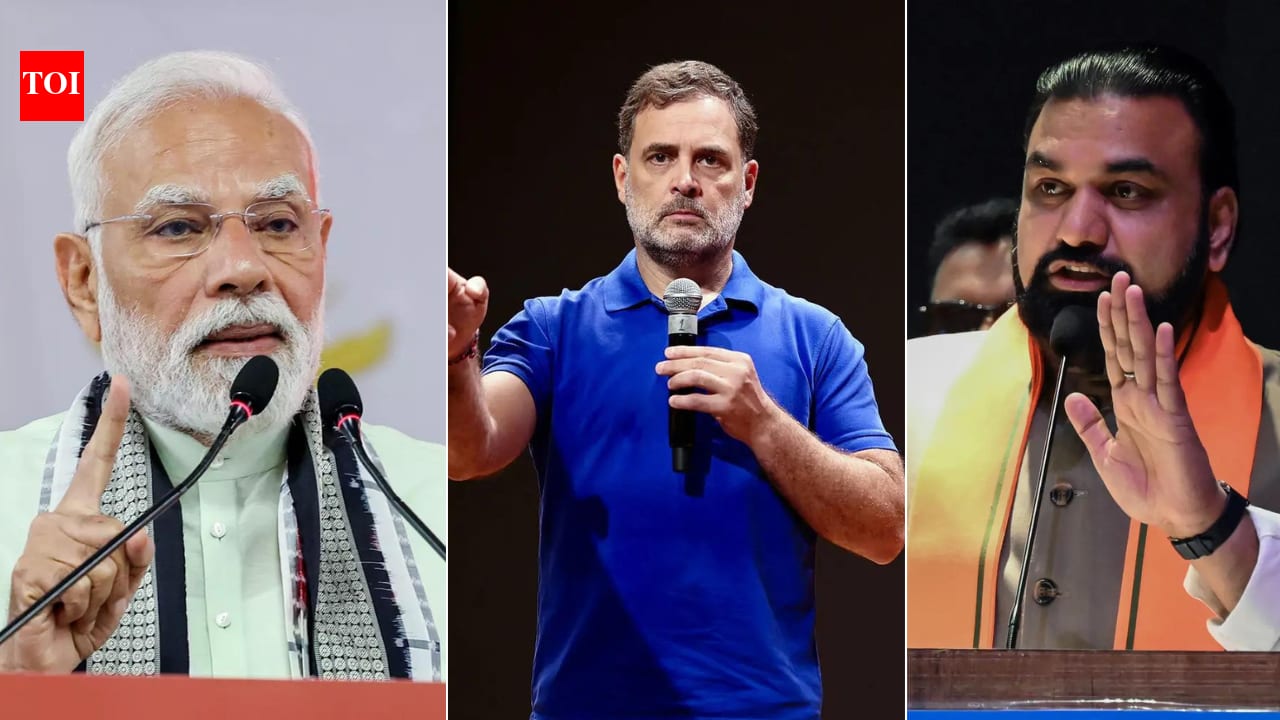
Rahul Gandhi criticized Prime Minister Narendra Modi and Bihar Deputy Chief Minister Samrat Choudhary following an interaction with youths in Bihar. The event highlights growing political friction between the opposition and the ruling coalition regarding youth-centric issues.
Political Tensions Escalate in Bihar
Recent political developments in Bihar have seen a sharp escalation in rhetoric as Congress leader Rahul Gandhi engaged directly with local youths to address their grievances. Following this interaction, Gandhi launched a pointed critique against Prime Minister Narendra Modi and Bihar’s Deputy Chief Minister Samrat Choudhary, framing their leadership as disconnected from the aspirations and struggles of the younger generation.
The Context of Youth Discontent
At the heart of Gandhi’s criticism lies the persistent issue of unemployment and the perceived lack of opportunities for the youth in Bihar. By meeting with local residents, Gandhi sought to amplify concerns regarding the current state of education, vocational training, and job creation. This strategic engagement serves as a focal point for the opposition to challenge the governance record of the National Democratic Alliance (NDA) within the state.
Targeting the Leadership
Rahul Gandhi’s decision to name both Prime Minister Modi and Samrat Choudhary underscores a broader strategy to localize national political debates. By targeting the Deputy Chief Minister, Gandhi is aiming to hold state-level leadership accountable for the implementation of central policies. This narrative suggests that the opposition views the alliance between the BJP and local leaders as ineffective in delivering tangible economic improvements for the demographic dividend of Bihar.
Historical Dynamics and Political Strategy
Bihar has historically been a crucial battleground for Indian politics, where caste equations and economic development often intersect. Gandhi’s recent maneuvers indicate a concerted effort to shift the discourse toward 'bread and butter' issues. This approach is designed to challenge the incumbent coalition’s reliance on traditional support bases by appealing directly to the youth’s anxieties about their economic future.
Future Trends and Implications
Looking ahead, the political climate in Bihar is likely to remain charged as both the ruling coalition and the opposition intensify their outreach efforts. If the opposition continues to successfully frame the narrative around youth unemployment, it could force a policy pivot from the ruling government. The effectiveness of these critiques will depend on whether they can translate into electoral momentum in future legislative cycles.
Conclusion
In summary, Rahul Gandhi’s recent interaction with Bihar’s youth and his subsequent criticism of the leadership represent a significant push to re-energize opposition discourse. By focusing on the gaps in governance and the specific frustrations of the youth, the Congress leader is positioning himself as a vocal advocate for systemic change, setting the stage for a contentious and high-stakes political environment in the region.