8 beautiful plants you can grow without soil
Source Entity
The Indian Express
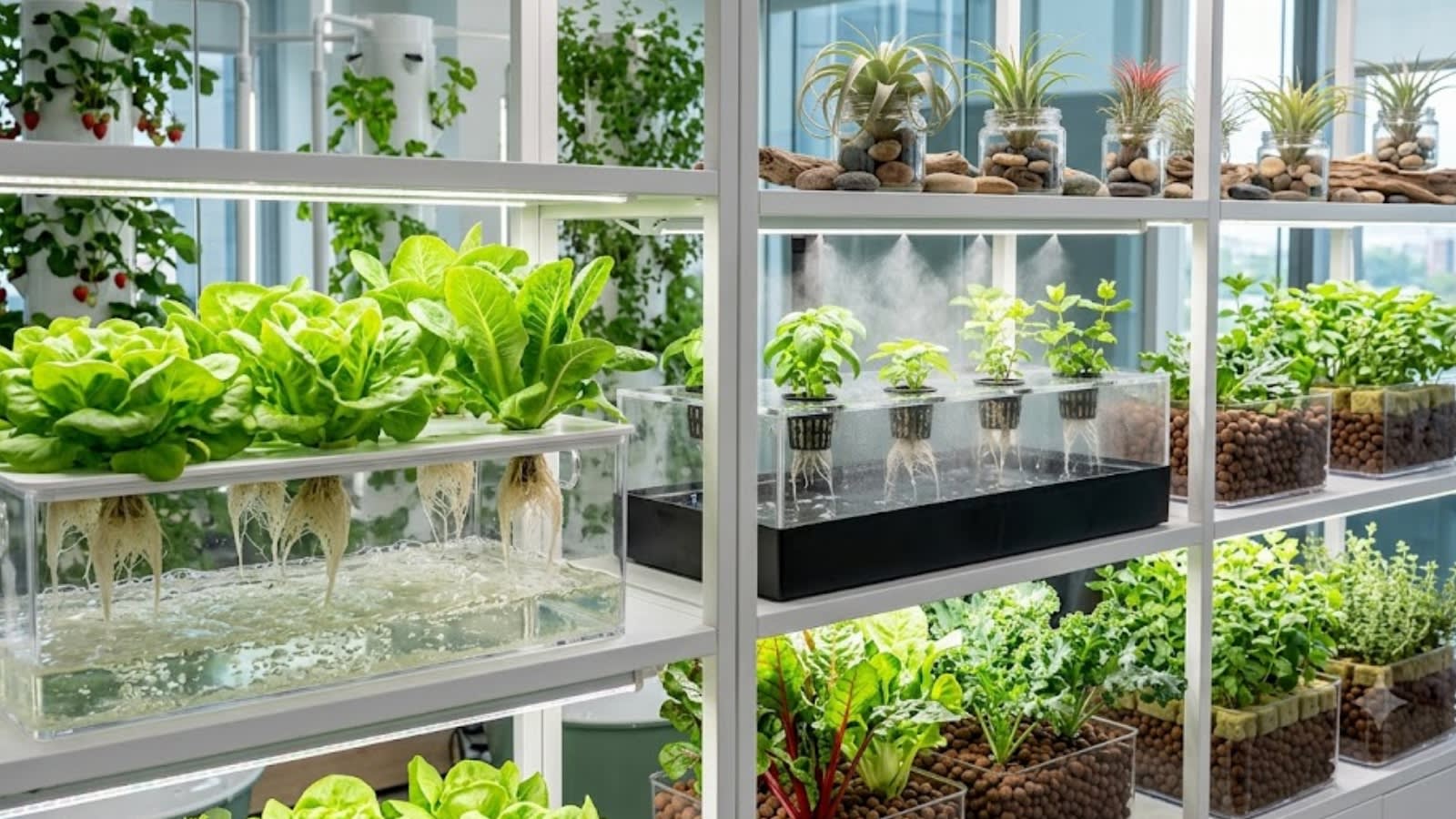
Indoor gardening is evolving as many plants can now thrive without soil by utilizing water, air, or specialized mediums. This shift offers a low-maintenance, aesthetic solution for urban dwellers and apartment living.
The Rise of Soil-Free Indoor Gardening
For centuries, the traditional paradigm of gardening has been inextricably linked to the presence of soil. However, a growing trend in urban horticulture is challenging this convention by demonstrating that many plants can thrive in alternative environments. By leveraging water, air, or specialized growing mediums, enthusiasts are finding that soil is not a mandatory requirement for cultivating lush, vibrant greenery inside the home.
Expanding the Urban Green Space
The shift toward soil-free plants is particularly significant for those living in dense urban environments where access to outdoor garden space is limited or nonexistent. Apartment dwellers often face constraints regarding weight, mess, and maintenance, making traditional container gardening less feasible. Soil-free methods, such as water-based cultivation, offer a cleaner, more manageable alternative that allows individuals to integrate nature into their living spaces without the logistical hurdles of potting soil.
The Versatility of Lucky Bamboo
Among the most prominent examples of this phenomenon is the Lucky Bamboo. Its ability to grow in simple glass containers filled with nothing more than water and pebbles has made it a staple in interior design. Beyond its aesthetic appeal and minimal care requirements, it carries cultural significance, often associated with Feng Shui principles. This plant serves as an ideal entry point for beginners, as its resilience and adaptability to desk or tabletop environments demonstrate the viability of soil-less growth.
Scientific Adaptability of Pothos
While Lucky Bamboo is a well-known water-grown variety, other species like Pothos are also gaining recognition for their ability to adapt to soil-free conditions. These plants utilize their root systems to extract essential nutrients directly from the water column, proving that plants possess a high degree of biological plasticity. This evolutionary trait allows them to survive in environments that would be hostile to more traditional, soil-dependent species.
Future Trends in Horticulture
The move toward soil-less indoor gardening represents a broader trend in sustainable living and biophilic design. As technology and knowledge regarding hydroponics and aeroponics continue to permeate the consumer market, we can expect to see more innovative ways to grow plants without soil. These methods not only reduce the risk of soil-borne pests and diseases but also empower individuals to maintain healthier, more aesthetically pleasing indoor environments with significantly less effort.