We should smile at our dogs - a new scientific study reveals why
Source Entity
BBC News
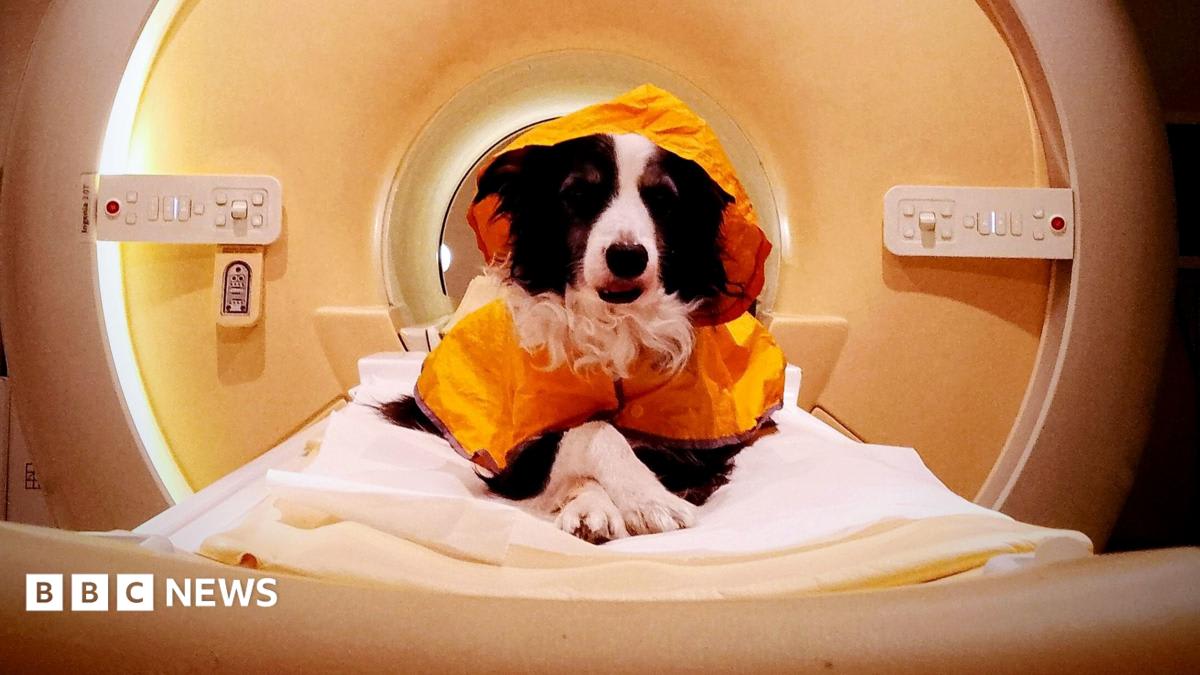
New fMRI studies reveal that dogs possess specialized brain activity when processing human facial expressions. This research highlights the unique evolutionary bond that allows canines to distinguish between happiness, fear, and anger in their human companions.
The Neuroscience of the Human-Dog Bond
For centuries, the relationship between humans and dogs has been defined by an intuitive, almost telepathic understanding. Dog owners have long claimed that their canine companions can sense their moods, but until recently, this remained largely anecdotal. New research published in the journal iScience has now moved this understanding into the realm of hard neuroscience, utilizing fMRI scans to map exactly how a dog's brain reacts when viewing human faces.
Mapping the Canine Reward System
In a landmark study, researchers monitored 14 dogs as they remained still within a brain scanner, viewing various photographs of human faces. The results were striking: when shown images of a smiling human, the area of the dog’s brain associated with reward circuitry showed significant activity. This is the same neural pathway that lights up in humans when receiving a 'dopamine hit' from positive reinforcement, such as praise or a high-value treat. This suggests that a smile is not just a visual cue to a dog, but a biological signal of safety and reward.
Distinguishing Complex Emotions
Beyond simply recognizing happiness, the study indicates that dogs possess the cognitive sophistication to differentiate between a variety of negative human emotions, including anger, sadness, and fear. By identifying distinct brain activity patterns for each of these states, scientists have confirmed that dogs are not merely reacting to general human movement, but are specifically tuning into the nuanced details of facial expressions. This ability to read human emotion is a testament to the long-standing evolutionary co-adaptation between the two species.
Evolutionary Adaptations
Co-author Raúl Hernández-Pérez of the University of Vienna emphasizes that this capability makes dogs a subject of immense interest in evolutionary biology. Humans have evolved to be exceptionally adept at reading micro-expressions, and it appears that through domestication, dogs have developed a mirrored skill set. This adaptation supports their role as social companions, allowing them to navigate the human world with a level of emotional intelligence that is rare among other non-human animals.
Broader Implications and Future Research
This research provides a deeper understanding of why dogs have become such integral parts of human society, from service animals to family pets. By validating the neurological basis of this bond, scientists can now better investigate how these cognitive adaptations have evolved over thousands of years of domestication. Future studies may look at whether this emotional processing is universal across all breeds or if specific training and environment further refine this biological 'reading' of the human face.
Conclusion
Ultimately, these findings confirm that the bond between humans and dogs is rooted in deep biological connectivity. As we continue to uncover the complexities of the canine brain, we gain not only a better appreciation for our pets but also a clearer window into the evolutionary history of social cognition. The next time you smile at your dog, you can be confident that they are not just seeing a gesture, but are experiencing a genuine neural response to your presence.