The only animal known to hibernate and dream is this tiny Madagascar primate
Source Entity
The Indian Express
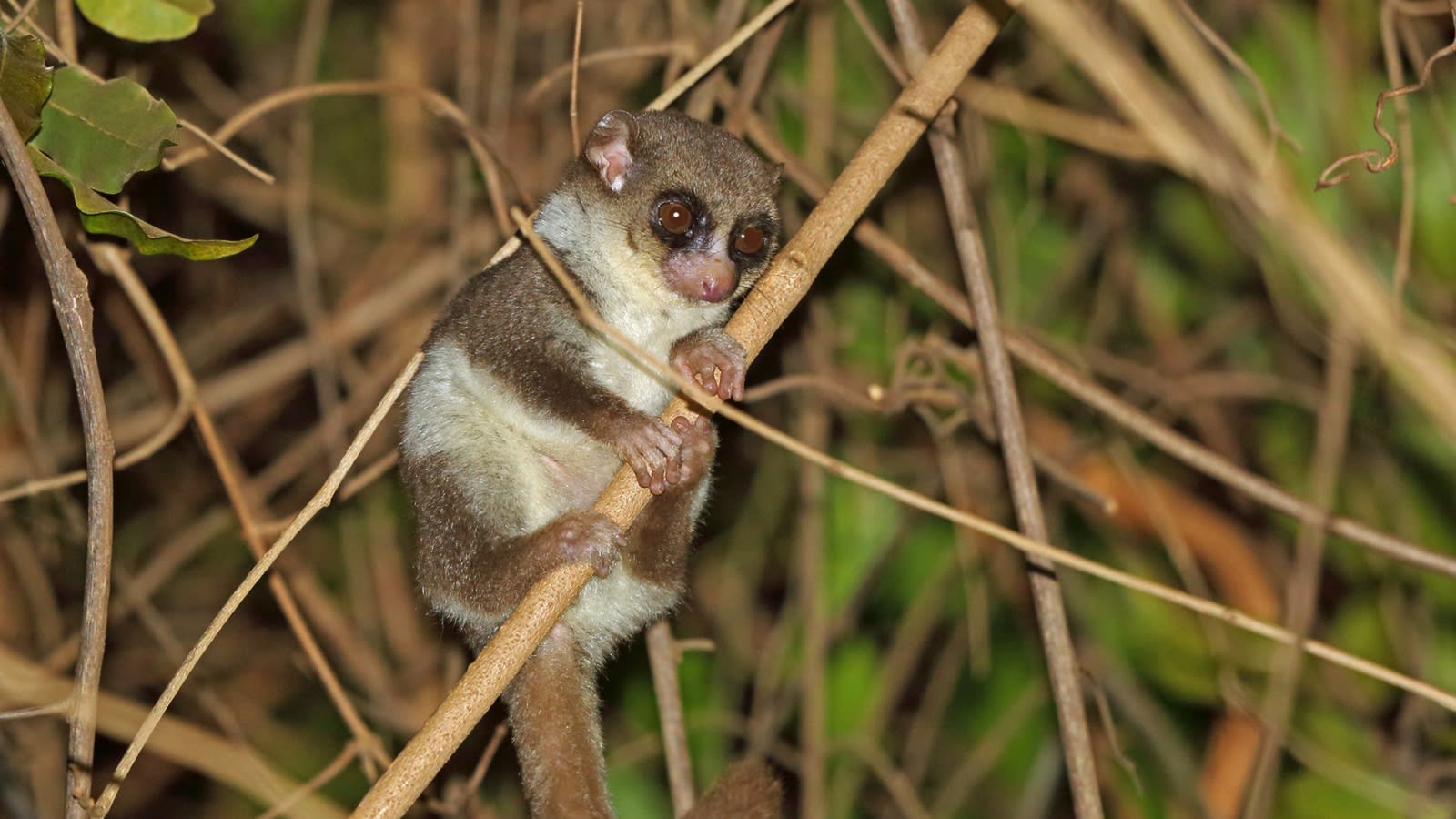
The fat-tailed dwarf lemur of Madagascar is the only known primate to hibernate and, uniquely, exhibits signs of dreaming during this state. This tiny animal survives harsh dry seasons by relying on fat reserves stored in its tail for up to seven months.
The Sleep Cycles of the Fat-Tailed Dwarf Lemur
For decades, the scientific community has operated under the general assumption that hibernation is a physiological state of profound metabolic suppression, characterized by a lack of neurological activity associated with REM sleep. However, the discovery that the fat-tailed dwarf lemur (Cheirogaleus medius) experiences dreaming while in a state of hibernation challenges these fundamental biological paradigms. This primate, native to the unique ecosystems of Madagascar, serves as a bridge between human sleep patterns and the extreme survival strategies of the animal kingdom.
The Physiology of Hibernation
The fat-tailed dwarf lemur utilizes its tail as a biological battery, storing essential fat reserves that allow it to bypass the need for external food sources during Madagascar’s intense dry season. By entering a state of torpor, the lemur can survive for up to seven months in sheltered tree hollows. This metabolic slowdown is not merely a passive act of waiting; it is a highly regulated physiological achievement that allows the primate to maintain life while its body temperature fluctuates with the surrounding environment.
Challenging the Concept of 'Dreamless' Sleep
Most animals that enter hibernation do so to conserve energy by essentially 'shutting down' higher brain functions. The fact that this lemur exhibits signs of dreaming suggests that even in a state of deep, energy-saving torpor, the brain remains active in ways that scientists previously assumed were impossible. This finding forces a re-evaluation of the purpose of dreaming, suggesting that it may serve a critical neurological function that the lemur cannot afford to abandon, even when energy conservation is the primary survival goal.
Evolutionary Significance
As a primate, the fat-tailed dwarf lemur shares a closer evolutionary lineage with humans than other hibernating animals like bears or ground squirrels. Studying this lemur provides researchers with a unique window into the evolutionary history of primate sleep. If a primate can dream while hibernating, it suggests that the neurological mechanisms required for dreaming are deeply embedded in the primate brain and may be more resilient to metabolic stress than previously believed.
Broader Ecological Implications
The specialized adaptation of the fat-tailed dwarf lemur highlights the extreme environmental pressures present in Madagascar. By evolving to hibernate, these animals have secured a niche that protects them from the seasonal scarcity of food. However, this also makes them highly sensitive to changes in their habitat. As climate patterns shift, the delicate timing of their hibernation cycles could be disrupted, potentially threatening the survival of this unique species.
Future Research Trends
Moving forward, the study of the fat-tailed dwarf lemur will likely focus on the neurobiology of its dream states. By mapping the brain activity of these lemurs during their seven-month slumber, scientists hope to understand the 'why' behind their dreaming. Is it a method of memory consolidation, or a byproduct of the brain's attempt to regulate its internal state? Answering these questions could eventually reshape our understanding of human sleep disorders and the fundamental nature of consciousness itself.