Thiruvananthapuram zoo set to protect old Arara nut-tree
Source Entity
India Latest News: Top National Headlines Today & Breaking News | The Hindu
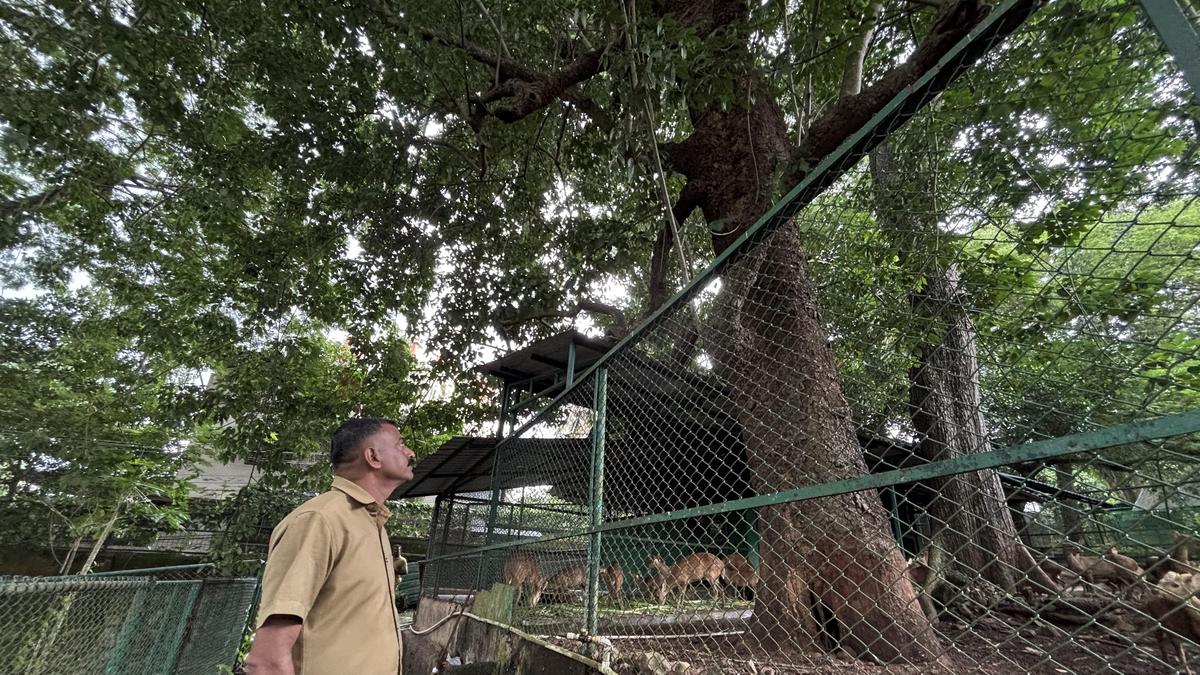
The Thiruvananthapuram Zoo has identified a rare Brazilian Arara nut-tree within its grounds, previously mistaken for a rubber tree. Authorities are now prioritizing the conservation of this unique specimen's germplasm to ensure its survival.
Conservation Efforts for the Rare Arara Nut-Tree
A Botanical Discovery in Thiruvananthapuram
The Thiruvananthapuram Zoo has officially commenced efforts to protect and conserve a rare Arara nut-tree (Joannesia princeps) discovered within its premises. Located specifically within the hog deer enclosure, this specimen represents a significant biological find for the region. For years, the tree was misidentified as a common rubber tree due to its membership in the Euphorbiaceae family, which it shares with the rubber plant. This confusion highlights a common challenge in botanical management where unique, non-native species go unrecognized in historical archives.
Correcting Historical Misidentification
The realization that the tree was not a rubber tree occurred following a professional site visit by a team from the Rubber Board. While the team was initially inspecting three actual rubber trees on the museum premises, their botanical expertise allowed them to identify the distinct characteristics of the Joannesia princeps. According to botanical garden superintendent Vijayalakshmi P.V., the zoo and museum archives lacked specific documentation regarding this tree, leading to the long-standing, inaccurate classification.
Biological Significance of Joannesia princeps
Endemic to Brazil, the Arara nut-tree is a medium to tall species known for its expansive canopy. As a South American native, its presence in Kerala is highly unusual, and it is currently believed to be the only specimen of its kind in the entire state. The Euphorbiaceae family is vast and economically significant, but the Arara nut remains a specialized component of this group, requiring specific environmental conditions that the zoo’s verdant grounds have inadvertently provided.
Strategic Conservation and Germplasm Preservation
The zoo’s commitment to protecting the tree involves more than just physical preservation; they are actively seeking to conserve its germplasm. By securing the genetic material of this rare specimen, the zoo aims to ensure that the species can be propagated and maintained in other botanical gardens and zoos. This proactive approach serves as a safeguard against the loss of a unique genetic lineage that currently exists as a solitary outlier in the local ecosystem.
Future Implications for Botanical Research
This discovery underscores the importance of periodic botanical audits in public spaces like zoos and museums. As the Thiruvananthapuram zoo moves forward with its conservation plan, it creates a template for how heritage institutions can contribute to biodiversity. The protection of this tree not only preserves a piece of exotic flora but also opens doors for educational opportunities, allowing the public and researchers alike to study a rare South American species within a controlled, protected environment.
Verification Required?