Artificial Intelligence used to design brand new viruses
Source Entity
BBC News
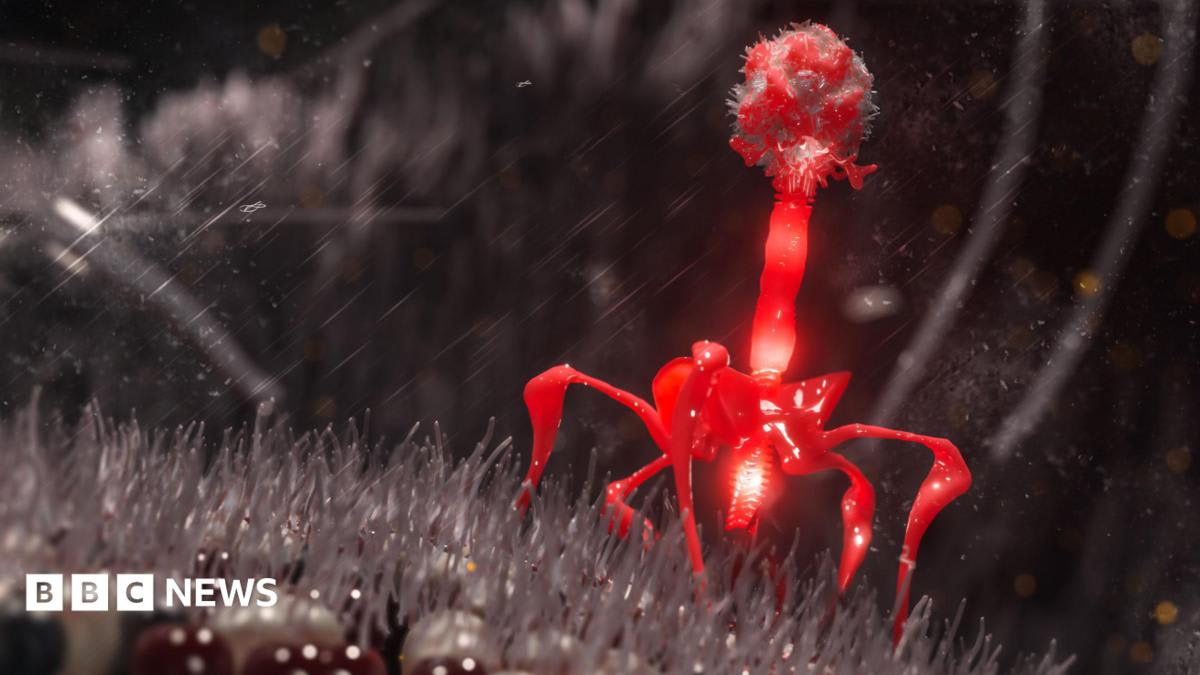
Researchers have successfully used AI to design functional bacteriophages capable of killing antibiotic-resistant bacteria. While this milestone offers a transformative path for medicine, it simultaneously highlights urgent biosafety and security concerns regarding AI-generated pathogens.
The Dawn of AI-Designed Synthetic Biology
Recent scientific breakthroughs have confirmed that artificial intelligence can now design fully functional, synthetic viruses. Led by researchers such as Dr. Brian Hie at Stanford University, the team utilized large genome models—the genetic equivalent of the large language models used in AI chatbots—to generate novel genomes. These models successfully produced 16 bacteriophages, which are viruses specifically evolved to infect and destroy bacteria. This achievement marks the first time that entire viral genomes have been successfully designed from scratch using generative AI, signaling a paradigm shift in how we approach synthetic biology.
Moving Beyond Protein Design
Historically, AI applications in biology have primarily focused on protein design, as proteins serve as the functional machinery of life. However, the genetic code acts as a layer of abstraction between DNA and protein expression. By training models on vast amounts of genetic data, researchers discovered that AI could output DNA sequences capable of encoding functional proteins and mimicking complex cellular gene structures. This transition from designing individual protein components to architecting whole-genome sequences represents a significant leap in complexity for generative AI.
Therapeutic Potential and Efficacy
These AI-designed bacteriophages are not merely theoretical; they have demonstrated practical utility in laboratory settings. In tests against E. coli bacteria that were resistant to natural viruses, a cocktail of the AI-generated bacteriophages successfully neutralized the pathogens. This capability is exceptionally promising for the future of medicine, particularly as the global health community struggles with the rising threat of antibiotic-resistant bacteria. By leveraging AI to rapidly iterate on phage design, scientists may soon be able to create custom treatments for persistent infections that current pharmaceuticals cannot address.
The Dual-Use Dilemma and Security
Despite the medical optimism, the emergence of AI-generated viruses introduces profound safety and security concerns. The ability to "rapidly" design viable viruses from scratch is a dual-use technology; while it holds the potential to treat disease, it also lowers the barriers to entry for creating potentially harmful pathogens. Experts have labeled this advancement a "very significant turning point," noting that the speed and accessibility of these AI tools necessitate an urgent conversation regarding regulatory frameworks to ensure that such powerful biological design capabilities are not misused.
Future Trends in Genomic Modeling
Looking forward, the success of these genome models suggests that we are entering an era where biological systems can be programmed with the same precision as computer code. As AI tools continue to advance, we can expect further integration of these models into drug discovery and synthetic biology pipelines. The challenge for the scientific community will be to balance the pursuit of life-saving innovations with robust biosafety protocols. The rapid advancement from simple antibiotic design to the creation of complex, viable viruses underscores that the evolution of AI in biology is moving faster than current policy frameworks can anticipate.