India Completes 1st Catalogue Of Butterflies, Moths, Documents 13,703 Species
Source Entity
NDTV News Search Records Found 1000
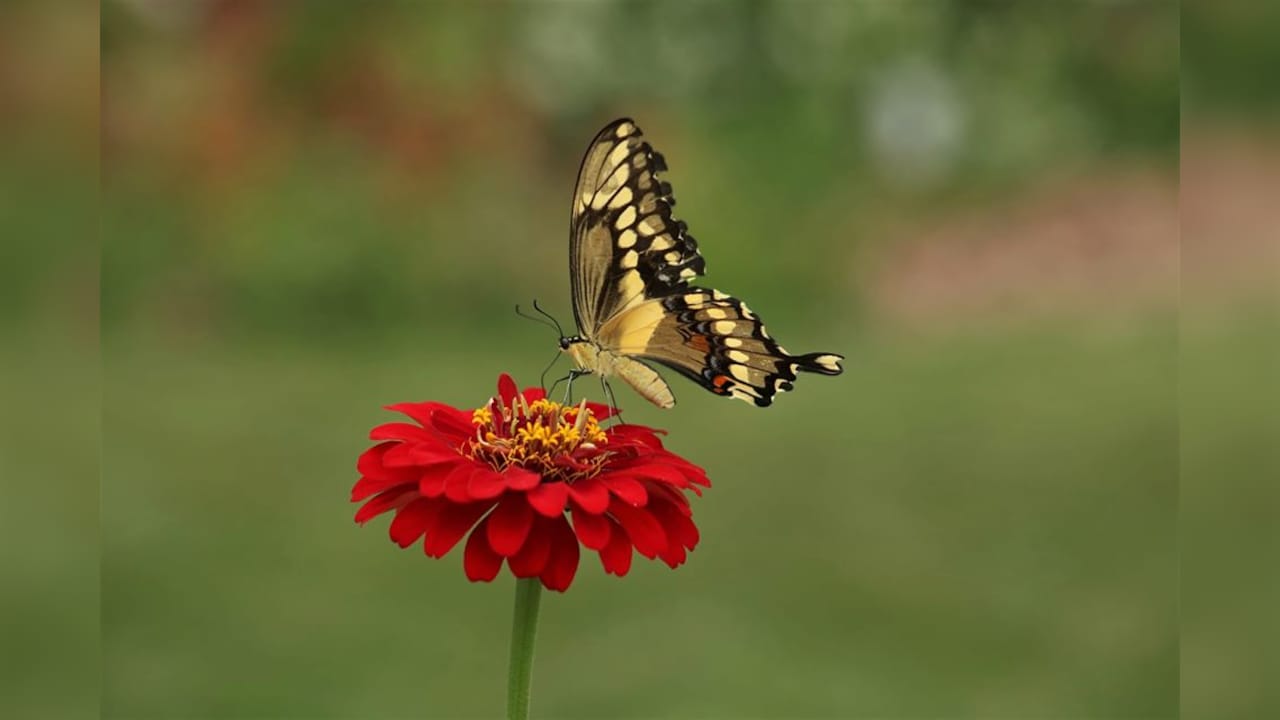
India has successfully compiled its first comprehensive catalogue of Lepidoptera, documenting 13,703 species of butterflies and moths. This landmark survey provides a vital baseline for biodiversity research and conservation efforts across the nation.
India’s Landmark Lepidoptera Catalogue: A Biodiversity Milestone
India has achieved a significant milestone in environmental science with the completion of its first-ever comprehensive catalogue of butterflies and moths. By documenting 13,703 distinct species, this survey provides the scientific community with a definitive baseline of the country's Lepidoptera diversity. This systematic effort marks a transition from fragmented regional observations to a unified national database, essential for understanding the ecological richness of the Indian subcontinent.
The Significance of Baseline Data
In the realm of conservation biology, the absence of a consolidated inventory often hinders effective policymaking. By identifying 13,703 species, researchers can now better track population trends, identify endemic species, and assess the health of various ecosystems. Butterflies and moths serve as critical bio-indicators; their presence or absence often signals shifts in environmental quality, making this catalogue an indispensable tool for future ecological monitoring.
Ecological Roles and Environmental Health
Butterflies and moths are vital components of the food web, acting as both pollinators and prey for diverse avian and insect species. The sheer scale of this catalogue—covering over 13,000 species—highlights the immense biological complexity of India’s habitats, ranging from the Himalayan foothills to the Western Ghats. Understanding this diversity is not merely an academic exercise; it is fundamental to protecting the pollination services that support both wild flora and agricultural productivity.
Challenges in Taxonomic Documentation
Documenting such a vast number of species is a monumental task that requires meticulous taxonomic verification. The completion of this catalogue reflects a major advancement in India’s scientific infrastructure. Historically, insect biodiversity has been under-represented in national reporting compared to larger fauna. This new dataset helps bridge that gap, ensuring that smaller, yet ecologically vital, organisms receive the conservation attention they require.
Future Trends and Conservation Outlook
Looking ahead, this catalogue will likely serve as the foundation for modern conservation strategies. With climate change threatening sensitive habitats, having a documented list of 13,703 species allows scientists to model how shifts in temperature and land use might affect specific populations. Future research will likely utilize this data to prioritize 'hotspots' for protection, ensuring that India’s unique Lepidoptera heritage is preserved for generations to come.
Conclusion
The successful compilation of this catalogue is a testament to the dedication of India’s scientific community. By providing a clear, quantifiable record of 13,703 species of butterflies and moths, the nation has significantly bolstered its environmental intelligence. This achievement serves as a benchmark for future biodiversity studies, emphasizing the importance of rigorous documentation in the ongoing effort to manage and protect our natural world.
Verification Required?