When and where to watch the Southern Delta Aquariids, Alpha Capricornids and Perseid meteor shower this week
Source Entity
Latest News: Todays Latest News Headlines from India & World | Hindustan Times | Hindustan Times
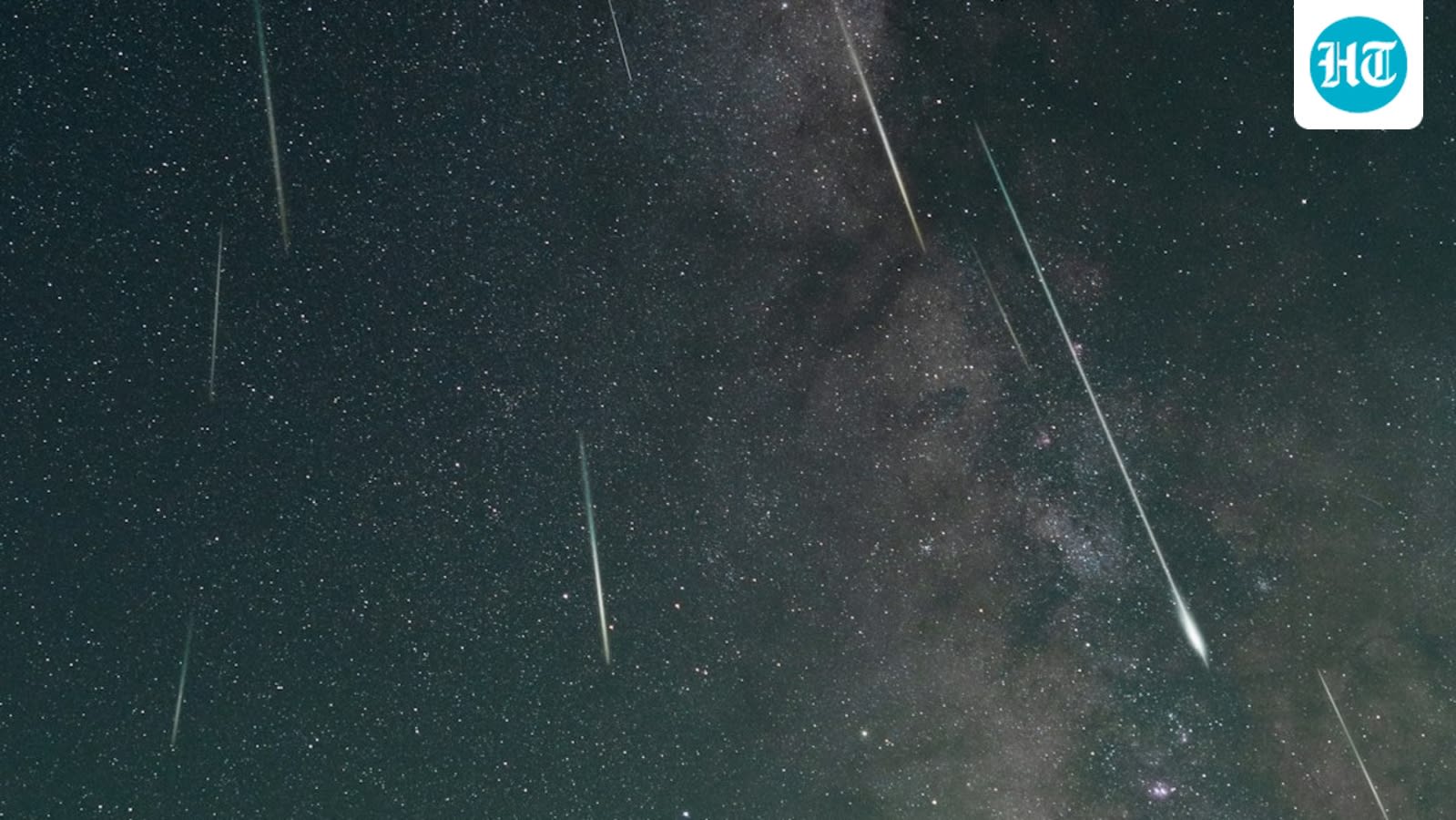
Astronomy enthusiasts can view the Southern Delta Aquariids and Alpha Capricornids meteor showers peaking on July 30-31. Despite the bright Buck Moon, observers with clear skies may still spot fireballs as the Perseids build toward their August peak.
Celestial Convergence: July's Meteor Activity
As July draws to a close, the night sky offers a rare triple-threat event for amateur astronomers and space enthusiasts alike. The Southern Delta Aquariids and the Alpha Capricornids are slated to reach their peak intensity overnight on July 30-31. These annual showers provide a consistent reminder of the debris left behind by comets as they orbit the sun, creating the streaks of light commonly referred to as "shooting stars."
Understanding the Meteor Showers
The Southern Delta Aquariids are known for their steady output and are best viewed from the Southern Hemisphere, though they remain visible in mid-latitudes. Simultaneously, the Alpha Capricornids are celebrated for producing a higher-than-average frequency of bright fireballs—exceptionally brilliant meteors that can outshine the planets. The coincidence of these two peaks creates a unique opportunity for observers to witness varied celestial phenomena in a single night.
The Impact of Lunar Interference
A significant factor impacting this week’s observations is the presence of the Buck Moon. The brightness of the moon acts as a form of light pollution, washing out the fainter meteors that would otherwise be visible to the naked eye. While this reduces the total count of detectable "shooting stars," astronomers emphasize that the inherent brightness of Alpha Capricornid fireballs ensures they will likely remain visible even under these challenging lunar conditions.
The Perseids and Future Trends
Beyond the immediate peaks of July 30-31, the celestial calendar is already shifting focus toward the Perseids. Widely considered one of the most reliable and prolific meteor showers of the year, the Perseids are currently in their building phase. As the debris cloud from Comet Swift-Tuttle enters Earth's atmosphere, the intensity of this shower will steadily increase, culminating in a spectacular performance scheduled for August 12-13.
Tips for Optimal Viewing
To maximize the chances of success, observers are encouraged to find locations far from urban light pollution and allow their eyes at least 20 minutes to adjust to the darkness. Because these showers occur simultaneously, viewers do not need to focus on a single point in the sky. Instead, lying on one's back and observing a wide field of view will yield the best results for spotting the occasional fireball or persistent streak.
Conclusion
While the current lunar cycle presents a hurdle for skywatchers, the combination of the Southern Delta Aquariids and the Alpha Capricornids remains a highlight of the summer astronomical calendar. By managing expectations regarding the Buck Moon's glare and preparing for the upcoming Perseid peak in mid-August, observers can effectively engage with these fascinating remnants of our solar system's history.
Verification Required?