Opinion: Opinion | Why Dharmendra Pradhan's Exit Is Also About An 'Age' Problem
Source Entity
NDTV News Search Records Found 1000
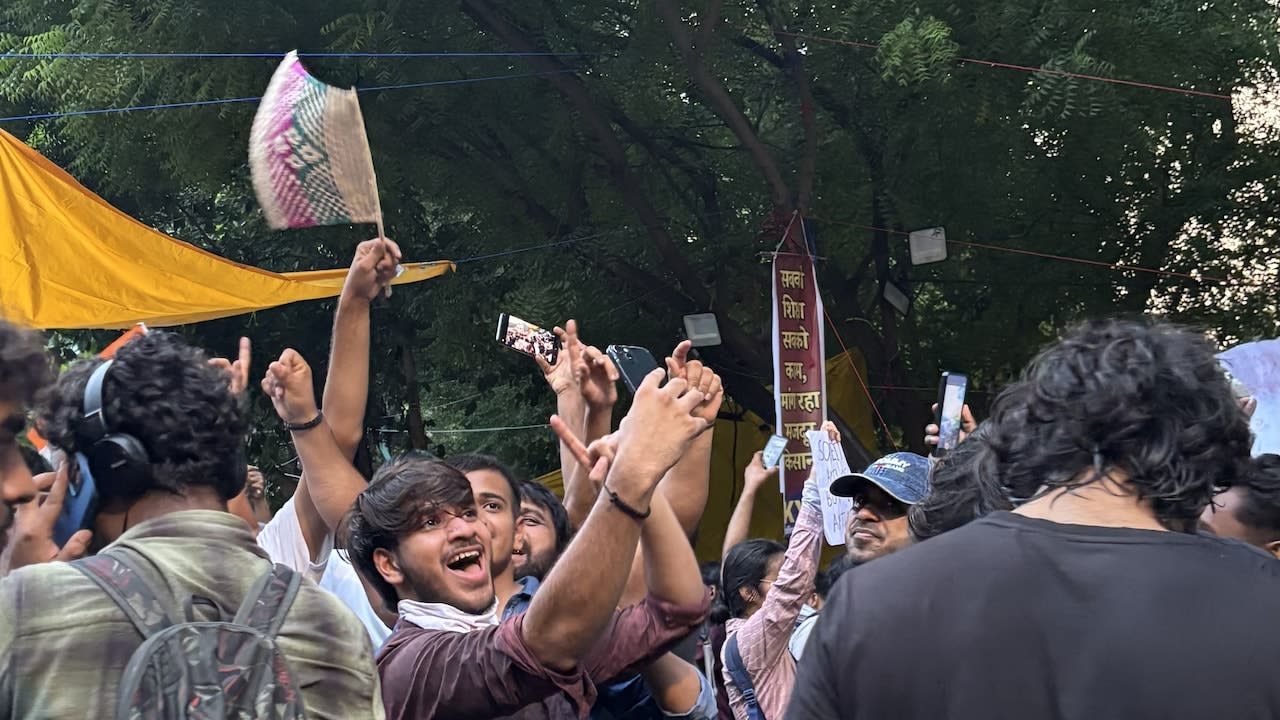
The current Indian electoral framework imposes a 25-year age floor for contesting elections despite younger citizens reaching professional milestones earlier. This discrepancy raises questions about political representation for Gen Z in a rapidly evolving demographic landscape.
The Age Gap in Indian Democracy
India’s political landscape is currently navigating a significant tension between the aspirations of its youth and the constitutional constraints governing electoral participation. While the demographic profile of the nation is overwhelmingly young, with Generation Z entering the workforce and assuming civic responsibilities with increasing vigor, the legislative framework remains anchored in mid-20th-century standards. The requirement that a candidate must reach the age of 25 to contest elections creates a notable disconnect between those who can shape the nation’s policies through their vote and those who are legally permitted to draft them.
Discrepancies in Civic Participation
There is a profound inconsistency in the current legal structure regarding the timeline of adult responsibility in India. A citizen is granted the right to vote at 18, a milestone that acknowledges their capacity to participate in the democratic process. Furthermore, the Indian bureaucratic system allows individuals to qualify for elite civil service positions as early as 21. This means that a 22-year-old could potentially be tasked with implementing or administering government policy, yet that same individual is legally barred from seeking a seat in a legislative body until they reach 25.
The Gen Z Aspirations
As Gen Z graduates and enters the workforce, their engagement with societal issues has become more pronounced. Their ability to hold bureaucratic roles at a younger age demonstrates that the intellectual and administrative capacity for governance is present well before the age of 25. By delaying electoral eligibility, the current system may inadvertently stifle the political representation of a demographic that is increasingly tech-savvy, globally connected, and deeply invested in the long-term trajectory of the nation's socio-economic development.
Historical and Constitutional Context
The 25-year age threshold for parliamentary and assembly elections was established during a different era of Indian governance, where the political lifecycle was structured around more traditional milestones. However, the rapid advancement of education and the integration of youth into the professional economy suggest that these historical benchmarks may no longer align with the reality of modern Indian citizenship. The debate surrounding this age limit is not merely about a specific number, but about the inclusivity of the democratic process in an era of accelerated youth development.
Broader Implications and Future Trends
Should the discourse around lowering the minimum age for electoral candidacy gain momentum, it would represent a significant shift in India’s political culture. Proponents argue that lowering this age could revitalize the legislative process by introducing fresh perspectives and addressing issues that specifically impact younger generations. Conversely, critics might argue for the necessity of 'political maturity,' yet the existing precedent of allowing 21-year-olds to serve in high-stakes bureaucratic roles significantly weakens that argument. As India continues to evolve, the pressure to synchronize electoral rights with professional and civic maturity will likely become a central theme in future constitutional debates.
Verification Required?