PM Modi Orders Dedicated Mechanism For Seafarers During Key Meet On Middle East
Source Entity
NDTV News Search Records Found 1000
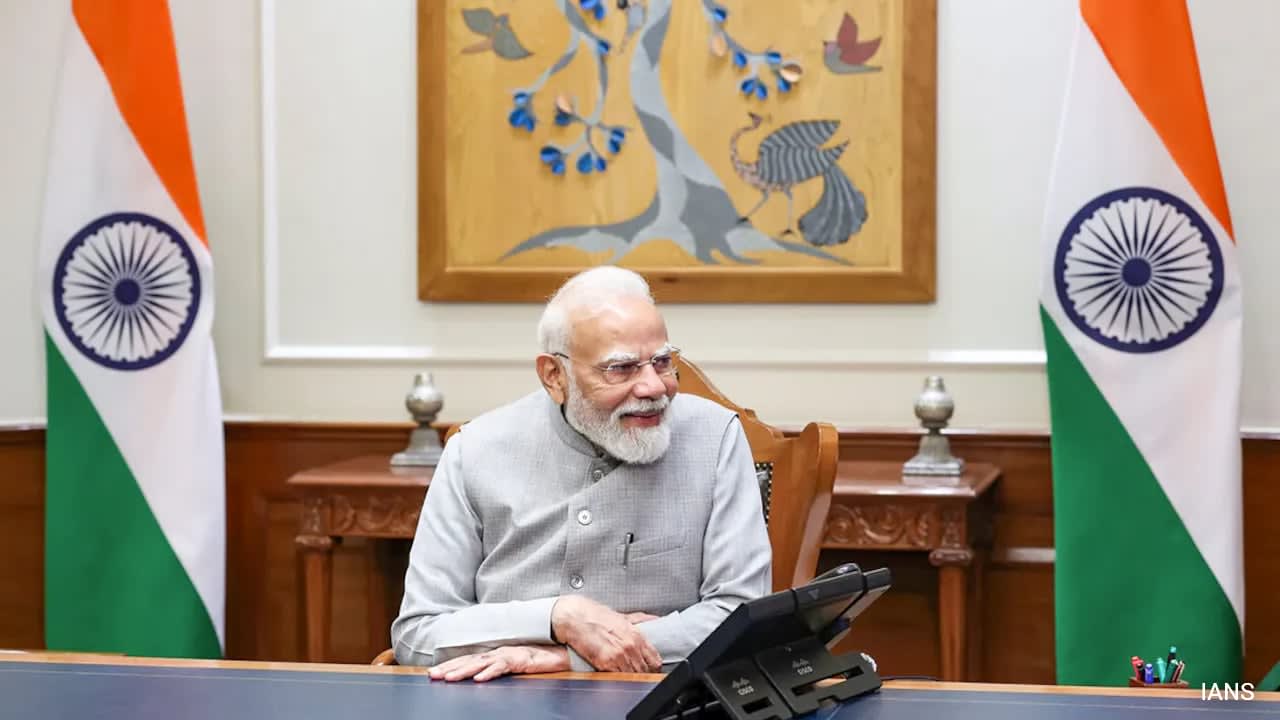
PM Modi chaired a high-level Cabinet Committee on Security meeting to address the impacts of the West Asia conflict on Indian interests. Key directives include establishing a dedicated support mechanism for seafarers and securing fertilizer and energy supplies for domestic stability.
Strategic Review of the West Asia Crisis
Prime Minister Narendra Modi’s recent chairing of the fourth special Cabinet Committee on Security (CCS) meeting highlights the Indian government's proactive stance in navigating the volatile geopolitical landscape of West Asia. As the conflict intensifies, the potential for spillover effects—ranging from maritime security threats to disruptions in vital supply chains—has necessitated a robust, whole-of-government response to protect national interests.
Prioritizing Maritime Security and Seafarer Welfare
A primary focus of the CCS meeting was the safety of Indian seafarers. Recognizing that Indian mariners are essential components of the global shipping industry, working on both domestic and foreign-flagged vessels, the Prime Minister has ordered the creation of a dedicated mechanism. This system is designed to provide real-time information, emergency assistance, and psychological counseling, ensuring that these workers and their families have a direct line of support during periods of heightened regional tension.
Securing Domestic Supply Chains
Beyond human security, the meeting addressed critical economic vulnerabilities, specifically regarding the upcoming Rabi sowing season. The government is acutely aware that the Middle East conflict could jeopardize the steady flow of fertilizers and fuel. By reviewing the preparedness of various ministries, the administration aims to preempt potential shortages, ensuring that agricultural productivity remains unaffected by external shocks in the global energy and commodity markets.
Energy Independence and Strategic Diversification
Discussions during the CCS session underscored the government's long-term strategy to mitigate risks associated with regional instability. By emphasizing energy independence and the diversification of energy sources, India is insulating its economy from the price volatility and supply constraints inherent in the West Asian oil and gas sectors. This strategic pivot is a cornerstone of India’s foreign policy, allowing it to maintain domestic stability despite regional flare-ups.
A Whole-of-Government Approach
The overarching theme of the meeting was the implementation of a comprehensive, multi-agency strategy to safeguard citizens and the Indian diaspora. By coordinating efforts across diplomatic, logistical, and security channels, the government is signaling a high level of preparedness. This integrated approach ensures that the state can respond swiftly to evolving threats, whether through protective diplomatic pressure or direct logistical interventions for supply chain maintenance.
Future Outlook and Regional Stability
Looking ahead, India’s focus remains on balancing its deep-rooted ties in the Middle East with the necessity of protecting its domestic economic and human assets. As the conflict continues to evolve, the established mechanisms for seafarer support and supply chain management will likely serve as a blueprint for future crisis management. The government's emphasis on resilience suggests that India is positioning itself to withstand prolonged regional uncertainty while continuing its trajectory of economic growth.
Verification Required?