Trump floats pulling Blanche's AG nomination until after GOP holdouts leave office
Source Entity
US Top News and Analysis
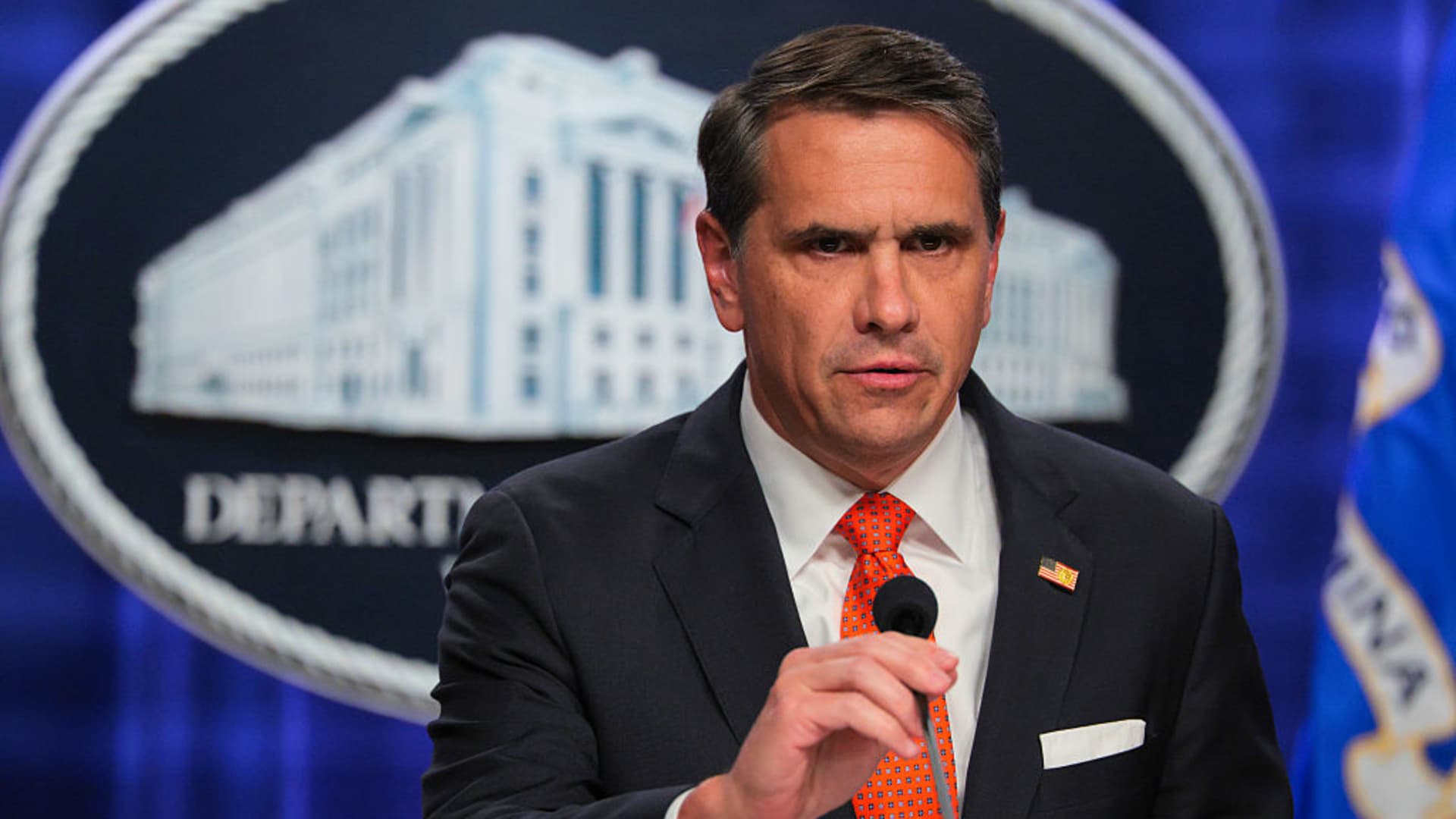
President Trump is considering delaying Todd Blanche's Attorney General nomination until after senators John Cornyn and Thom Tillis leave office. The move follows a standoff over concerns regarding a controversial DOJ settlement involving the president's tax lawsuit.
The Standoff Over the Attorney General Nomination
The nomination of Todd Blanche as U.S. Attorney General has reached a critical impasse, highlighting a deepening rift within the Republican Party. President Donald Trump, frustrated by the lack of consensus, has publicly floated the strategy of temporarily withdrawing Blanche’s nomination. This maneuver is specifically designed to bypass the opposition of two key Republican senators, John Cornyn and Thom Tillis, who have acted as holdouts against the confirmation process.
The Role of the Senate Judiciary Committee
The Senate Judiciary Committee currently holds the power to advance or stall the nomination. By postponing the vote, the committee has effectively signaled that the internal party dissent is significant enough to prevent Blanche from moving forward in the near term. This delay underscores the traditional role of the Senate as a check on executive appointments, even when the president enjoys a strong mandate within his own party.
Roots of the Controversy: The IRS Lawsuit Settlement
At the heart of the friction is the Department of Justice’s handling of a lawsuit involving President Trump’s personal tax affairs and the IRS. Senators Cornyn and Tillis have expressed significant reservations regarding the settlement terms, which they view as problematic. Their refusal to back Blanche is not merely a procedural delay but a substantive critique of how the administration is managing legal conflicts of interest and the integrity of the Department of Justice.
Strategic Maneuvering and Future Implications
President Trump’s suggestion to wait until after the current legislative session concludes—when Cornyn and Tillis are slated to leave office—reveals a high-stakes legislative strategy. By waiting for a more favorable composition of the Senate, the administration hopes to secure an easier path to confirmation. However, this approach risks alienating institutionalist members of the GOP who view the vetting process as a non-negotiable aspect of senatorial duty.
Historical Precedent and Executive Power
This situation echoes historical power struggles between the White House and the Senate regarding cabinet-level appointments. When a president attempts to bypass internal opposition by waiting for turnover, it often sets a precedent that prioritizes executive loyalty over the deliberative process. As Cornyn’s public rebuttal on X indicates, the senators remain firm in their conviction that their concerns regarding the IRS settlement are valid and necessary for oversight.
Conclusion: A Test of Party Unity
The standoff over Todd Blanche serves as a barometer for current political tensions within the Republican caucus. Whether President Trump proceeds with the withdrawal or manages to bridge the gap with the holdouts remains to be seen. The outcome will likely define the relationship between the executive branch and the Senate Judiciary Committee for the remainder of this term.