Scuba divers thought they rarely touched reefs. Observers found damage
Source Entity
TOI SCIENCE DESK
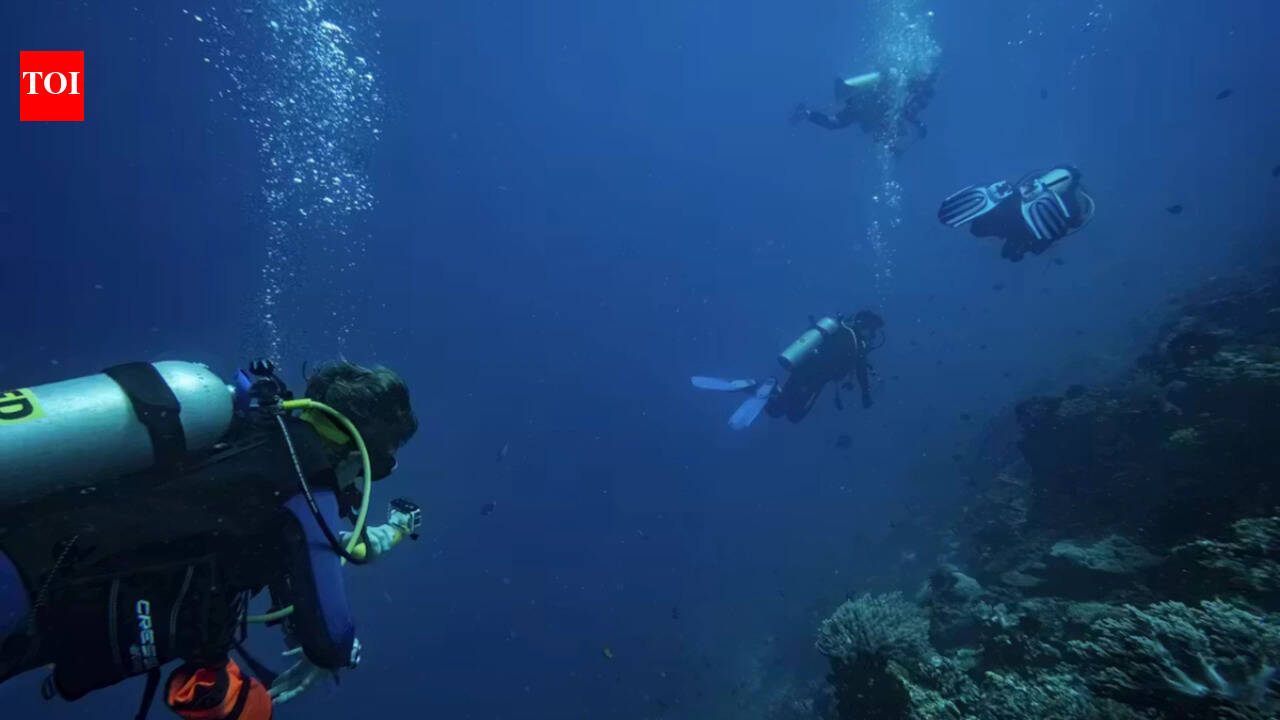
New research reveals a significant gap between scuba divers' perceptions of their environmental impact and the reality of reef damage. Studies show divers touch reefs every four minutes, causing visible harm to coral ecosystems despite believing they are careful.
The Hidden Cost of Recreational Diving
Recent scientific findings have brought a troubling reality to light regarding recreational scuba diving and its impact on fragile marine ecosystems. While scuba diving is often promoted as an eco-conscious way to experience the ocean, research indicates a stark disparity between a diver’s perception of their own behavior and the actual physical damage inflicted upon reefs. Observers tracking hundreds of tourists discovered that more than 40 percent of physical contacts between divers and the seabed resulted in visible injury to living coral structures.
The Perception Gap: Overconfidence Underwater
The core of this issue lies in a psychological phenomenon of overconfidence. When surveyed after their dives, participants consistently underestimated the frequency of their physical interactions with the reef. Despite many divers believing they rarely touch the seabed, data indicates an average contact frequency of once every four minutes. This disconnect suggests that many divers are either unaware of their buoyancy control failures or are simply not conscious of the subtle impacts their gear and fins have on the delicate topography of the reef.
Ecological Consequences of Physical Contact
Coral reefs are slow-growing, highly sensitive ecosystems where even minor physical trauma can lead to significant long-term decay. When a diver causes damage, they are not merely scratching the surface; they are potentially breaking brittle coral branches, crushing polyps, or stirring up sediment that can smother local marine life. In locations like the coral restoration site in Bali, Indonesia, such damage is particularly counterproductive, as it undermines the very efforts intended to rehabilitate degraded reef environments.
The Role of Social Cues and Marine Tourism
The study highlights that social dynamics and the desire for 'big marine encounters' may drive risky behavior. When divers are focused on capturing the perfect photograph or getting close to charismatic megafauna, their awareness of their physical footprint often diminishes. As marine tourism continues to expand, the pressure on these ecosystems grows, necessitating a shift in how diving is taught, managed, and regulated to protect biodiversity hotspots.
Future Trends and Practical Mitigation
To address this, the industry must move toward more rigorous buoyancy training and stricter enforcement of 'no-touch' policies. Marine tourism operators are being encouraged to implement practical steps, such as smaller group sizes and mandatory pre-dive briefings that emphasize the environmental impact of physical contact. By bridging the gap between diver perception and reality through education and better monitoring, the industry can work toward a more sustainable model that preserves the reefs for future generations.
Conclusion
The evidence provided by marine scientists serves as a critical wake-up call for the diving community. Recognizing that unconscious damage is a systemic issue is the first step toward behavioral change. As we move forward, the integration of scientific observation into recreational diving practices will be essential to ensuring that our curiosity about the underwater world does not lead to its destruction.