6 orphaned rhinos rescued from poachers have all given birth in the wild
Source Entity
TOI WORLD DESK
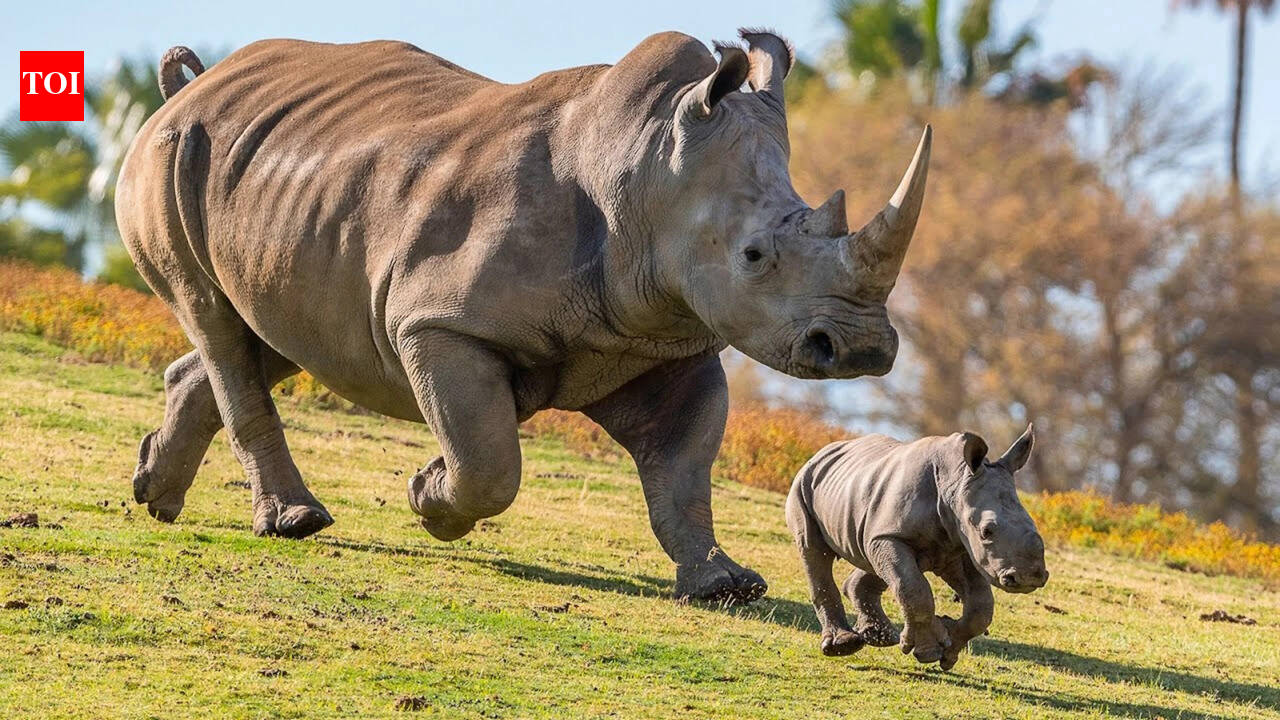
Six rhinos orphaned by poachers in South Africa have successfully returned to the wild and given birth to healthy calves. This milestone marks a significant victory for conservationists and highlights the efficacy of long-term rehabilitation programs.
A Triumph for Rhino Conservation in South Africa
In a remarkable display of ecological resilience, six rhinos that were orphaned by poachers in 2017 have achieved a significant milestone by successfully giving birth in the wild. These animals, who lost their mothers to illegal poaching activities in South Africa’s KwaZulu-Natal province, were rescued as helpless calves and underwent a rigorous, years-long rehabilitation process under the care of dedicated experts. The fact that every single one of these survivors has now produced a healthy calf in their natural habitat serves as a profound testament to the success of intensive wildlife rescue and rewilding initiatives.
The Long Road to Rehabilitation
The journey from rescue to rewilding is an arduous one, often spanning up to five years of specialized care. Orphaned rhinos require not only physical nourishment but also social and behavioral development to survive without their mothers. By nursing these calves until they were mature enough to navigate the complexities of the wild, caregivers at Ezemvelo KZN Wildlife ensured these animals developed the necessary survival instincts. This period of maturation is critical, as it bridges the gap between captive dependency and the autonomy required for a rhino to thrive in a competitive, natural environment.
Addressing the Poaching Crisis
The initial trauma inflicted upon these rhinos—the loss of their mothers to poachers—reflects a broader, systemic threat that continues to plague biodiversity in Africa. Criminologists and wildlife authorities have long noted that poaching is not merely an environmental concern but a complex criminal enterprise that requires multi-faceted intervention. By rehabilitating these victims and enabling them to contribute to the population, conservationists are effectively countering the negative impacts of illegal poaching, proving that targeted conservation efforts can mitigate the damage caused by human interference.
Ecological Significance of Rhino Populations
Rhinos are considered keystone species, playing a pivotal role in maintaining the health of their ecosystems. Through their grazing habits and movement patterns, they help shape the landscape, which in turn supports a diverse array of other flora and fauna. The return of these six rhinos to the breeding population is not just a win for the species itself, but a vital boost to the biodiversity of KwaZulu-Natal. Their presence helps maintain the equilibrium of their habitat, reinforcing the necessity of protecting megafauna to ensure broader environmental stability.
Future Implications for Conservation Policy
This landmark success provides a blueprint for future wildlife recovery programs globally. It demonstrates that with sufficient resources, patience, and scientific oversight, it is possible to reintegrate orphaned animals into the wild successfully. As these new calves grow, they will continue to bolster the rhino population, potentially creating a positive feedback loop for the species' recovery. This story serves as a beacon of hope for conservationists, highlighting that while the threats to endangered species remain severe, the commitment to rehabilitation and protection can yield tangible, life-affirming results.