Manipur needs honest reckoning
Source Entity
Latest News: Todays Latest News Headlines from India & World | Hindustan Times | Hindustan Times
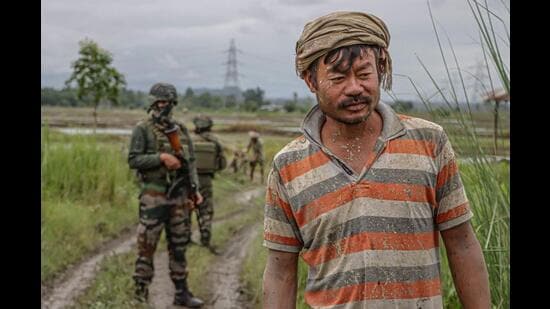
Manipur faces a deepening humanitarian and security crisis as inter-community violence persists three years after initial clashes. Current government strategies, including heavy militarization and reactive blockades, have failed to achieve sustainable peace or reconciliation.
The Deepening Crisis in Manipur: A Failure of Governance
The ongoing volatility in Manipur represents a profound failure of both state and central governance, characterized by the persistence of inter-community hostilities that have effectively paralyzed the region. Three years after the initial outbreak of violence, the state remains trapped in a cycle of unrest that defies simple resolution. The current situation is not merely a series of isolated incidents but a systemic breakdown of social cohesion that demands an honest, comprehensive reckoning rather than the piecemeal, reactive policies currently in place.
The Failure of Militarization
For too long, the primary response from the administration has been a securitized approach, relying heavily on the deployment of additional security forces to quell unrest. However, the evidence suggests that this strategy has yielded minimal success in restoring order. By focusing almost exclusively on military presence, the government has neglected the underlying socio-political grievances that fuel the conflict, leading to a state where peace is enforced through temporary measures rather than established through genuine dialogue.
Escalating Economic Warfare
The situation has deteriorated further with the emergence of retaliatory economic blockades. The recent indefinite counter-economic blockade launched by Kuki-Zo groups on the highway connecting Manipur to Nagaland highlights how economic infrastructure is being weaponized in this conflict. This move, triggered by the prior blockade from Naga and Meitei groups following the tragic killing of six Naga hostages, demonstrates the dangerous 'tit-for-tat' dynamic that has become the hallmark of the current impasse.
The Need for Political Reconciliation
To move beyond this state of perpetual emergency, the Centre and the state must move away from patchwork initiatives. The primacy of law cannot be re-established through force alone; it requires a concerted effort to bring all stakeholders to the negotiating table. Without an inclusive political process that addresses the root causes of the inter-community distrust, the state will continue to suffer from the smoldering embers of violence that threaten to ignite at any moment.
Future Implications and Conclusion
If the current trajectory continues, Manipur risks long-term social fragmentation and economic isolation. The reliance on blockades not only exacerbates the humanitarian crisis for the local population but also signals a complete breakdown of inter-community trust. The path forward requires a shift toward honest, transparent engagement, prioritizing the restoration of the rule of law through political mediation rather than reliance on a securitized status quo that has proven ineffective over the last three years.
Verification Required?