Rare video shows Andean bear entering river in Bolivia watershed
Source Entity
TOI WORLD DESK
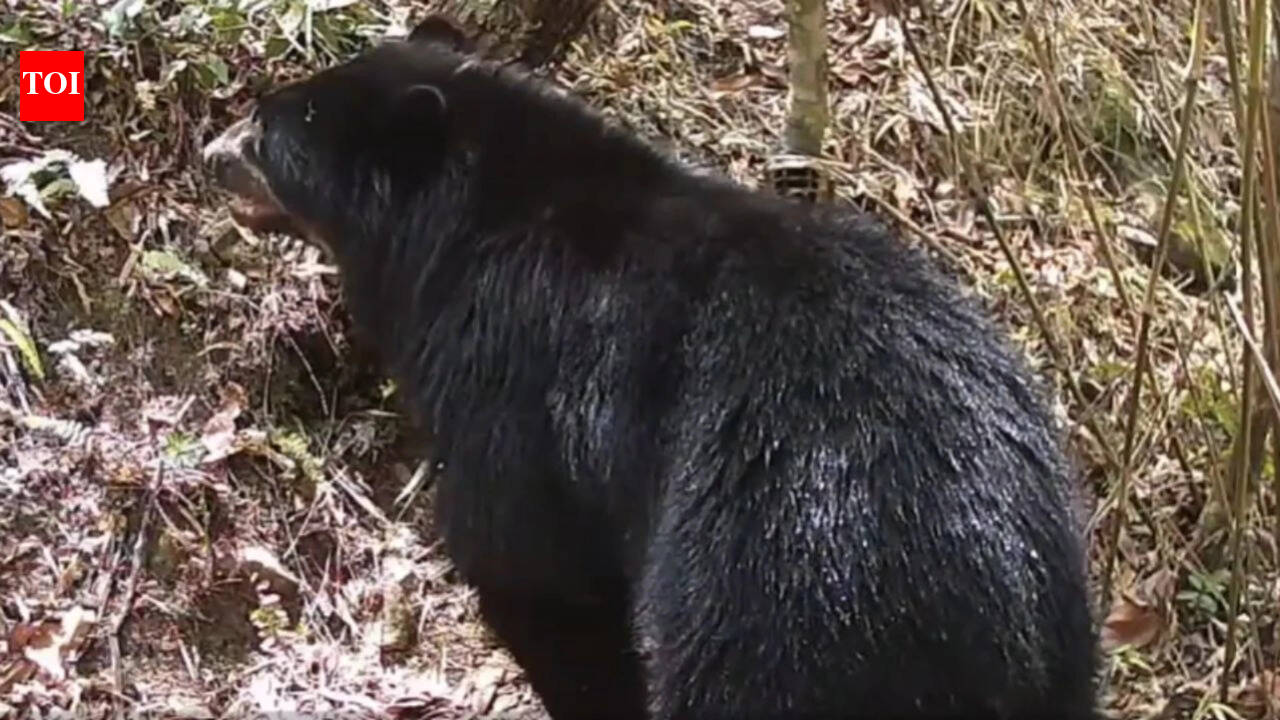
A rare Andean bear was recently captured on camera near Bolivia's Parapetí River, confirming the species' continued presence in the area. This sighting highlights the vital connection between preserving endangered wildlife habitats and protecting essential water sources.
A Rare Glimpse of the Andean Bear in Bolivia
Conservationists have recently received a rare and encouraging update regarding the Andean bear, locally known as the jukumari. A camera trap installed near the headwaters of Bolivia's Parapetí River captured footage of the bear entering the water, providing concrete evidence that this elusive species continues to inhabit these protected forest regions. As the only bear species native to South America, the jukumari serves as a critical indicator of ecosystem health, and its presence confirms that the local Chaco landscape remains a viable habitat.
The Ecological Significance of the Parapetí Watershed
The Parapetí River headwaters are not merely a home for the jukumari; they represent a vital hydrological artery for the region. The intersection of wildlife conservation and water resource management is profound in this area. By protecting the forest cover required by the Andean bear, conservation organizations like Fundacion Natura Bolivia are simultaneously securing the integrity of the watershed. This symbiotic relationship ensures that the river continues to provide clean water to downstream communities while maintaining the biodiversity necessary for the bear’s survival.
Understanding the Jukumari's Status
The jukumari is currently classified as a vulnerable species, making every documented sighting an essential data point for researchers. Because these bears are solitary and occupy vast, often rugged territories, they are notoriously difficult to track. The recent video footage is a triumph for remote monitoring technology, which allows scientists to observe animal behavior without human interference. This non-invasive approach is crucial for understanding the movement patterns and habitat requirements of a species that is frequently threatened by deforestation and human encroachment.
Challenges to Habitat Connectivity
Despite the optimism surrounding this sighting, the broader context remains challenging. The fragmentation of the Andean forests poses a significant risk to the long-term survival of the jukumari. As agricultural and industrial expansion continues to push into previously untouched areas, the connectivity between headwater forests becomes increasingly fragile. The fact that this bear was observed in a protected area underscores the necessity of maintaining strict conservation zones that allow for the migration and breeding of such wide-ranging mammals.
Future Trends in Andean Conservation
Moving forward, the focus must remain on landscape-scale conservation. The success of the current monitoring efforts suggests that continued investment in camera trap technology and local forest protection will yield vital insights into the species' population density. Future trends will likely emphasize the creation of biological corridors that link fragmented habitats, ensuring that the jukumari can traverse the landscape safely. Ultimately, the survival of this rare bear is inextricably linked to our ability to value and protect the natural watersheds of South America, which serve as the lifeblood for both wild creatures and human populations.