College lab class ends with 32 people on antibiotics for deadly germ exposure
Source Entity
Beth Mole
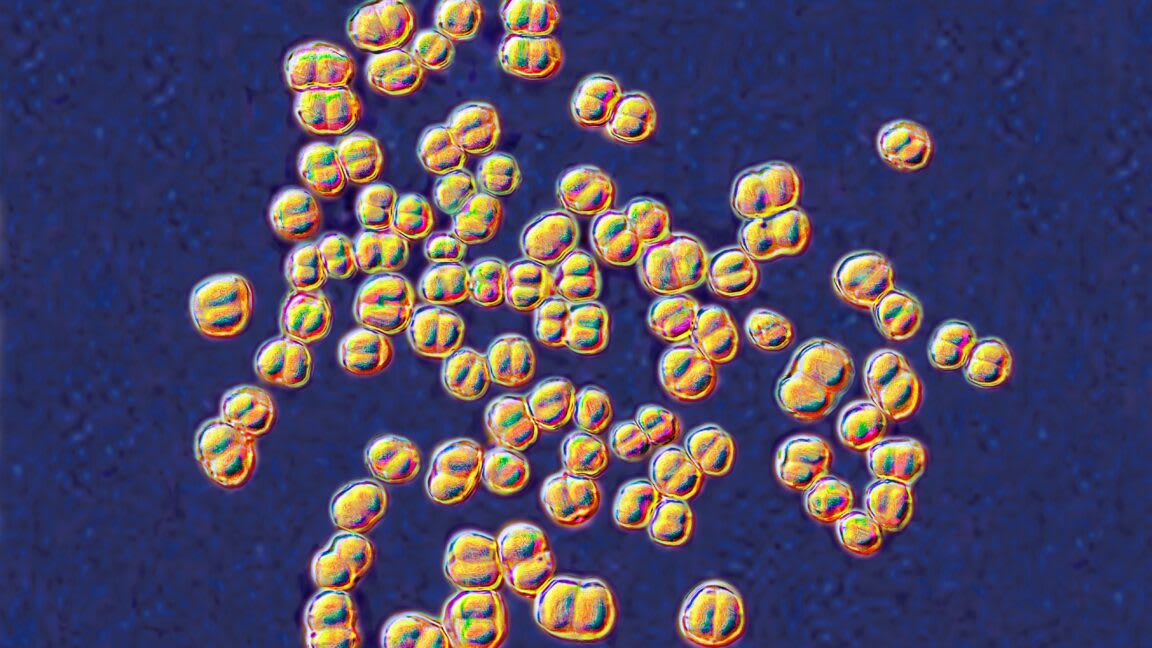
A college microbiology class mistakenly identified a harmless bacteria as a deadly pathogen, leading to unnecessary antibiotic treatments for 32 people. The incident highlights critical failures in laboratory safety protocols and diagnostic training.
The Perils of Misidentification in Microbiology
A recent report in the Morbidity and Mortality Weekly Report (MMWR) details a startling incident at a college microbiology lab where a routine educational exercise spiraled into a public health scare. Thirty-three individuals, including students, instructors, and laboratory staff, were caught in a chain of events that led them to believe they had been exposed to a lethal pathogen. This incident serves as a stark reminder of the gravity inherent in clinical diagnostics and the potential for panic when procedural errors occur.
The Anatomy of a Laboratory Error
The crisis originated during a standard laboratory assignment where students were tasked with identifying mystery bacterial samples. The curriculum intended for the students to work with a benign microorganism; however, a misidentification occurred, leading the cohort to conclude they were handling a highly dangerous, life-threatening pathogen. The psychological and physiological impact was immediate, as the perceived threat triggered an emergency response involving medical prophylaxis for nearly the entire group.
Medical Interventions and Precautions
Following the erroneous identification, 32 of the 33 individuals involved commenced a rigorous antibiotic regimen as a precautionary measure to stave off potential infection. The situation escalated further when two participants developed mild symptoms that prompted clinicians to perform lumbar punctures, also known as spinal taps. These invasive diagnostic procedures underscore the severity of the perceived risk and the high stakes of medical decision-making under conditions of extreme uncertainty.
The Reality of the Risk
Despite the alarm and the subsequent medical interventions, the final analysis revealed that none of the participants had been exposed to any dangerous pathogen. The 'deadly' germ was, in fact, a benign substitute, rendering the entire ordeal a case of mistaken identity. While the outcome was physically harmless in terms of pathogen exposure, the event highlights a significant failure in the verification processes that should exist within academic laboratory settings to prevent such life-altering mistakes.
Broader Implications for Laboratory Safety
This incident is a cautionary tale regarding the necessity of rigorous quality control in educational environments. When students are learning the foundational skills of microbiology, the margin for error must be strictly managed. The reliance on accurate labeling and instructor oversight is paramount, as the consequences of a 'simple' misidentification can lead to unnecessary medical procedures, significant psychological distress, and the potential misuse of antibiotics, which contributes to the global challenge of antimicrobial resistance.
Conclusion: Lessons Learned
The documented event serves as a critical case study for academic institutions to re-evaluate their safety protocols. By bridging the gap between theoretical lab exercises and real-world clinical consequences, institutions can better prepare students to handle diagnostic challenges with precision and caution. Ultimately, while this event resulted in no long-term physical harm, it underscores the necessity of maintaining robust safety standards to ensure that academic curiosity does not lead to unnecessary medical crises.