Saudi Arabia's dilemma as it tries to stay out of US-Iran war
Source Entity
BBC News
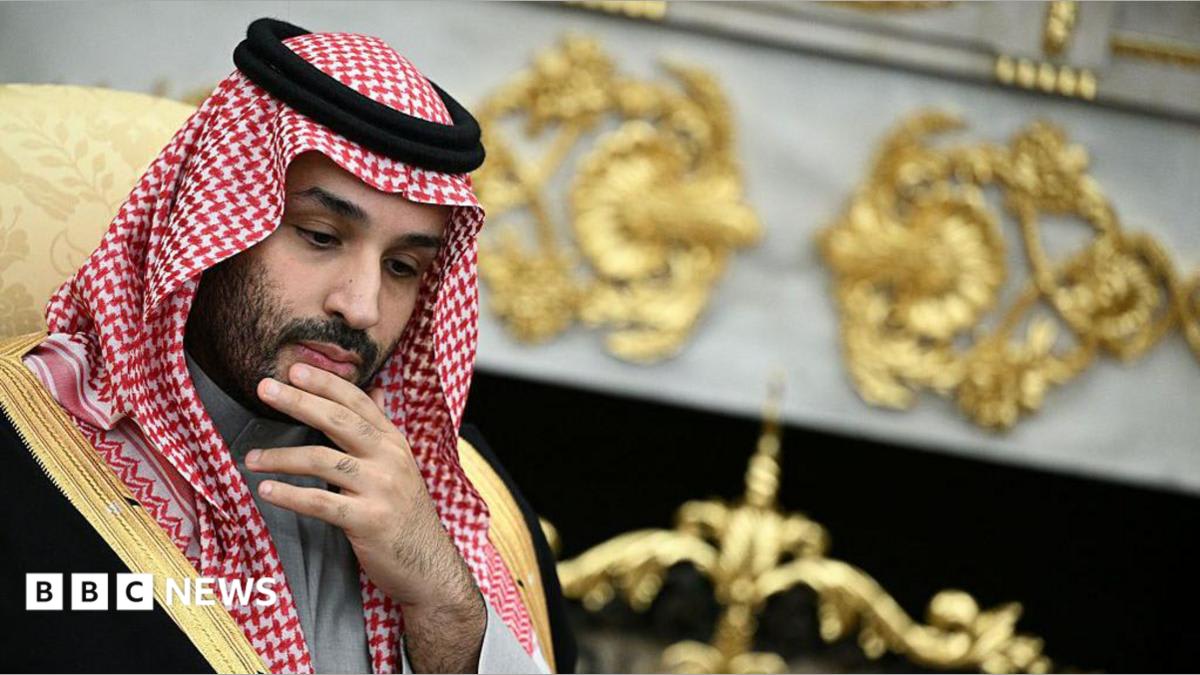
Saudi Arabia is navigating a precarious geopolitical shift following recent attacks by Iranian-backed proxies. The Kingdom faces a strategic choice between military deterrence and diplomatic de-escalation to preserve its regional stability.
The Saudi Strategic Dilemma in a Widening Conflict
Saudi Arabia currently finds itself at a critical geopolitical crossroads as the conflict between the United States, Israel, and Iran spills over into its borders. Since the onset of hostilities on February 28, the Kingdom has attempted to maintain a policy of neutrality to protect its internal security and economic ambitions. However, the intensification of regional instability has forced Riyadh to reconsider its passive stance as it becomes increasingly targeted by hostile actors.
The Erosion of Neutrality
The Kingdom’s efforts to remain insulated from the conflict have been undermined by persistent aggression from Iranian-backed proxy militias. After suffering attacks from three distinct fronts, Saudi authorities have determined that silence is no longer a viable security strategy. The recent shift to offensive action, marked by joint military strikes with the United States against militias in Iraq, signals a departure from the Kingdom’s previous restraint, reflecting a hardening of its defensive posture against drone incursions.
The Calculus of Deterrence vs. Diplomacy
Riyadh is now grappling with a fundamental strategic dilemma: whether to continue a policy of active military deterrence or to pursue a path of de-escalation. Deterrence carries the risk of deepening the Kingdom’s involvement in a broader regional war, potentially making it a primary target for further Iranian retaliation. Conversely, de-escalation through diplomatic channels or financial concessions—often referred to as 'paying off' adversaries—could offer a temporary reprieve but may embolden the militias to demand more in the future.
Regional Power Dynamics and Proxy Warfare
This conflict is deeply rooted in the long-standing tensions between Iran and its regional rivals. By utilizing proxy militias in neighboring Iraq, Iran has successfully complicated the security landscape for the Gulf states, forcing them to engage in an asymmetric war where traditional borders offer little protection. The use of drones as a primary tool of warfare highlights the technological challenges Saudi Arabia faces in securing its airspace against non-state actors who operate with significant external backing.
Future Implications and Regional Stability
The choices made by the Saudi leadership in the coming weeks will likely dictate the trajectory of the Gulf’s stability for the foreseeable future. If Riyadh continues to lean into military cooperation with the United States to degrade proxy capabilities, it may secure its immediate borders but at the cost of being permanently tethered to the U.S.-Israel-Iran conflict. Alternatively, a move toward regional de-escalation would represent a significant pivot, requiring complex negotiations with adversaries that have historically sought to undermine Saudi influence.
Conclusion
Ultimately, Saudi Arabia's ability to navigate this crisis will depend on its capacity to balance immediate security requirements with long-term regional stability. As the Kingdom weighs the costs of kinetic engagement against the risks of diplomatic compromise, the world watches to see if this pivot toward active defense will escalate into a wider regional conflagration or serve as a necessary step toward establishing a new, albeit fragile, equilibrium.