Zelensky and Netanyahu meet Trump as wars in Ukraine and Iran drag on
Source Entity
BBC News
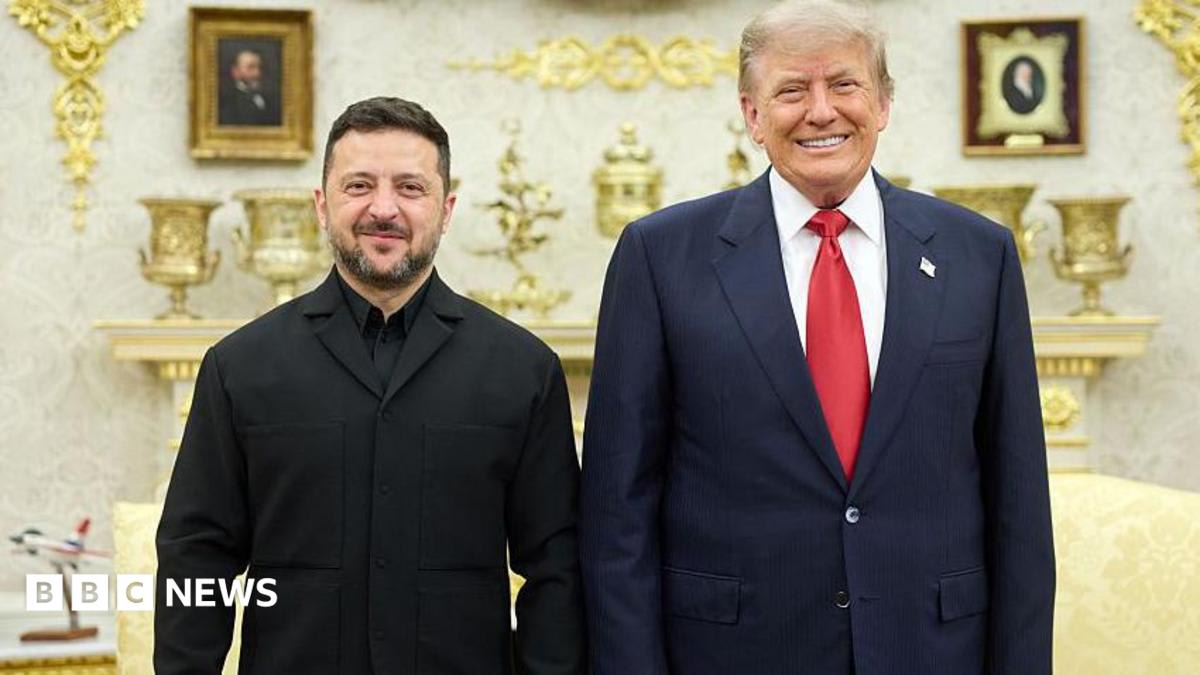
President Trump and Prime Minister Netanyahu met at the White House to discuss the Iran conflict and alleged nuclear intelligence. Meanwhile, the convergence of the Iran and Ukraine wars creates a complex geopolitical landscape for U.S. foreign policy.
The High-Stakes Washington Summit
The recent meeting between U.S. President Donald Trump and Israeli Prime Minister Benjamin Netanyahu marks a critical juncture in the ongoing conflict with Iran. Following the launch of military operations, the two leaders convened at the White House to align their strategies. While Israeli officials publicly touted the "excellent chemistry" between the two leaders, describing the interaction as one of the best, the underlying geopolitical friction regarding the scope and endgame of the Iran war remains palpable.
Intelligence and the 'Pickaxe' Dossier
Central to these high-level discussions is the presentation of intelligence concerning Iran’s alleged nuclear infrastructure. Reports indicate that Netanyahu has prepared a "top-secret" dossier, colloquially referred to as the Pickaxe dossier, which claims renewed nuclear activity at the Pickaxe Mountain facility. This intelligence serves as a cornerstone for Israel’s argument for continued military pressure, standing in direct opposition to Tehran’s firm stance that it will not abandon its nuclear rights or capitulate to external pressure.
Shifting Strategic Objectives
Despite the "positive and productive" framing of the talks by the White House, the strategic objectives of the U.S. and Israel appear to be in a state of delicate flux. President Trump has reportedly paused airstrikes against Iran, signaling a temporary pivot toward diplomatic channels. This pause suggests a desire to manage escalation, even as Netanyahu continues to emphasize the existential threat posed by Iranian missile and drone programs.
The Convergence of Global Conflicts
Adding layers of complexity to this summit is the impending meeting between President Trump and Ukrainian President Volodymyr Zelenskyy. The Iran war and the Russian invasion of Ukraine are no longer isolated theaters; they are increasingly showing signs of convergence. With Kyiv recently targeting Iranian assets, the theaters of conflict are beginning to overlap, forcing the U.S. to balance support for Ukraine against the volatility of the Middle East.
Future Trends and Geopolitical Stability
Looking ahead, the administration's challenge lies in managing these two distinct but intersecting fronts. The potential for a U.S. ground operation in Iran remains a subject of intense speculation, contingent upon the credibility of the intelligence presented by Israel. As both the Iran and Ukraine conflicts reach critical junctures, the diplomatic pressure on the White House to prevent a wider, multi-front war will only increase. The outcome of these meetings will likely dictate the trajectory of U.S. foreign policy for the remainder of the term.
Multiple Citing Sources