Six Iranian advisers killed in US-Saudi strike on Iraq: All you need to know
Source Entity
The Indian Express
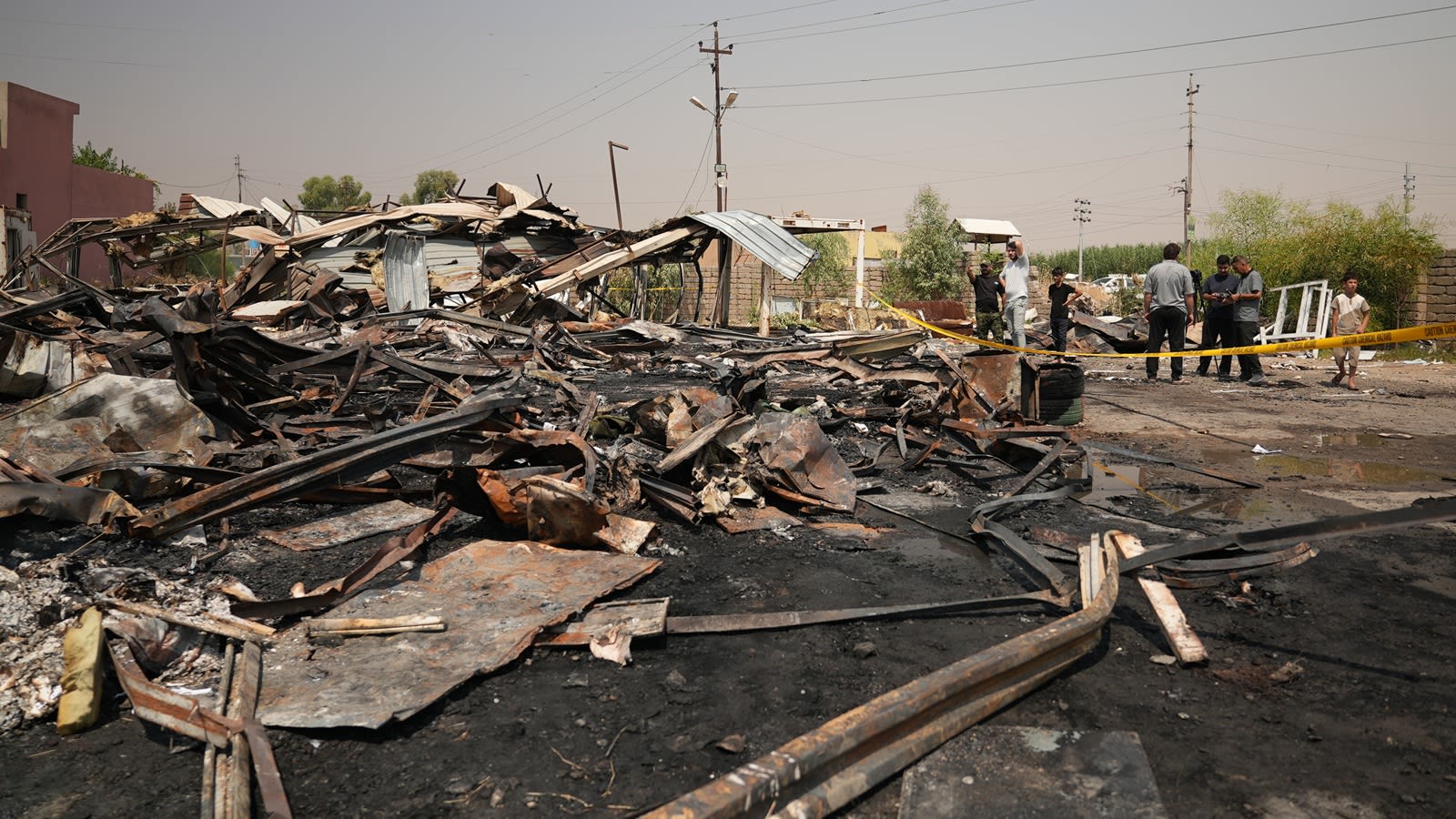
A joint US-Saudi airstrike on a Popular Mobilization Forces base in Mosul has killed at least 20 people, including six Iranian advisers. This escalation follows persistent drone attacks on American and Saudi infrastructure, threatening to trigger a wider regional conflict.
Escalation in the Middle East: The Mosul Strikes
The recent joint military operation conducted by the United States and Saudi Arabia against Popular Mobilization Forces (PMF) bases in Mosul, Iraq, represents a significant escalation in regional hostilities. By targeting militias backed by Iran, this offensive has resulted in at least 20 deaths, a toll that includes six Iranian advisers. This event marks a critical turning point in a conflict that has seen a volatile cycle of drone attacks against U.S. forces and Saudi oil infrastructure, effectively opening a new, high-stakes front in the Middle East.
The Geopolitical Impetus
The strike, which President Donald Trump confirmed was coordinated with the Iraqi government, serves as a direct response to the persistent threat posed by Iran-backed groups. These militias have been blamed for repeated drone strikes that have jeopardized both American military personnel and vital Saudi energy assets. The involvement of Saudi Arabia alongside the U.S. signals a deepening of the strategic alliance between Washington and Riyadh, aimed at curbing Iranian influence in Iraq and securing critical regional infrastructure.
Strategic Risks and Military Readiness
The decision to engage in such high-intensity strikes carries profound implications for global stability and military logistics. There is growing concern that the current pace of operations is straining the U.S. military’s supply chain, specifically regarding the depletion of sophisticated munitions. As the conflict intensifies, the necessity to maintain stockpiles for the defense of regional bases and key allies remains a top priority for defense planners, a task becoming increasingly difficult amidst the current operational tempo.
Domestic and Regional Reactions
While the U.S. administration frames the action as a necessary defensive measure, the reaction from within Iraq has been sharp, reflecting the internal political friction regarding foreign military presence on Iraqi soil. Iran has predictably condemned the actions, accusing both Washington and Riyadh of deliberately expanding the theater of war. This rhetoric suggests that the situation is moving beyond localized skirmishes toward a broader, more dangerous regional confrontation that threatens to destabilize an already fragile geopolitical landscape.
Economic and Global Impact
The conflict has already caused significant jolts to the global economy, primarily due to the threat to energy infrastructure. The five-month-long instability has created a climate of uncertainty that affects everything from global oil markets to international shipping lanes. As the world watches, the prospect of a return to all-out war looms, with the potential for further economic disruptions that could impact both the U.S. domestic market and the broader international community.
Future Trends and Outlook
Looking ahead, the trajectory of this crisis remains highly unpredictable. The coordination between the U.S. and Saudi Arabia suggests a more unified front against Iranian-aligned proxies, yet the cost of this policy is the potential for a prolonged, multi-front engagement. Analysts are closely monitoring whether this latest strike will serve as a deterrent or, conversely, as a catalyst for a sustained increase in militia activity. Ultimately, the ability of all parties to de-escalate will determine whether this incident remains a contained operation or spirals into a wider, uncontrollable regional conflagration.
Multiple Citing Sources