Research roundup: 6 cool science stories we almost missed
Source Entity
Jennifer Ouellette
Recent scientific research highlights diverse discoveries, ranging from bio-hybrid robotics and stellar astronomy to historical forensic analysis of ancient civilizations. These studies offer new insights into both modern technological potential and the complex lives of historical figures.
Bridging Biology and Technology: The Rise of Cyborg Insects
Recent scientific inquiries have pushed the boundaries of bio-hybrid engineering by outfitting cockroaches with specialized suits designed for aquatic navigation. This development, labeled as 'cyborg diving suits,' aims to enable these resilient insects to traverse flooded terrain, potentially serving as biological sensors in disaster relief or search-and-rescue operations where traditional robotics might fail. By leveraging the cockroach’s natural mobility and combining it with protective, buoyant hardware, researchers are exploring how nature-inspired robotics can navigate complex, unpredictable environments.
Astrophysical Mysteries: The Betelgeuse Companion
Beyond Earth, astronomers have uncovered compelling evidence regarding the red supergiant Betelgeuse, one of the most studied stars in the night sky. Long a subject of fascination due to its erratic dimming and eventual supernova potential, new data suggests the star may host a companion star. This discovery is significant because the gravitational interaction between a primary star and its companion can drastically influence mass loss, stellar evolution, and the eventual mechanism of a supernova explosion, providing a clearer picture of how massive stars end their life cycles.
Forensic Re-evaluations of History
Scientific methodologies are increasingly being applied to historical cold cases, yielding surprising results that challenge long-held narratives. For example, recent forensic analysis has confirmed that a Medici duke, historically suspected of being a victim of poisoning, actually succumbed to malaria. This shift in understanding illustrates how modern pathology can rectify historical inaccuracies, stripping away political legends to reveal the biological realities of the past. Similarly, the study of ancient Egyptian remains has provided evidence that some princesses were skilled archers, suggesting that royal women in antiquity played more active and physically demanding roles than previously documented in traditional gender-focused historiography.
Ritual and Mortality in Ancient Civilizations
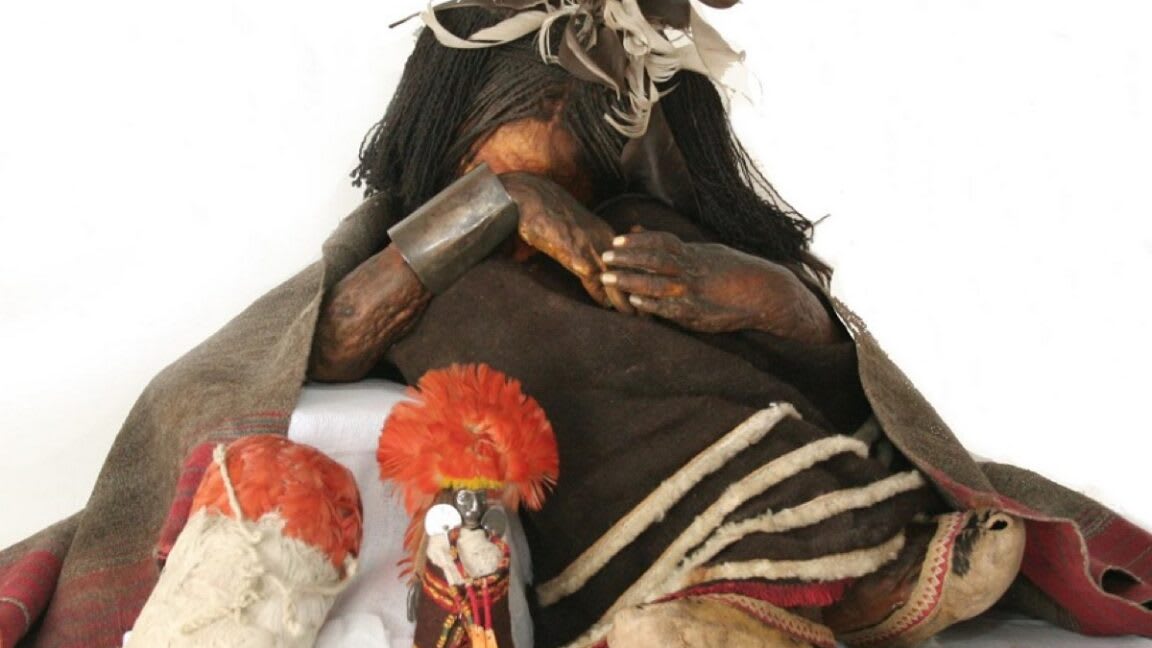
In the realm of bioarchaeology, the investigation into Incan human sacrifice rituals continues to provide grim but vital data. Evidence regarding an Incan boy found to have died from blunt force trauma serves as a stark reminder of the complex, often violent religious practices of the Incan Empire. By analyzing skeletal remains, researchers can reconstruct the final moments of these individuals, offering insight into the social, political, and spiritual motivations behind state-sanctioned rituals that defined the Incan worldview.
Marine Biology: The Secret Life of Whales
Finally, the behavior of sperm whales has come into sharper focus, particularly regarding their tendency to blow bubbles while sleeping. This curious behavior, observed by researchers, likely serves a functional purpose, potentially linked to communication or metabolic management during periods of deep rest. Understanding these behavioral nuances is essential for marine conservation efforts, as it highlights the complex cognitive and social lives of these apex ocean predators.
Conclusion: The Value of Niche Discovery
While major headlines often dominate the scientific discourse, the aggregation of these diverse findings underscores the importance of interdisciplinary research. From the structural integrity of ancient bones to the orbital dynamics of distant stars, these discoveries collectively expand our understanding of the universe and our place within it. By revisiting historical assumptions and pushing the limits of current technology, science continues to refine our collective knowledge, proving that even the most niche stories hold profound implications for humanity.