Why Kerala is witnessing a decline in winter migratory birds
Source Entity
India Latest News: Top National Headlines Today & Breaking News | The Hindu
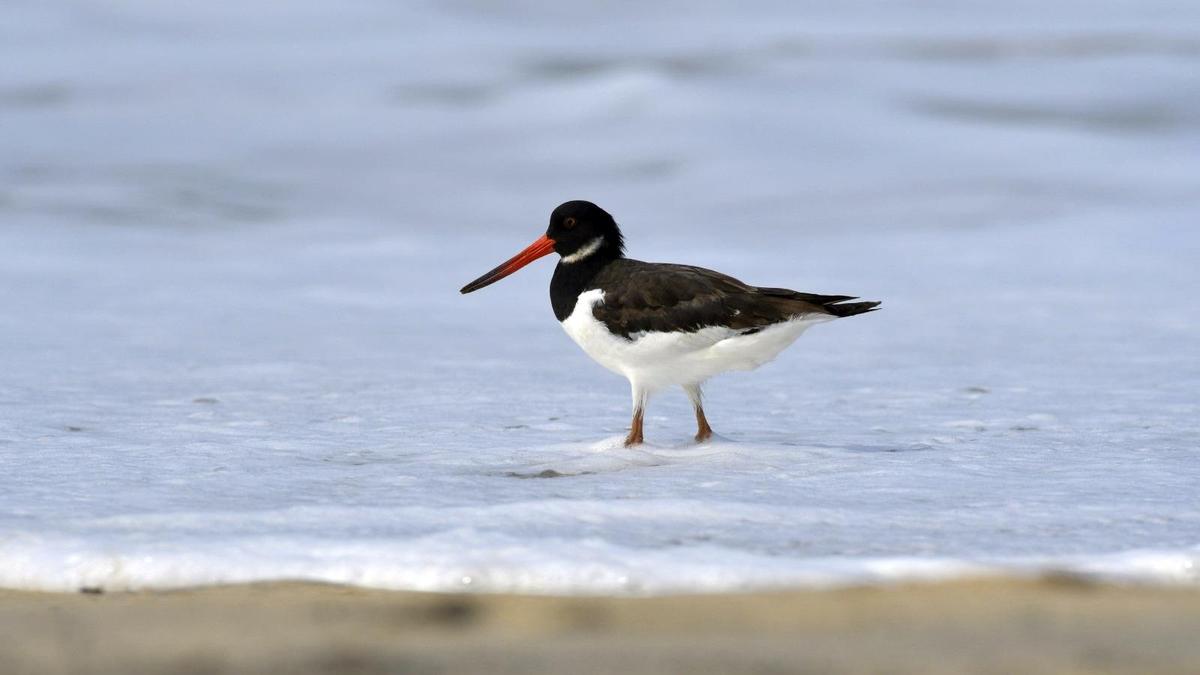
Scientific surveys indicate a concerning decline in migratory bird populations wintering in Kerala. Climate change and habitat degradation are identified as the primary drivers behind this ecological shift.
The Silent Skies: Analyzing Kerala's Migratory Bird Decline
For decades, the state of Kerala has served as a vital winter sanctuary for avian species traveling thousands of kilometers from the Arctic, northern Eurasia, and the wetlands of Central Asia. This annual migration, spanning from August to March, represents a critical ecological phenomenon where species such as the Greater Sand Plover, Tibetan Sand Plover, Northern Pintail, and Garganey rely on the state’s diverse coastal and wetland ecosystems. However, recent long-term surveys and systematic bird censuses have signaled a alarming trend: the numbers of these migratory visitors are steadily falling.
The Impact of Climate Change on Avian Cycles
The fundamental driver of this decline appears to be the shifting global climate, which disrupts the delicate timing of migration. Migratory birds are highly sensitive to temperature fluctuations and seasonal changes in their breeding grounds. As climate change alters the availability of food and the suitability of nesting sites in the Arctic and Central Asia, the biological clocks and survival strategies of these birds are being tested. When the environmental cues that trigger migration are disrupted, the resulting population drop observed in Kerala becomes a direct indicator of broader ecological instability.
Habitat Degradation and Local Vulnerability
Beyond global climate trends, localized habitat degradation poses an immediate threat to these avian travelers. The wetlands of Pavumba and the sandy stretches of Vellanathuruthu in Kollam serve as crucial stopover and wintering points for these species. When these specific waterbodies and coastal zones face encroachment, pollution, or land-use changes, the birds lose the essential resources required for refueling after their grueling journeys. The loss of these habitats reduces the 'carrying capacity' of the region, forcing birds to either bypass Kerala entirely or succumb to increased mortality rates.
Scientific Implications and Longitudinal Data
The reliance on long-term data sets and birdwatcher observations provides a robust foundation for these findings. By comparing historical census data with current counts, researchers are able to quantify the decline with precision. This scientific consensus underscores the need for localized conservation efforts that prioritize the preservation of wetlands and coastal ecosystems. Without targeted intervention, the ecological services these birds provide—such as pest control and the maintenance of wetland health—could be permanently lost to the region.
Future Trends and Conservation Outlook
Looking ahead, the trend of declining migratory populations is likely to persist unless significant strides are made in habitat restoration and climate mitigation. The future of these species depends on the connectivity of their migration corridors. If the specific ecological niches in Kollam and other parts of Kerala continue to shrink, we may see a permanent shift in migration patterns, leading to a loss of biodiversity that has defined the state’s winter landscape for generations. Protecting these birds requires a holistic approach that balances human development with the preservation of critical environmental lifelines.
Verification Required?