Andhra Pradesh to bring gaurs from central India to feed Nallamala’s tigers
Source Entity
India Latest News: Top National Headlines Today & Breaking News | The Hindu
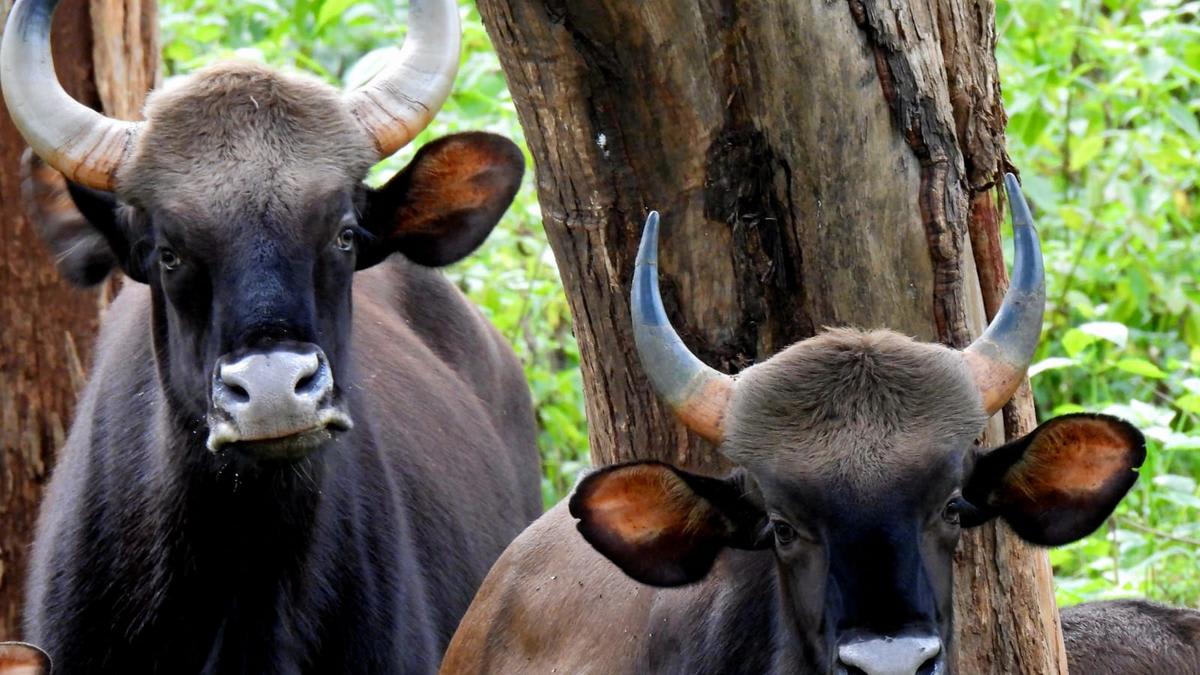
The Andhra Pradesh government is reintroducing gaurs to the Nallamala forests to boost the prey base for tigers and leopards. This conservation effort involves translocating wild bovines from central India and transferring tigresses to improve genetic diversity.
Revitalizing the Nallamala Ecosystem
The Andhra Pradesh Forest Department has launched a critical conservation initiative aimed at restoring the ecological balance of the Nagarjunasagar-Srisailam Tiger Reserve (NSTR) and the surrounding Nallamala hills. By reintroducing gaurs—the world’s largest extant bovine—the state seeks to rectify a long-standing decline in prey availability that has historically constrained the health and growth of the region’s apex predator populations, specifically tigers and leopards.
The Decline of the Indian Bison
Historically, the Nallamala forest range supported a robust population of gaurs. However, these wild bovines have effectively vanished from the area due to a trifecta of anthropogenic and biological pressures: rampant historical hunting, significant habitat fragmentation, and the devastating impact of cattle disease transmission. The disappearance of these herbivores created a vacuum in the food chain, forcing tigers to rely on fewer prey options, which ultimately threatened the long-term sustainability of the predator populations in this vast landscape.
Strategic Translocation and Scientific Oversight
To combat this, the Forest Department, in collaboration with the Wildlife Institute of India (WII), has formulated a plan to translocate gaurs from central India beginning in September. This operation is not merely a restocking effort but a scientific endeavor to restore the natural biodiversity of the Nallamala ecosystem. The use of expertise from the WII ensures that the translocation process adheres to rigorous conservation standards, minimizing stress on the animals and maximizing their chances of survival in the new environment.
Strengthening Genetic Diversity
Beyond the reintroduction of prey, the government is focusing on the genetic vitality of the tigers themselves. Principal Chief Conservator of Forests P.V. Chalapathi Rao has confirmed that the state will import two tigresses each from Maharashtra and Madhya Pradesh. This strategic exchange is designed to enhance the genetic diversity of the NSTR tiger population, which is crucial for preventing inbreeding and ensuring the resilience of the species against environmental changes and diseases.
Broader Implications and Future Trends
This initiative reflects a growing trend in Indian wildlife management: moving from passive protection to active, science-led restoration. By focusing on the 'prey base,' the Andhra Pradesh government is adopting a holistic 'landscape-level' approach to conservation. If successful, this model of translocating both prey and predators to restore ecosystem functionality could serve as a blueprint for other degraded forest reserves across the country that face similar pressures from habitat loss and reduced biodiversity.
Conclusion
The integration of gaurs back into the Nallamala hills and the infusion of new genetic stock into the tiger population represents a significant milestone in Indian conservation. By addressing the fundamental issues of food availability and genetic health, the state is taking decisive steps to secure the future of the NSTR, ensuring it remains a viable, thriving habitat for India's iconic big cats for generations to come.
Verification Required?