Winter weather predictions: Super El Niño builds as Polar Vortex warning emerges for US, Europe winter
Source Entity
Latest News: Todays Latest News Headlines from India & World | Hindustan Times | Hindustan Times
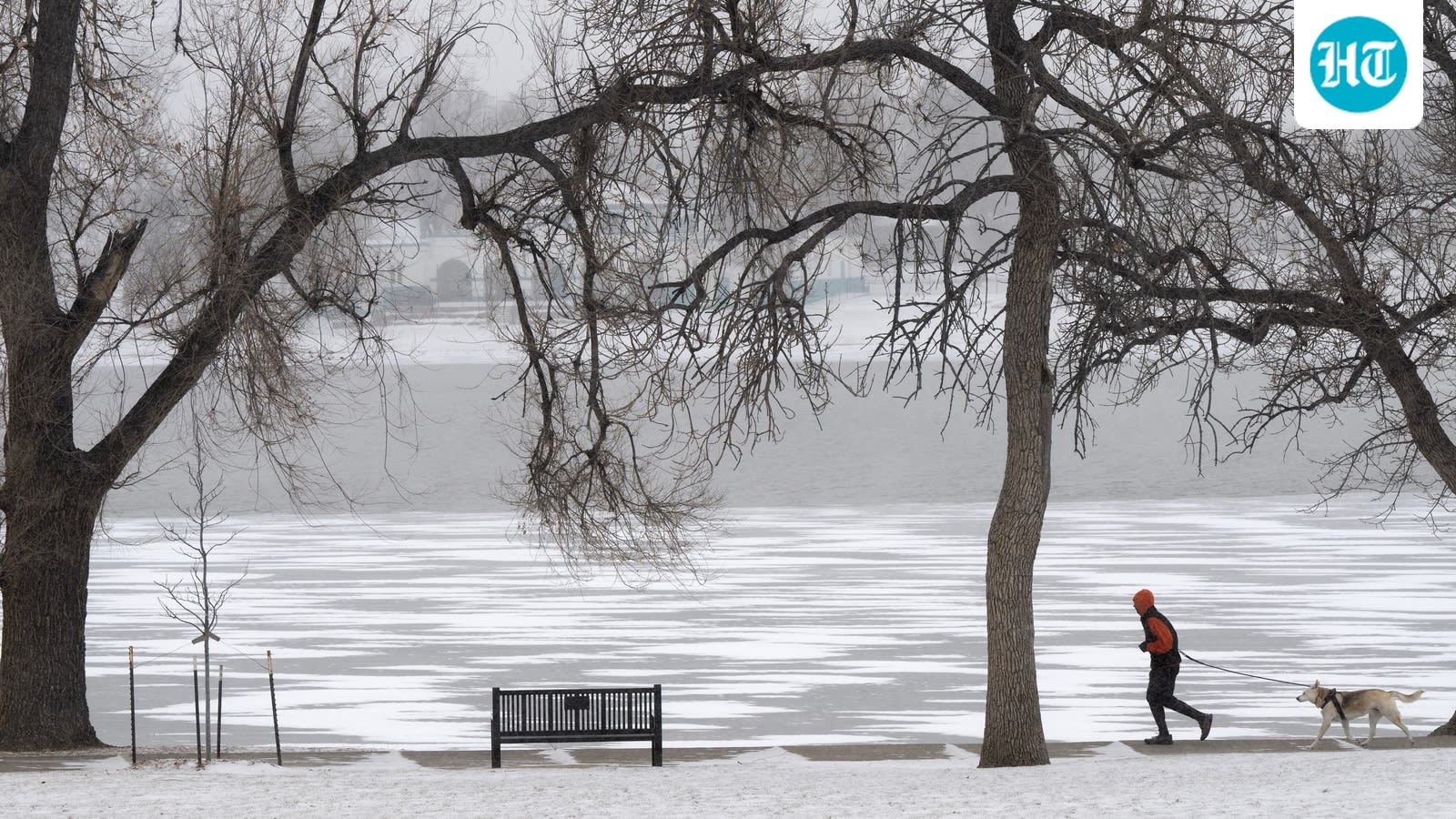
Meteorologists are warning of an unpredictable 2026/2027 winter season driven by a Super El Niño and potential Polar Vortex disruptions. These conditions increase the risk of extreme Arctic air outbreaks across the US, Canada, and Europe.
The 2026/2027 Winter Outlook: A Perfect Storm of Climate Variables
As we look toward the winter of 2026/2027, meteorological data indicates a season defined by heightened volatility. The convergence of a powerful Super El Niño event, shifting global atmospheric wind patterns, and a significant reduction in Arctic sea ice has created a complex environment for long-range forecasting. These factors are not operating in isolation; rather, they are interacting to create a feedback loop that challenges traditional seasonal predictability.
The Role of the Super El Niño
At the center of these predictions is the development of a Super El Niño. Historically, this phenomenon—characterized by the warming of surface waters in the equatorial Pacific—significantly alters the position of the jet stream. By shifting these high-altitude winds, El Niño can reorganize storm tracks across the Northern Hemisphere. When combined with current climate trends, this creates a precursor for the erratic weather patterns that experts are now monitoring closely for the upcoming winter season.
Polar Vortex Destabilization Risks
Perhaps the most concerning element of the 2026/2027 forecast is the potential for a Polar Vortex disruption. The Polar Vortex is a massive, persistent, low-pressure zone located near the Arctic poles. When this circulation remains strong, it keeps frigid air confined to the high latitudes. However, early warning signs from current long-range models suggest that this circulation could weaken significantly by January 2027, potentially allowing lobes of Arctic air to spill southward.
The Impact of Arctic Sea Ice Decline
The relationship between declining Arctic sea ice and the stability of the Polar Vortex is a critical area of modern climate study. As sea ice coverage reaches new lows, the resulting open water absorbs more solar radiation, warming the lower atmosphere. This thermal energy transfer can weaken the pressure gradients that keep the Polar Vortex tightly wound. The 2026/2027 winter serves as a case study for how these environmental changes translate into tangible risks for human infrastructure and agriculture in the mid-latitudes.
Regional Implications for the US, Canada, and Europe
While a disruption of the Polar Vortex does not guarantee a uniform deep freeze across the entire globe, it substantially increases the statistical probability of extreme weather events. Regions across the United States, Canada, and Europe are at an elevated risk of sudden, severe cold snaps and increased snowfall. These events often catch municipal infrastructure off guard, testing the resilience of energy grids and transportation networks that are not calibrated for rapid, extreme temperature drops.
Future Outlook and Conclusion
As we approach January 2027, the focus for meteorologists remains on the intensity and duration of these atmospheric shifts. The current data underscores the necessity for proactive climate preparedness. By understanding the correlation between Pacific ocean temperatures, Arctic ice loss, and polar circulation, societies can better mitigate the impacts of a volatile winter. The coming months will be a critical test of our ability to interpret these early signals and prepare for the potential of extreme winter weather.
Verification Required?