Everyday explained: Why you have to stop storing onions and potatoes together
Source Entity
Latest News: Todays Latest News Headlines from India & World | Hindustan Times | Hindustan Times
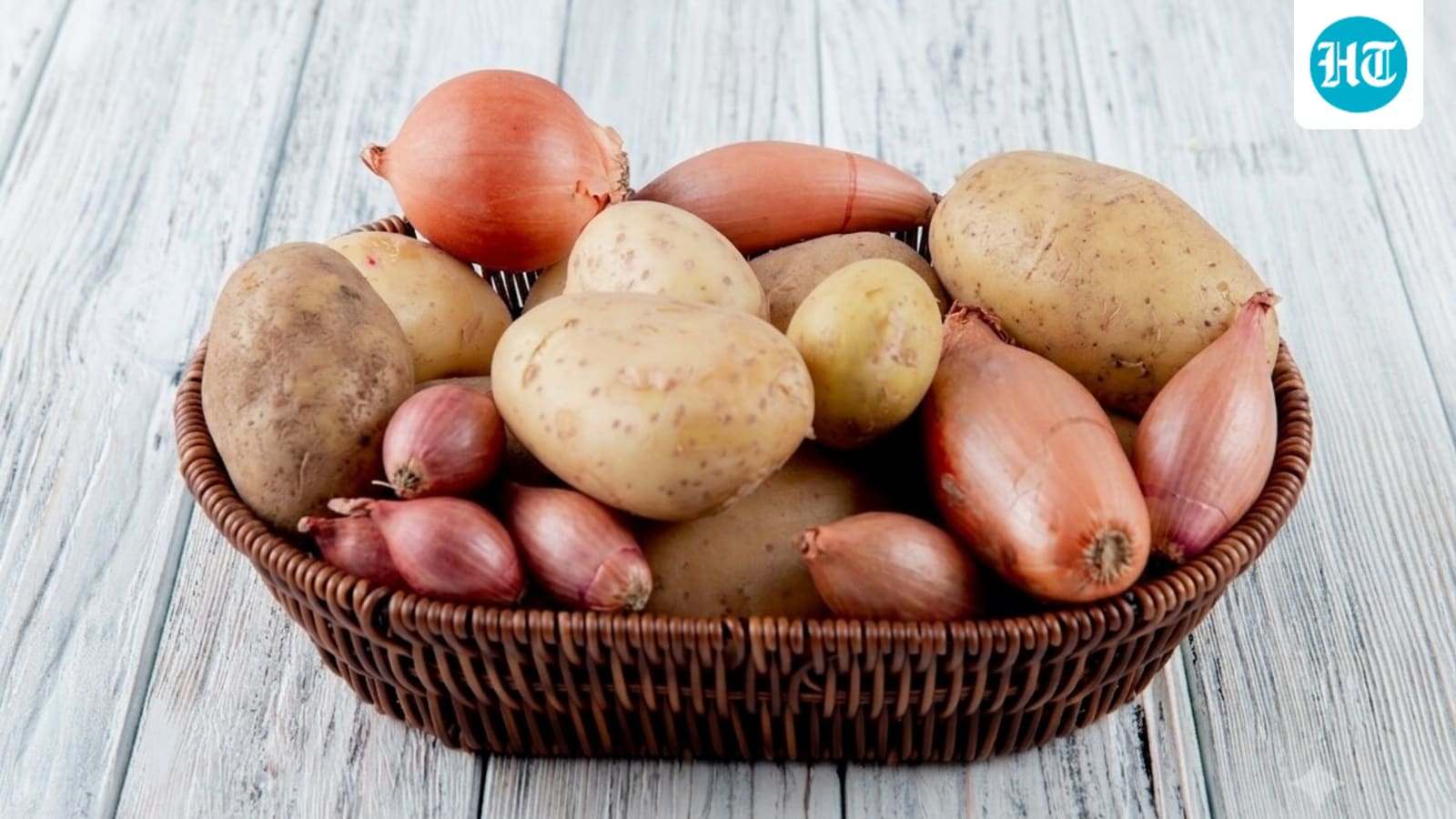
Storing onions and potatoes together causes premature spoilage due to ethylene gas and moisture exchange. To maintain freshness, these produce items should be kept in separate, well-ventilated environments.
The Science of Produce Storage: Why Onions and Potatoes Don't Mix
It is a common habit in many kitchens to store onions and potatoes in the same basket or pantry corner, often due to convenience or limited storage space. However, experts warn that this practice is fundamentally flawed from a botanical and chemical perspective. The primary issue stems from the physiological processes of these vegetables after harvest, where they continue to interact with their environment in ways that accelerate decay.
The Role of Ethylene Gas
At the heart of the problem is ethylene, a naturally occurring plant hormone released by onions in the form of an invisible gas. Ethylene acts as a ripening agent in many fruits and vegetables. When potatoes are exposed to this gas, it triggers an accelerated aging process. This prematurely breaks down the potato's cellular structure, leading to rapid sprouting and the development of unappealing green patches, which are signs that the vegetable is moving past its peak nutritional and culinary state.
Moisture Exchange and Spoilage
Beyond gas emission, the physical properties of these two staples are incompatible. Onions possess a high water content and are notoriously sensitive to ambient humidity. When stored in close proximity to potatoes—which naturally release their own moisture—the onions absorb this excess humidity. This creates an environment conducive to mold growth and soft rot, causing the onions to spoil far faster than they would if kept in a dry, ventilated area.
Divergent Environmental Needs
To maximize the shelf life of produce, one must understand the distinct environmental requirements of each item. Onions thrive in cool, dry, and dark conditions with significant airflow to prevent the moisture buildup that leads to decay. Potatoes, while also requiring darkness to prevent 'greening' (a reaction to light that can increase solanine levels), require a different balance of humidity and temperature to remain dormant and firm.
Implications for Household Waste
This storage error has significant implications for food waste and household economics. By simply separating these two staples, consumers can extend the viability of their produce, ensuring better texture and taste for longer periods. Understanding these basic chemical interactions allows for more efficient kitchen management, reducing the need for frequent grocery trips and minimizing the disposal of spoiled food.
Conclusion: Best Practices for Longevity
Ultimately, the 'basket-sharing' habit is a primary cause of avoidable food spoilage. For optimal results, onions should be kept in a mesh bag or a well-ventilated container in a cool, dark place, completely isolated from potatoes. By respecting the individual environmental needs of these vegetables, home cooks can effectively halt the chemical chain reaction that leads to premature sprouting and rot.
Verification Required?