A24 Is Copyright Striking Backrooms Artwork Older Than the Movie
Source Entity
Hacker News
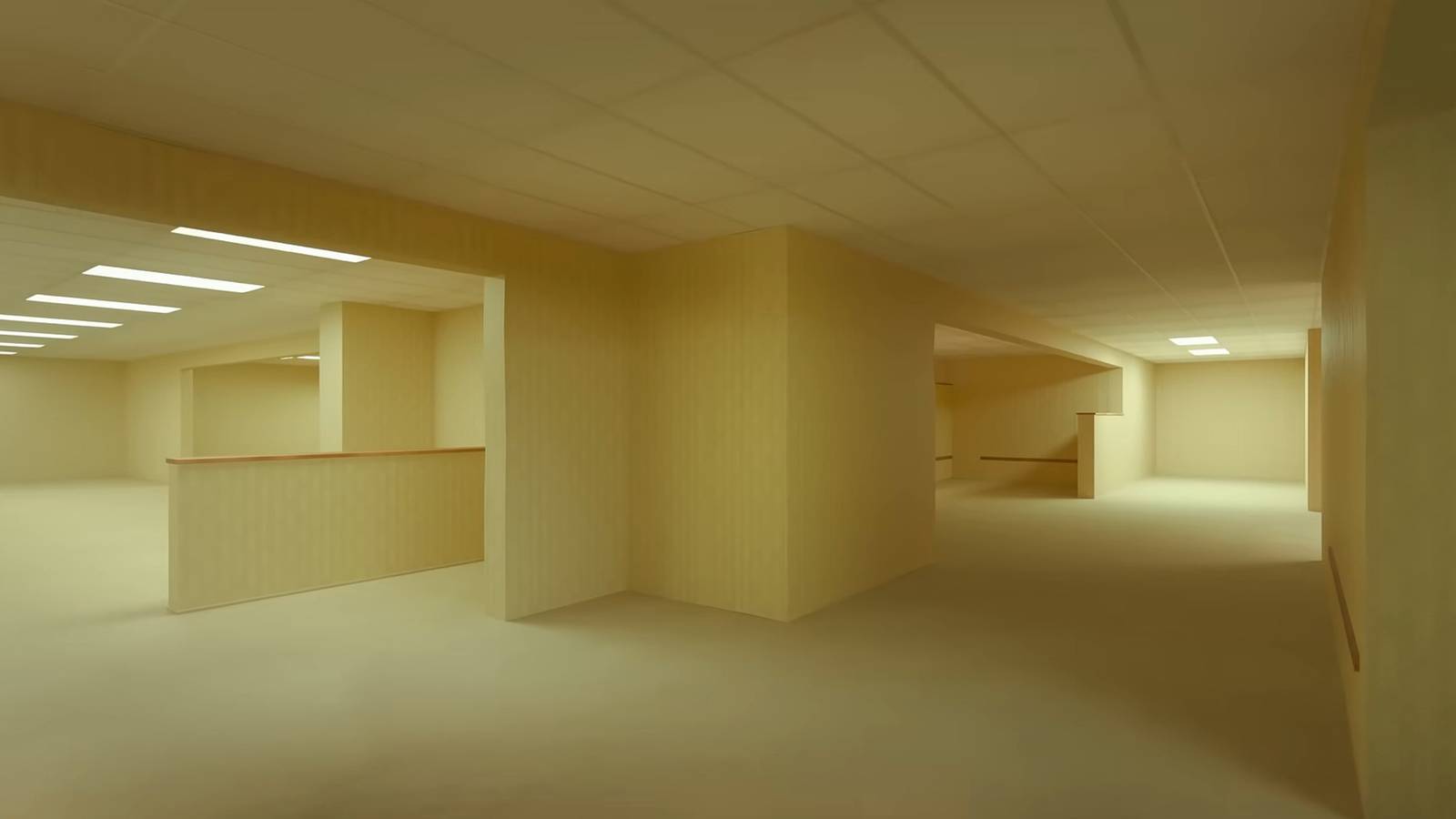
A24 is facing backlash for issuing copyright strikes against Backrooms-related fan content that predates their own feature film adaptation. This move raises significant concerns regarding the ownership of decentralized internet phenomena and the impact of corporate IP acquisition on collaborative fan communities.
The Corporate Encroachment on Internet Folklore
The "Backrooms" phenomenon represents a quintessential example of modern, decentralized internet folklore. Originating from an anonymous 2019 4chan post, the concept of a liminal, shifting labyrinth of office spaces captured the collective imagination of the internet. Because it was born from a collaborative, anonymous environment, the Backrooms lacks a single author, functioning instead as a communal mythos where various creators contribute short stories, videos, and games. This ecosystem flourished in a creative commons-style vacuum, allowing artists like Kane ‘Pixels’ Parsons to expand the lore into a viral, 9-minute found footage horror masterpiece.
The Conflict Between A24 and Fan Creators
The recent controversy stems from A24—the studio currently producing a feature-length film based on Parsons’ work—reportedly issuing copyright strikes against fan content that predates their production. This creates a complex legal and ethical tension. While studios naturally seek to protect the intellectual property (IP) rights of their upcoming projects, the retroactive policing of independent works that helped build the initial popularity of the Backrooms feels, to many in the community, like an aggressive overreach of corporate power.
Implications for Decentralized IP
When a corporate entity gains exclusive rights to a property that was birthed by the public, the transition from "community-owned" to "corporate-owned" is rarely seamless. By targeting older, pre-existing artwork, A24 risks alienating the very fanbase that established the Backrooms as a viable commercial product. This situation mirrors broader debates in the digital age regarding fair use and the ownership of memes and urban legends. If studios are allowed to retroactively claim or silence independent creative contributions, it sets a chilling precedent for the future of internet-born intellectual property.
The Fragility of Internet Phenomena
The Backrooms' appeal relies on its nebulous, "no-clipped" nature—a sense of reality being thin and permeable. By attempting to consolidate the IP, A24 is essentially trying to solidify a gaseous, ever-changing entity into a rigid, marketable commodity. This process inherently contradicts the spirit of the original creepypasta. The backlash within the subreddit community highlights a fundamental misunderstanding between traditional media gatekeepers and the decentralized nature of internet subcultures.
Future Trends in Digital Media
This incident is likely a harbinger of future conflicts as major studios continue to harvest viral internet content for mainstream adaptation. As we move forward, the legal community will need to address whether "found footage" or "collaborative lore" can be effectively copyrighted in a way that ignores years of community-driven development. If creators continue to be silenced, we may see a migration of talent away from open-source horror, as artists become wary of building upon concepts that could eventually be snatched and monetized by larger corporations.
Conclusion
Ultimately, A24’s actions have ignited a critical conversation about the ownership of the digital commons. Whether this is a simple administrative error or a deliberate strategy to clear the market for their film, the result is a damaged relationship with the creative community. The survival of the Backrooms as a cultural touchstone may depend on whether the studio chooses to embrace the community that built the foundation, or whether they continue to treat the mythos as a standard, closed-loop corporate asset.