Trump rolls out a new wave of tariffs. Here are the latest rates.
Source Entity
Victor Reklaitis
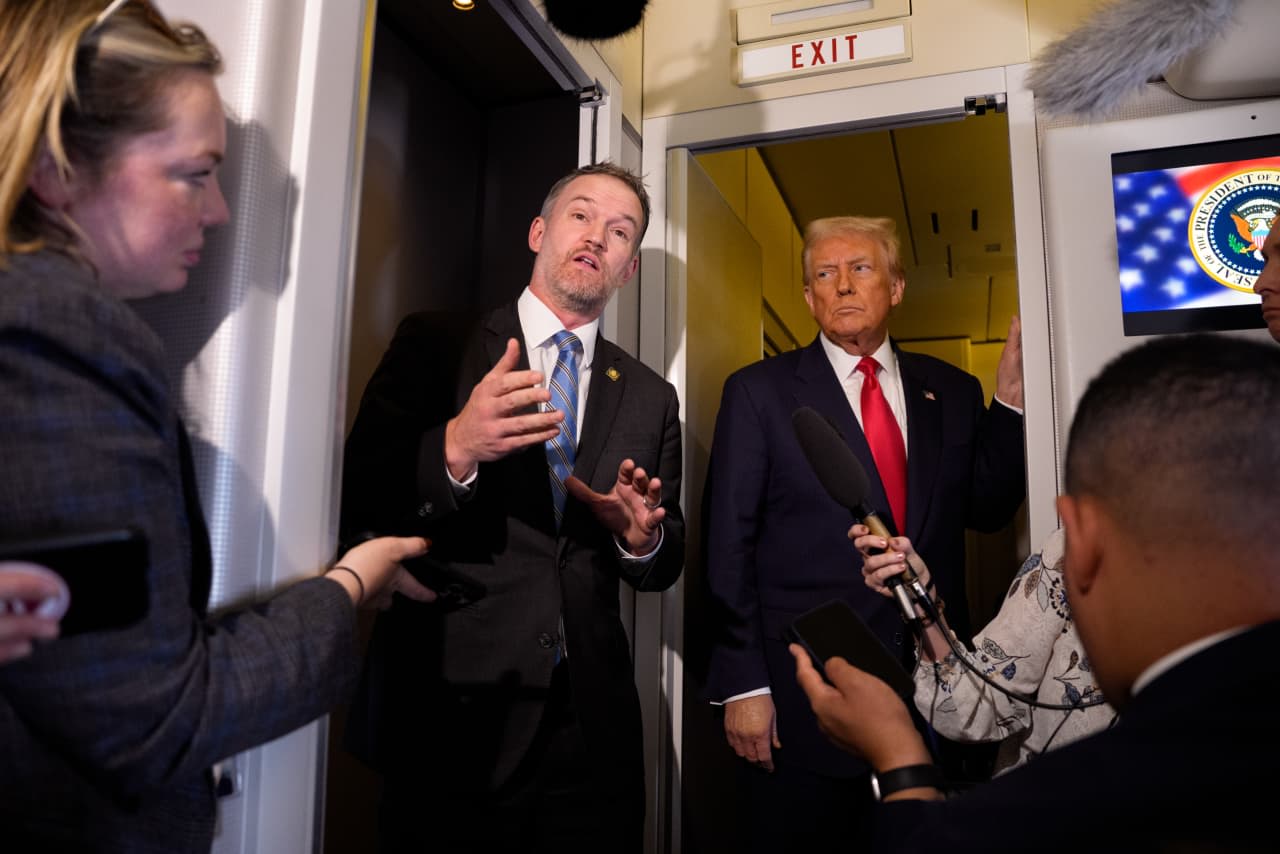
President Donald Trump and U.S. Trade Representative Jamieson Greer have announced new tariffs on 60 trading partners, citing concerns over forced labor. These duties, ranging from 10% to 50%, target major global economies and represent a significant escalation in ongoing trade tensions.
The Resurgence of Protectionist Trade Policy
President Donald Trump, alongside U.S. Trade Representative Jamieson Greer, has initiated a significant new phase in American trade policy by announcing a wave of tariffs targeting approximately 60 trading partners. This action, framed as a response to failures in addressing forced labor within global supply chains, marks a pivotal shift in how the United States utilizes economic leverage to influence international labor standards and trade practices. By targeting a vast majority of its import sources, the administration is signaling a departure from traditional multilateral trade cooperation toward a more unilateral, enforcement-heavy approach.
The Scope and Scale of Global Impact
The tariffs, which range from 10% to 12.5% for most of the 60 affected nations, represent a broad-based economic pressure campaign. Key global economic players, including the United Kingdom, China, the European Union, Canada, and India, are directly impacted. The timing is particularly noteworthy, as these duties are set to take effect this Friday, coinciding with the expiration of a previously implemented 10% temporary tax on foreign goods. This transition suggests an intent to maintain, or even increase, the baseline level of protectionism that has characterized the current administration's economic agenda since its return to office.
Legal Challenges and Strategic Shifts
This policy move occurs against a backdrop of significant legal friction. Earlier this year, the U.S. Supreme Court ruled that many tariffs previously enacted under emergency powers were illegal, forcing the White House to pivot to alternative legal frameworks to sustain its flagship trade objectives. The reliance on forced labor concerns as a justification for these specific tariffs reflects a tactical shift in the administration's legal strategy, moving away from purely economic or national security arguments toward moral and ethical trade compliance standards.
Targeting Canada: A Case Study in Escalation
Beyond the broad-based tariffs on the 60 affected nations, the administration has specifically intensified pressure on Canada. Reports indicate that new 50-percent tariffs have been ordered on many Canadian products, representing a massive escalation for one of the United States' closest trading partners. This specific targeting highlights the administration's willingness to employ aggressive, sector-specific trade measures that significantly diverge from the more uniform tariffs applied to other global partners.
Future Trends in Global Trade Relations
Looking ahead, this development signals a long-term trend of volatility in global trade. As the U.S. continues to navigate the legal limitations set by the Supreme Court, the international community should expect a sustained period of trade friction. The focus on forced labor provides a flexible, albeit controversial, mechanism for the U.S. to impose duties without relying on emergency powers that have previously been invalidated. Businesses and global markets will likely face continued instability as nations grapple with these new tariff regimes and the broader implications for international supply chain management.
Multiple Citing Sources
Verification Required?