Trump to slap 'sweeping' new tariffs on 60 trade partners as global duties expire
Source Entity
US Top News and Analysis
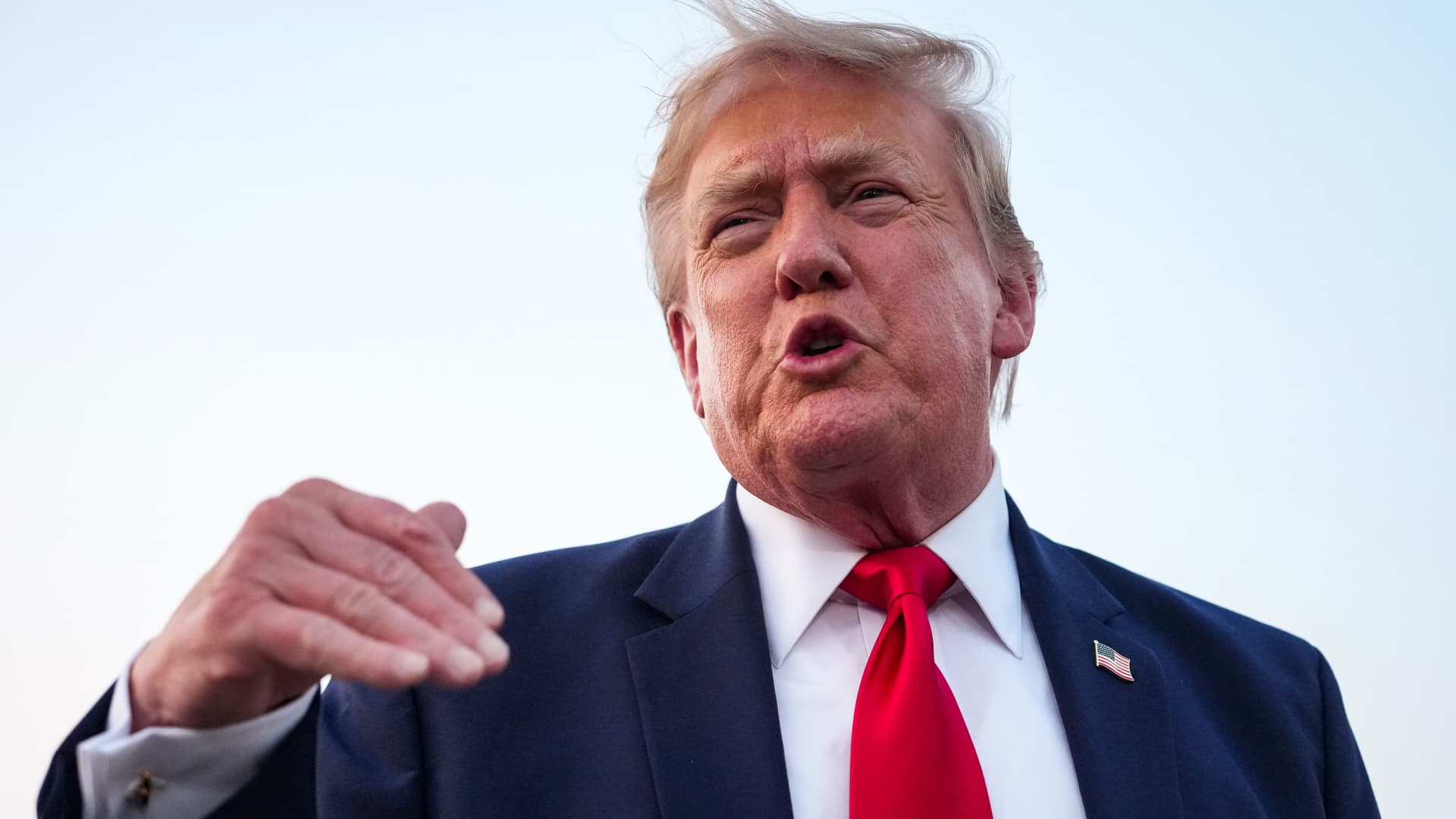
The Trump administration is implementing new 10% to 12.5% tariffs on 60 trade partners, citing forced-labor violations. This action follows recent legal setbacks and replaces expiring temporary duties, affecting nearly all U.S. imports.
The Trump Administration's Escalation of Global Trade Policy
The Trump administration has initiated a significant shift in its international trade strategy, announcing the implementation of new, sweeping tariffs on approximately 60 trade partners. This move, which follows a period of legal uncertainty regarding the administration's trade agenda, marks a transition from temporary 10% global duties to a more permanent, tiered structure ranging from 10% to 12.5%. According to the Office of the U.S. Trade Representative, these duties are slated to take effect immediately following the expiration of previous measures.
Legal Context and Strategic Pivoting
Earlier this year, the U.S. Supreme Court delivered a major blow to the administration's trade agenda, ruling that many of the tariffs enacted under emergency powers were legally invalid. Faced with these judicial constraints, the administration has pivoted to new legal frameworks to maintain its protectionist goals. By framing these new duties as a response to forced-labor violations, the White House is utilizing administrative mechanisms that differ from the emergency powers previously struck down, effectively navigating around the court’s earlier rulings.
Scope and Economic Impact
The breadth of this policy is unprecedented, covering 99.4% of all U.S. trade. Key economic partners, including the United Kingdom, China, the European Union, Canada, Japan, and India, are all subject to the new rates. While the administration asserts that these measures are necessary to address human rights concerns regarding labor practices, the sheer scale of the coverage suggests a broader objective of restructuring the U.S. import landscape. The Office of the U.S. Trade Representative has notably declined to provide revenue projections, highlighting the policy's focus on enforcement and leverage rather than fiscal gain.
The Geopolitical Trade War
This development represents the latest escalation in a global trade war that has intensified since President Trump’s return to office. By replacing temporary levies with these new, slightly higher duties, the administration is signaling a long-term commitment to its 'America First' trade philosophy. The timing of this transition—coinciding with the midnight expiration of existing temporary tariffs—ensures that there is no lapse in the pressure applied to international trading partners.
Future Implications for Global Markets
The move is expected to have far-reaching consequences for global supply chains. Because these tariffs target nearly the entire spectrum of U.S. imports, businesses operating across the globe will likely face increased costs and operational complexities. As the administration continues to seek new legal avenues to enforce its trade policy, observers expect continued friction between the U.S. and its major economic counterparts. The long-term success of this strategy will depend on whether the administration can sustain these measures against potential future legal challenges and international diplomatic retaliation.
Multiple Citing Sources