International waterways must remain safe and unimpeded: S. Jaishankar
Source Entity
India Latest News: Top National Headlines Today & Breaking News | The Hindu
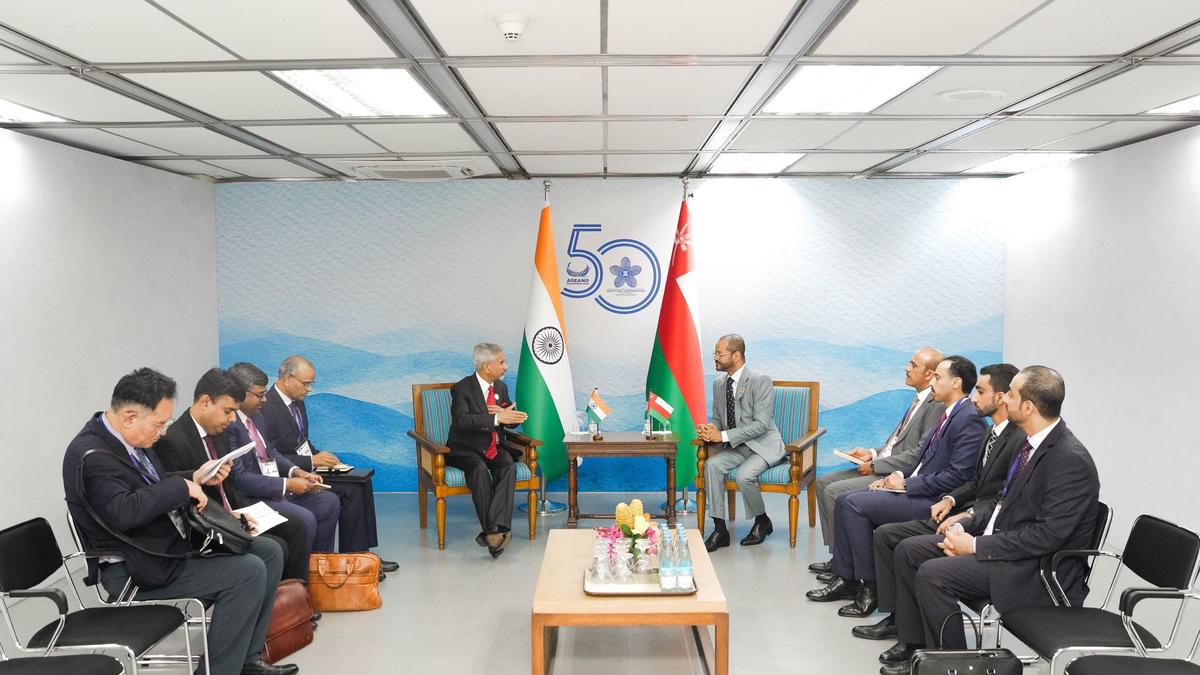
External Affairs Minister S. Jaishankar emphasized India's zero-tolerance stance on terrorism and the necessity of safe maritime navigation at the ASEAN Regional Forum and East Asia Summit. He further advocated for diplomatic resolutions to conflicts in West Asia and Myanmar while upholding international maritime law.
India Strengthens Regional Security Stance at ASEAN and East Asia Summit
External Affairs Minister S. Jaishankar recently participated in the ASEAN Regional Forum (ARF) and the 21st East Asia Summit in Manila, representing India's strategic interests in the Indo-Pacific. During these high-level engagements, India utilized the platforms to reinforce its commitment to regional stability, specifically targeting the threats posed by terrorism and the disruption of critical maritime corridors.
A Zero-Tolerance Policy on Terrorism
At the core of Minister Jaishankar’s address was a firm, unambiguous stance on global terrorism. By declaring that there must be "zero tolerance" for such acts and that they must face consequences, India is reinforcing its long-standing foreign policy doctrine. This rhetoric serves as a clear signal to regional partners that India views terrorism not merely as a domestic security issue, but as a primary impediment to the economic and political integration of the Indo-Pacific region.
Safeguarding Maritime Channels
Beyond terrorism, the East Asia Summit provided a venue for India to address the stability of international waterways. With rising tensions in the Persian Gulf and broader concerns regarding civilian shipping, Jaishankar emphasized that maritime channels must remain "safe and unimpeded." This position is deeply rooted in international law and reflects India's role as a net security provider in the region, particularly as global supply chains remain vulnerable to geopolitical volatility.
Navigating Regional Conflicts
India’s diplomatic approach in Manila was characterized by a call for dialogue and diplomacy as the primary tools for conflict resolution. Regarding the civil conflict in Myanmar, where the military junta faces significant opposition from Ethnic Armed Organisations (EAOs), India has advocated for a political solution. This approach balances India’s need for stability on its border with a commitment to the sovereign stability of its neighbors.
Strategic Engagements and Global Impact
Minister Jaishankar’s bilateral meetings with leaders from Oman, the UK, and the Netherlands highlight the interconnected nature of India's foreign policy. By addressing the crises in West Asia, India is acknowledging that regional conflicts have a cascading effect on the global economy, disproportionately impacting the Global South. Furthermore, India’s support for a substantive Code of Conduct for the South China Sea demonstrates its commitment to a rules-based international order.
Conclusion
India’s participation in these forums reaffirms its growing influence in shaping the security architecture of the Indo-Pacific. By focusing on the nexus of counter-terrorism, maritime safety, and diplomatic engagement, India is positioning itself as a stabilizing force. As these regions continue to face complex security challenges, India's insistence on adherence to international law and collaborative problem-solving will remain a cornerstone of its foreign policy trajectory.
Multiple Citing Sources
Verification Required?