Ships trapped near Strait of Hormuz could become nurseries for invasive species
Source Entity
TOI SCIENCE DESK
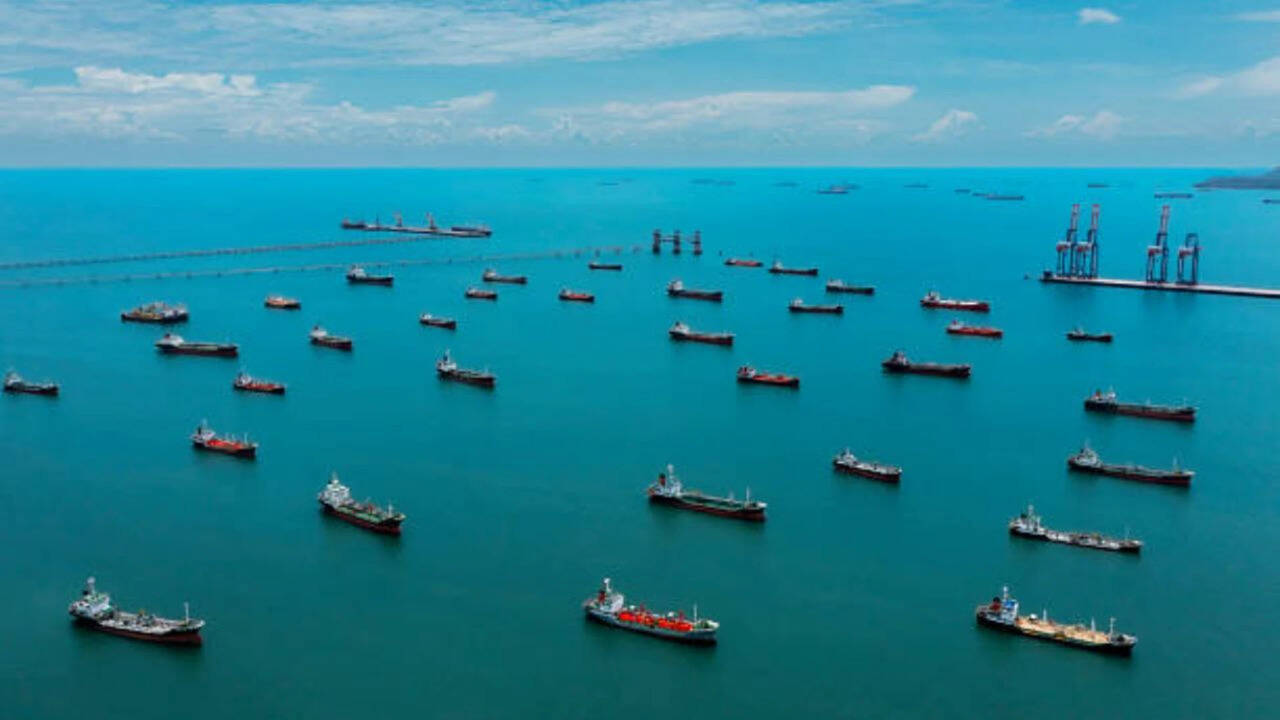
The ongoing US-Iran conflict has left 1,500 vessels stranded in the Strait of Hormuz, turning these ships into potential vectors for invasive marine species. Prolonged biofouling on idle hulls poses a severe ecological and economic threat to global coastal ecosystems.
The Ecological Shadow of the Strait of Hormuz Conflict
A Maritime Chokepoint in Crisis
Since the outbreak of hostilities between the United States and Iran on February 28, 2026, the Strait of Hormuz—the world’s most critical maritime energy artery—has effectively ceased to function as a transit corridor. With approximately 1,500 vessels currently stranded in the Persian Gulf, the geopolitical paralysis has created a secondary, unforeseen crisis: the massive accumulation of biofouling on the hulls of idle ships. This area typically facilitates $600 billion in annual energy trade, but the current five-month stalemate has transformed these stationary vessels into unintended nurseries for invasive marine life.
The 'Super-Spreader' Phenomenon
Marine biofouling occurs when organisms such as barnacles, algae, and mollusks attach themselves to the submerged surfaces of ships. When vessels remain anchored for extended periods, these organisms establish complex, thriving colonies. International Maritime Organization (IMO) guidelines clearly state that ships idling for more than 30 days require immediate intervention to manage this growth. Because these 1,500 ships have been stationary for nearly five months, they have effectively become 'super-spreaders' of potentially invasive species, ready to transport these organisms to new, vulnerable coastal environments once transit resumes.
Ecological and Economic Implications
The threat posed by these invasive species is twofold. Ecologically, the introduction of non-native organisms into new habitats can devastate local biodiversity, outcompeting indigenous species and disrupting delicate food webs. Economically, the cost of mitigating these invasions—such as damage to coastal infrastructure, losses to local fisheries, and the expense of invasive species management—can reach billions of dollars. The longer these ships remain in the Persian Gulf, the more established these colonies become, increasing the probability of a global ecological ripple effect.
The Need for International Cooperation
Addressing this issue requires a level of global coordination that is currently hampered by the ongoing war. The persistence of the US-Iran conflict complicates standard maritime maintenance protocols, as port access and ship-cleaning services are severely restricted. It is now imperative for involved nations and international maritime bodies to facilitate strategies that allow for the cleaning of these hulls. Without proactive intervention, the maritime industry risks shifting from a crisis of energy security to a long-term crisis of global marine health.
Future Trends and Mitigation
Looking ahead, the international community must integrate biofouling management into emergency maritime protocols. If the blockade continues, or if similar geopolitical chokepoints arise in the future, the 'nursery effect' observed in the Persian Gulf will likely become a recurring environmental challenge. Future maritime policy will need to account for the environmental footprint of stationary fleets, ensuring that ecological biosecurity is prioritized alongside the strategic and economic interests of global trade.