Satish Jarkiholi urges youth to stay away from drug addiction
Source Entity
India Latest News: Top National Headlines Today & Breaking News | The Hindu
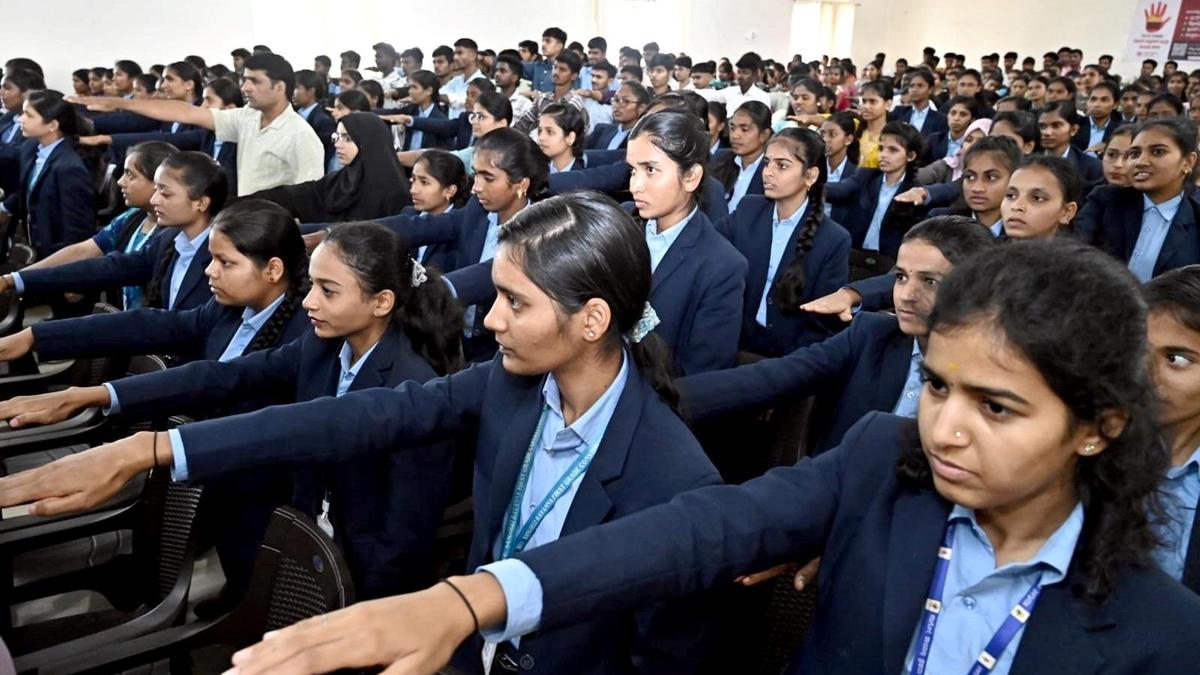
Public officials and educational institutions in India are launching coordinated campaigns to combat rising drug abuse among students. These initiatives emphasize academic focus, legal awareness, and community responsibility to foster a drug-free society.
Addressing the Growing Challenge of Drug Abuse Among Youth
Recent initiatives in Belagavi and Anantapur underscore a growing national concern regarding substance abuse among the younger generation. Public Works Minister Satish Jarkiholi, speaking at the 'Beda Bro' awareness event in Belagavi, emphasized the critical need for youth to prioritize academic goals and moral development over the destructive path of addiction. Similarly, JNTUA College of Engineering in Anantapur hosted a national awareness program under the 'Nasha Mukt Bharat Abhiyaan' initiative, highlighting the multi-faceted approach required to safeguard students.
The Role of Collective Responsibility
The narrative emerging from both events points toward a unified solution: a collaborative framework involving the Police Department, educational institutions, parents, and the public. Minister Jarkiholi explicitly noted that eradicating the drug menace is not the burden of one agency alone but requires a societal shift. By integrating law enforcement's expertise with the daily guidance provided by schools and families, the goal is to create a protective ecosystem that discourages experimentation with narcotics.
Educational Empowerment as a Preventive Tool
At the JNTUA College of Engineering, the focus shifted toward 'Law Enforcement: Protecting Youth from Drug Abuse.' By educating students on the legal ramifications of narcotic offenses alongside the physiological and psychological dangers of addiction, institutions are attempting to bridge the gap between abstract warnings and tangible life consequences. The themes of 'Stop Drugs, Save Lives' and 'Empowering Youth' serve as pedagogical tools designed to foster responsible citizenship and promote healthier lifestyle choices.
Historical Context: The Nasha Mukt Bharat Abhiyaan
The ‘Nasha Mukt Bharat Abhiyaan’ (Drug-Free India Campaign) serves as the backdrop for these localized efforts. This national initiative is designed to mobilize communities and strengthen the resolve of the youth against substance abuse. By hosting these programs within engineering and degree colleges, authorities are targeting a demographic at a high-risk transition period, where academic pressure and social curiosity often intersect, potentially leading to substance dependency.
Long-term Implications and Future Trends
The ongoing efforts to institutionalize drug awareness suggest a long-term strategy to normalize the conversation around addiction. Rather than treating substance abuse as a hidden, shameful issue, these public awareness campaigns aim to bring the topic into the open, allowing for earlier intervention and stronger peer-led support networks. The future trend points toward more robust integration of wellness programs within the engineering and technical curriculum, ensuring that academic excellence is balanced with the development of resilient, drug-free mindsets.
Conclusion: A Call for Sustained Vigilance
Ultimately, the success of these programs depends on sustained engagement rather than one-off events. As Minister Jarkiholi and the organizers at JNTUA have highlighted, the path to a brighter future for Indian youth is predicated on discipline, education, and constant vigilance. By empowering students with the knowledge to identify and reject addictive substances, the nation moves closer to the objective of a healthier, more productive, and drug-free society.
Verification Required?