Texas cave’s rare aquifer tour returns after flood raises water 30 feet
Source Entity
TOI WORLD DESK
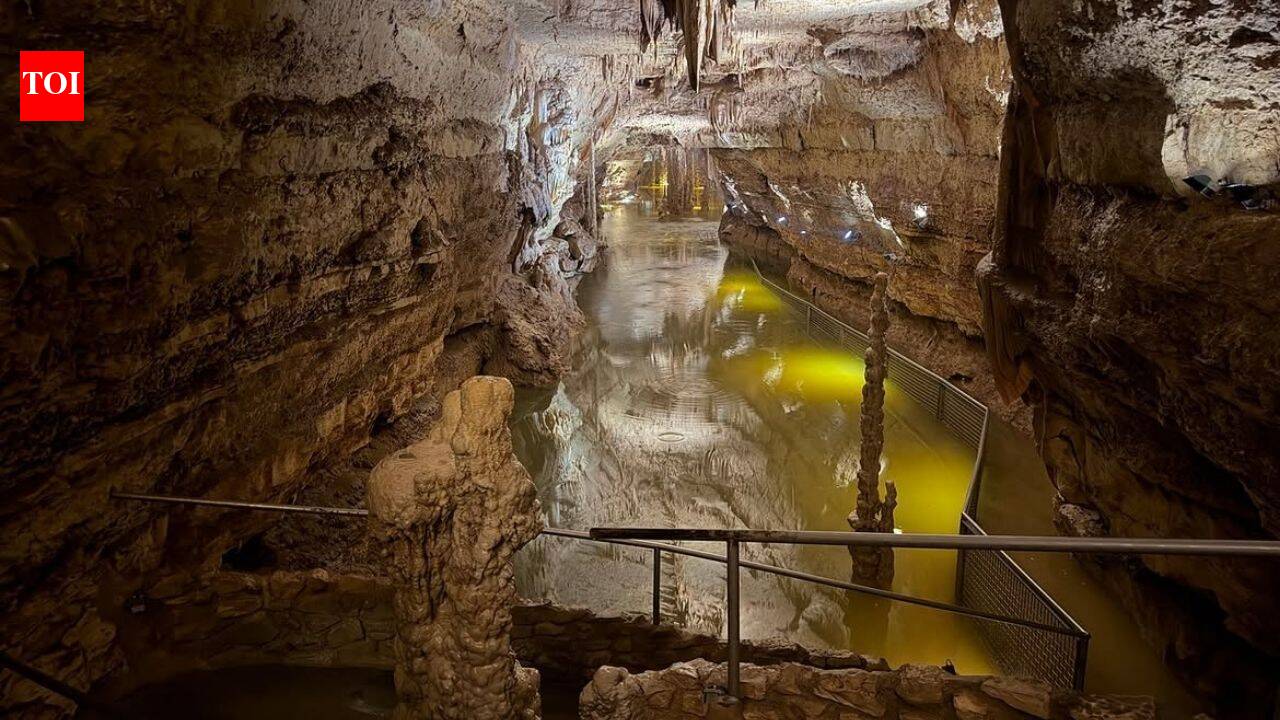
Severe flooding at Texas's Natural Bridge Caverns has raised water levels by 30 feet, allowing for a rare, temporary aquifer tour. This event provides unique public access to subterranean systems that are usually dry and inaccessible.
A Rare Glimpse Into the Subterranean World
The recent surge in water levels at Natural Bridge Caverns, the largest commercial cave system in Texas, serves as a stark reminder of the dynamic relationship between surface weather and deep-earth hydrology. Following a period of severe flooding in the region, water levels within the caverns rose by an unprecedented 30 feet. This environmental anomaly has facilitated the rare, temporary reopening of the 'Aquifer Tour,' a guided experience that offers visitors a view into areas typically shielded from human observation by arid conditions.
The Mechanics of the Aquifer Tour
Under normal circumstances, the deep reaches of Natural Bridge Caverns remain dry, sequestered from the water table that sustains the local environment. The sudden influx of floodwater has effectively transformed these subterranean passages into a living demonstration of the Edwards Aquifer’s activity. By allowing visitors to traverse these newly submerged sections, the tour provides a visceral understanding of how water moves through karst topography—a landscape formed by the dissolution of soluble rocks like limestone.
Hydrological Significance for Central Texas
Beyond the novelty of the tour, the event underscores the critical role of groundwater in the stability of Central Texas communities. The Edwards Aquifer is one of the most productive and important water sources in the state, serving as a primary supply for millions of residents, agriculture, and industry. The sight of these rising water levels highlights the vulnerability and necessity of these underground systems, which are often out of sight and therefore out of mind for the general public.
Environmental Impact and Education
This rare opportunity serves as an invaluable educational tool. By witnessing the physical manifestation of groundwater accumulation, the public can better grasp the complexities of water management in a state frequently prone to both drought and flash flooding. The 'Aquifer Tour' bridges the gap between scientific observation and public awareness, turning a potentially destructive meteorological event into a chance for community learning regarding regional water conservation.
Historical Context and Future Trends
Natural Bridge Caverns has long been a focal point for geological research, but events like this are infrequent. Historically, such significant water level increases are tied to extreme weather patterns that overwhelm the natural drainage capacity of the cave system. As climate patterns continue to fluctuate, the frequency of such flood-driven opportunities may change, potentially forcing a shift in how cave management teams balance public access with the preservation of sensitive underground ecosystems.
Conclusion
The return of the Aquifer Tour is a testament to the resilience and volatility of Texas's natural geography. While the flooding that caused this event presents challenges to infrastructure and surface safety, it also offers a unique, fleeting window into the hidden water systems that underpin life in the region. As the waters eventually recede, the memory of this event will likely remain a key touchstone for discussions regarding water resource management and the importance of protecting the state's vital aquifers.