Explained: Why Ladakh Is Facing Extreme Wet And Dry Spells
Source Entity
NDTV News Search Records Found 1000
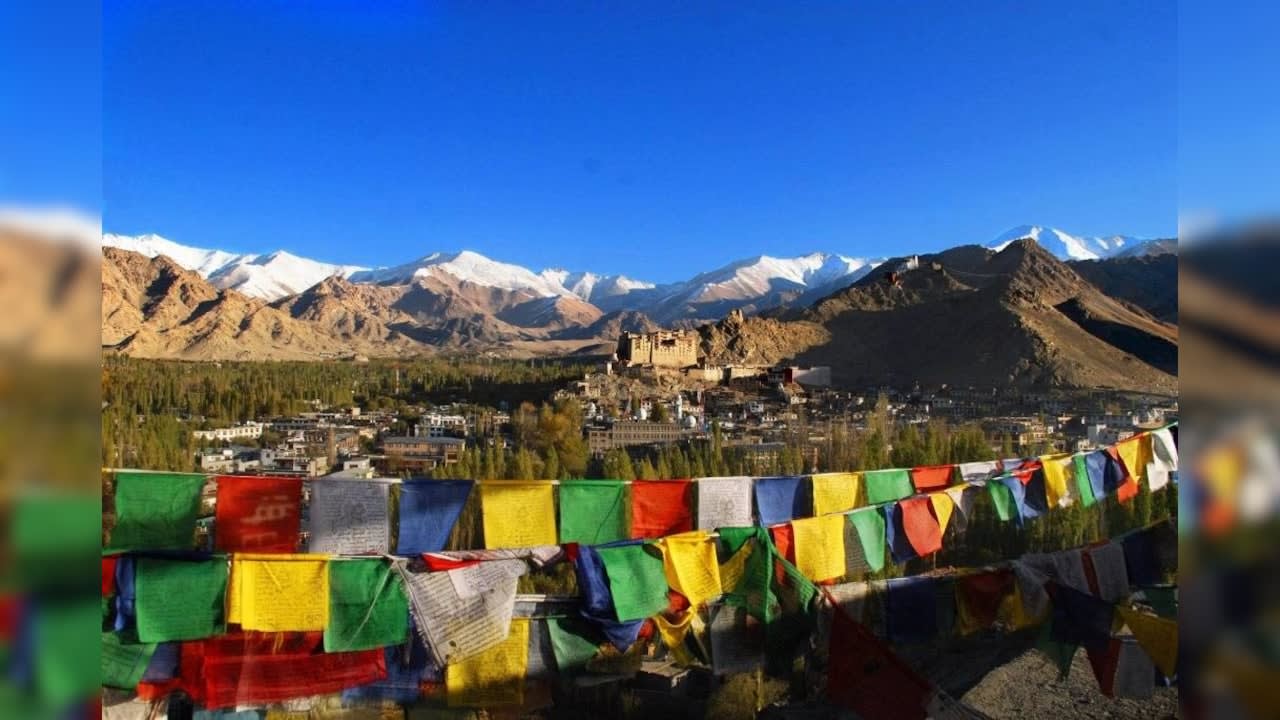
Ladakh has experienced significant fluctuations in precipitation patterns over the last five years. These extreme wet and dry spells highlight the region's increasing vulnerability to climate-driven environmental shifts.
The Shifting Climatic Paradigm in Ladakh
For the past five years, the high-altitude desert of Ladakh has increasingly become a focal point for meteorological study. Traditionally characterized by its arid, rain-shadow climate, the region is now grappling with erratic and extreme weather patterns. This shift from historical norms to unpredictable wet and dry cycles signals a profound transformation in the ecological stability of the trans-Himalayan landscape.
Analyzing the Five-Year Trend
The spotlight on Ladakh’s precipitation is not merely anecdotal; it is supported by observations of intensified climate variability. Over the last half-decade, the region has transitioned between sudden, intense bursts of rainfall and prolonged periods of drought. These extreme wet spells often overwhelm the region's fragile infrastructure, which is built for an arid environment, while the subsequent dry spells threaten the glacial meltwater sources upon which the local population relies for agriculture and daily survival.
Environmental and Agricultural Implications
The implications of these erratic spells are far-reaching. Ladakh’s agriculture is heavily dependent on snowmelt and seasonal glacial runoff. When rain patterns shift unpredictably, the timing of water availability becomes decoupled from the growing season. This creates a precarious situation for local farmers who have historically relied on a predictable, albeit sparse, water supply. Furthermore, sudden heavy rainfall in high-altitude terrain prone to loose soil increases the risk of flash floods and landslides.
The Broader Context of Himalayan Climate Change
Ladakh serves as a critical indicator of broader climate trends across the Himalayas. As global temperatures rise, the cryosphere—the frozen water part of the Earth's system—is undergoing rapid changes. The instability of precipitation in Ladakh reflects the complex interaction between shifting atmospheric circulation patterns and the unique topographical features of the Himalayan mountain range. This region acts as a 'water tower' for much of Asia, and its changing climate has downstream consequences for millions.
Future Trends and Resilience
Looking ahead, the predictability of weather in Ladakh is likely to remain low. Expert analysis suggests that the region must pivot toward climate-resilient infrastructure and adaptive water management strategies. The historical reliance on traditional irrigation methods, such as 'zing' (small tanks), may need to be integrated with modern scientific forecasting to mitigate the risks posed by these extreme weather oscillations.
Conclusion
In summary, the last five years have marked a period of significant environmental instability for Ladakh. By moving from a stable desert climate to one defined by extreme wet and dry spells, the region faces a new set of challenges that require urgent scientific attention and strategic policy intervention to protect both the local ecosystem and the communities inhabiting it.
Verification Required?