How glacial lake expansion adds to the growing concerns about GLOFs
Source Entity
The Indian Express
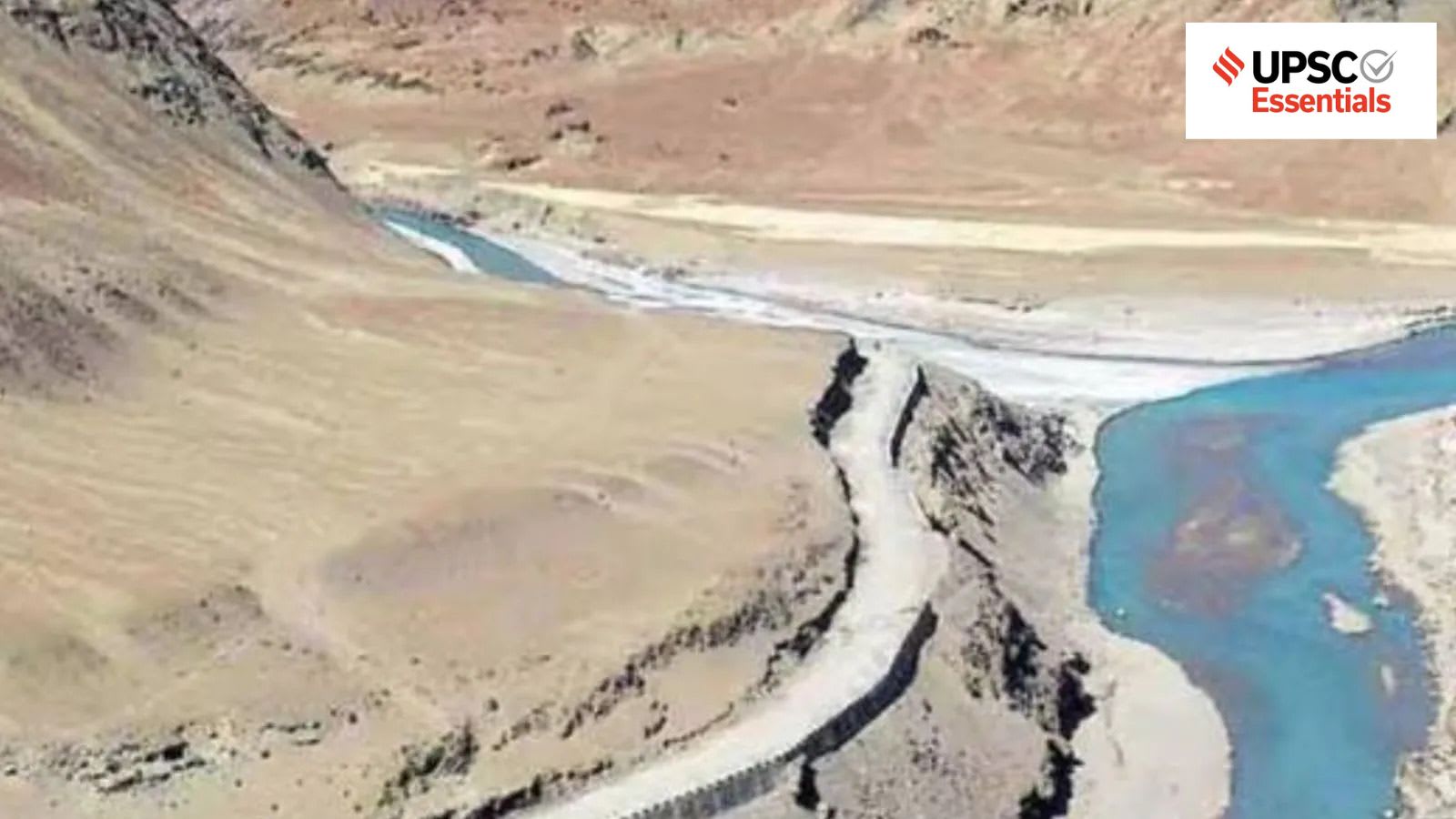
Glacial lakes in the Himalayas are expanding rapidly due to rising temperatures, significantly increasing the risk of catastrophic GLOF events. Recent data from Arunachal Pradesh shows alarming growth in high-risk lakes, highlighting a critical threat to regional infrastructure and safety.
The Escalating Threat of Himalayan GLOFs
As global temperatures continue their upward trajectory, the cryosphere—the frozen water part of the Earth system—is undergoing a rapid transformation. In the Himalayan region, this manifests as accelerated glacier retreat and a surge in meltwater, which in turn leads to the dramatic expansion of glacial lakes. This phenomenon has elevated the risk of Glacial Lake Outburst Floods (GLOFs), which occur when the natural dams holding these lakes fail, unleashing sudden and destructive torrents of water and debris into downstream valleys.
The Mago Chu Basin: A Case Study in Risk
Recent empirical evidence from the Mago Chu Basin in the Tawang district of Arunachal Pradesh provides a sobering look at this trend. A study examining five glacial lakes in the region revealed that four have experienced significant expansion between 2016 and 2026. This data is not merely anecdotal; it represents a measurable shift in the hydrological landscape of the Eastern Himalayas, where terrain stability is increasingly compromised by the encroaching water bodies.
Analyzing the Growth of Sanhapo Lake
Perhaps the most concerning discovery is the growth of Sanhapo Lake. Classified as a 'high-risk' body of water, it expanded from 55.87 hectares in 2016 to 88.81 hectares by mid-June 2026. This rapid increase in surface area places immense pressure on the surrounding moraine dams. When a lake grows at such a pace, the potential for a catastrophic breach increases, as the structural integrity of the natural barrier is tested by the sheer volume and weight of the accumulated meltwater.
Infrastructure and Human Vulnerability
India has already endured several devastating GLOF events that have resulted in significant loss of life and the destruction of critical infrastructure. The vulnerability of mountain communities is exacerbated by the fact that these regions are often remote, making early warning systems and evacuation efforts difficult to implement. As glacial lakes expand, the 'zone of impact' for potential floods extends further into populated areas, necessitating a re-evaluation of current disaster management strategies.
Future Trends and Mitigation
Looking ahead, the trend of lake expansion in the Himalayas is unlikely to reverse without significant stabilization of global climate patterns. Policymakers and disaster management agencies must shift from reactive measures to proactive monitoring. This includes the utilization of satellite imagery and ground-based sensors to track lake levels in real-time, particularly for those identified as high-risk. Only through sustained scientific monitoring and the development of robust, climate-resilient infrastructure can the Himalayan region hope to mitigate the cascading dangers posed by GLOFs.