Chandigarh: Sukhna wetland nominated for global Ramsar status
Source Entity
Latest News: Today's Latest News Headlines from India & World | Hindustan Times | Hindustan Times
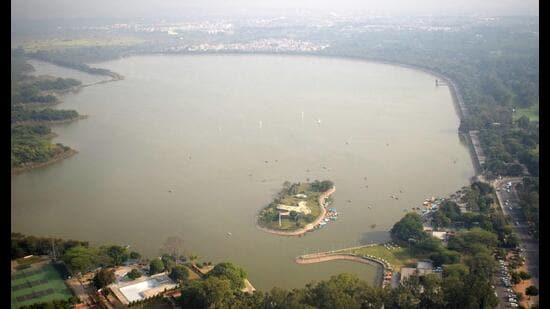
The Chandigarh administration has submitted a proposal to designate the 565-acre Sukhna wetland as a Ramsar site of international importance. This nomination aims to enhance conservation efforts, secure global funding, and address critical environmental challenges like siltation.
Sukhna Wetland: A New Chapter in International Conservation
The recent proposal to designate the Sukhna wetland in Chandigarh as a Ramsar site marks a significant milestone in India's ongoing commitment to environmental preservation. By submitting the 565-acre ecosystem to the Ramsar secretariat, authorities are seeking to elevate the profile of this vital water body, which has been recognized as a national wetland since 1988. This move is not merely administrative; it represents a strategic effort to integrate local ecological management into a global framework of conservation excellence.
Understanding the Ramsar Convention
Established in 1971 in Ramsar, Iran, the Ramsar Convention serves as the bedrock for the international protection of wetlands. It provides a structured mechanism for countries to manage their water-based ecosystems, which are essential for biodiversity, water security, and climate regulation. As India currently boasts 100 Ramsar sites—the highest number in Asia as of 2026—the inclusion of the Sukhna wetland would further cement the nation's leadership in regional environmental stewardship.
The Ecological Significance of Sukhna
Spread across 565 acres, the Sukhna wetland acts as a critical lifeline for the local environment. Beyond providing a habitat for diverse flora and fauna, these wetlands are essential for groundwater recharge and flood mitigation. However, like many urban-proximate ecosystems, Sukhna faces persistent ecological pressures. The designation process is designed to provide the necessary policy support and scientific expertise to mitigate long-standing issues, most notably the recurring challenge of siltation that threatens the wetland's capacity and health.
Economic and Scientific Implications
Securing the Ramsar tag is expected to unlock a range of tangible benefits for the Chandigarh region. The international recognition acts as a catalyst for attracting specialized funding and research initiatives. By aligning with global standards, local authorities can leverage improved management protocols to tackle environmental degradation. This influx of resources and academic interest is crucial for developing sustainable strategies that balance urban growth with the preservation of natural heritage.
Future Trends in Wetland Management
Looking forward, the potential designation of Sukhna signifies a broader trend in Indian policy: the shift toward internationalizing local conservation efforts. As climate change continues to impact water availability and biodiversity, the role of Ramsar sites becomes increasingly central to national resilience. If successful, the Sukhna project could serve as a model for other urban wetlands across India, demonstrating how international frameworks can be effectively utilized to protect essential ecosystems for future generations.
Verification Required?