Bumblebees are struggling in UK heatwaves - but you can help them
Source Entity
BBC News
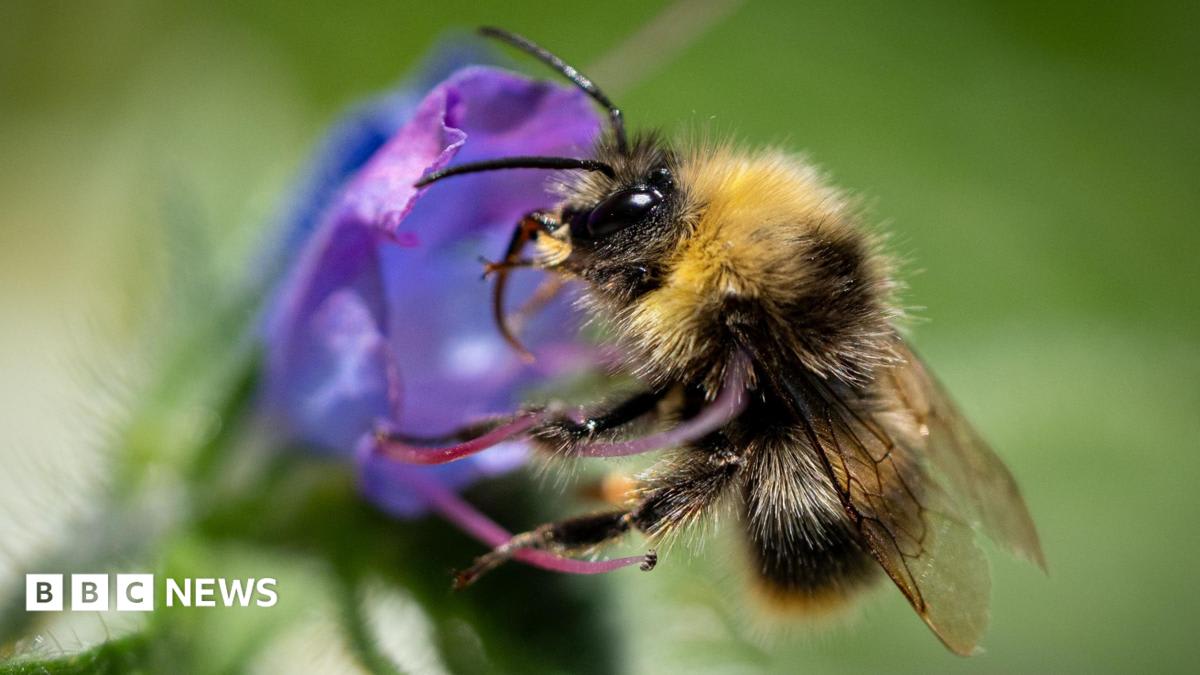
UK bumblebee populations are facing significant threats as frequent heatwaves exceed their physiological tolerance for heat. Conservation efforts are now essential to protect these vital pollinators from further decline.
The Silent Crisis: UK Bumblebees and the Heatwave Threat
Recent analysis, drawing on long-term data from the Bumblebee Conservation Trust, reveals a concerning trend: the UK’s iconic bumblebee populations are facing a precarious future. As climate change accelerates the frequency and intensity of heatwaves across Britain, these insects—physiologically adapted for cooler climates—are finding it increasingly difficult to survive and maintain their vital roles in the ecosystem.
Evolutionary Mismatch in a Warming Climate
The fundamental issue lies in the bumblebee’s biology. Their characteristically furry bodies are an evolutionary adaptation designed to capture and retain heat, which serves them well in the temperate, often chilly, British climate. However, this same trait becomes a significant liability during extreme heat events. When temperatures reach the thresholds observed during recent UK heatwaves, bumblebees struggle to fly without risking overheating, limiting their ability to forage and reproduce effectively.
The Impact of 2022 and Beyond
The data provided by the Bumblebee Conservation Trust offers a clear, longitudinal perspective on this decline. The record-breaking heat of 2022 served as a stark case study, resulting in a measurable drop in population numbers. This is not an isolated incident; rather, it highlights a pattern where consecutive heatwaves leave little time for populations to recover, potentially leading to a long-term downward trajectory for various species.
Why Bumblebees Matter: Ecosystem Services
Beyond their aesthetic value, bumblebees are a cornerstone of the British landscape. As primary pollinators, they are indispensable to the health of wildflowers and the productivity of various agricultural crops. A sharp decline in their numbers could trigger a cascade effect, negatively impacting biodiversity and food security. The loss of these pollinators would not only diminish the vibrancy of the British summer but also place economic and ecological strain on the wider environment.
Future Trends and Mitigation
The outlook for bumblebees remains tied to our ability to mitigate the effects of climate change and provide localized support. Because these insects are struggling to cope with the physiological stress of rising temperatures, conservationists are emphasizing the need for habitats that offer cooler microclimates, such as shaded areas and water sources. Understanding these trends is the first step toward implementing policies that protect these essential pollinators before their decline becomes irreversible.
Conclusion
The struggle of UK bumblebees against the backdrop of intensifying heatwaves is a bellwether for the broader environmental impacts of a changing climate. By acknowledging the vulnerability of these insects, we underscore the necessity of both macro-level climate action and micro-level conservation efforts to preserve the delicate balance of our natural world.