AI-altered images on birdwatching forums putting research at risk
Source Entity
Patrick Greenfield
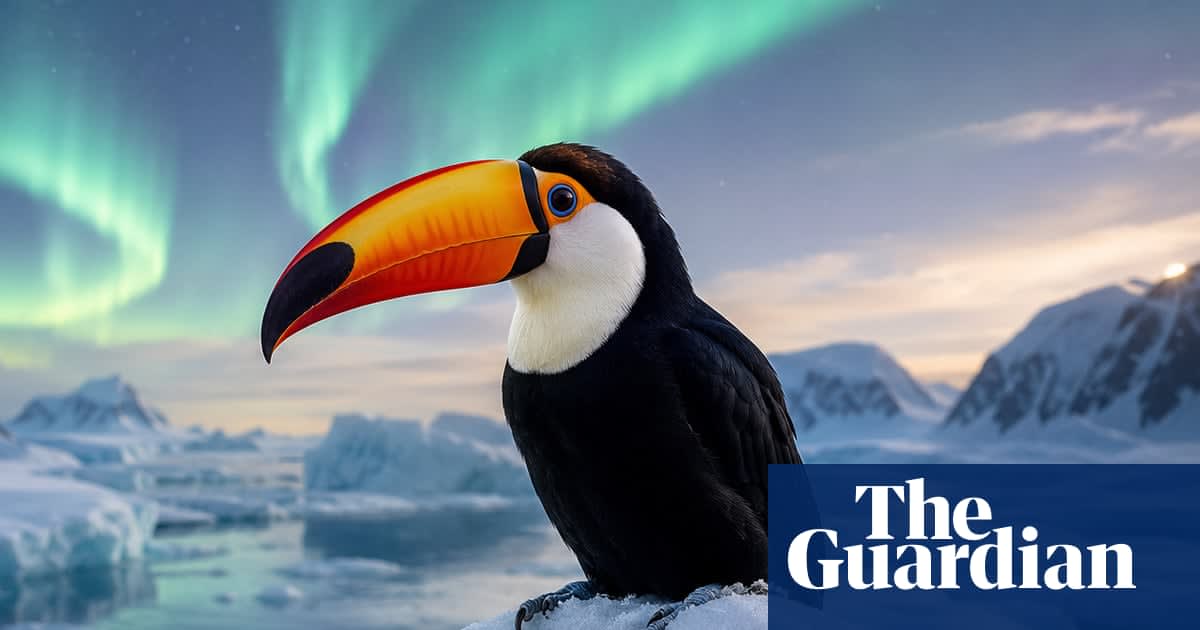
The rise of AI-altered bird photographs is threatening the integrity of citizen science platforms used for ecological research. Scientists are urging birdwatchers to limit image editing to ensure data accuracy for species monitoring.
The Digital Threat to Ornithological Records
For the dedicated birdwatching community, the thrill of spotting a rare species outside its established habitat is the ultimate achievement. In the United Kingdom, these rare sightings—such as the recent appearance of a western reef heron in a north Wales seaside town—are not merely recreational highlights; they are significant events that often capture national attention. However, this pursuit of the 'holy grail' is now facing a modern, technological challenge: the infiltration of AI-generated or heavily altered imagery on digital forums.
The Intersection of AI and Citizen Science
Citizen science platforms like iNaturalist and the Macaulay Library have revolutionized how ecologists track biodiversity. By crowdsourcing observations from thousands of amateur birders, these databases provide a massive, real-time map of species distribution and habitat shifts. This data is critical for monitoring how climate change or environmental degradation influences wildlife movement. Unfortunately, the democratization of generative AI tools like ChatGPT and Google Gemini has introduced a 'scourge' of synthetic content that threatens to pollute these vital datasets.
Why AI 'Slop' Matters to Researchers
When birdwatchers use AI to enhance, complete, or generate images of birds, they inadvertently introduce 'AI slop' into the scientific pipeline. While an edited photo might seem harmless in a social media context, its inclusion in a research-grade database can lead to erroneous conclusions. If researchers rely on doctored photos to confirm that a species has expanded its range, they may make policy or conservation decisions based on a phantom discovery. This potential for misinformation compromises the credibility of the entire citizen science ecosystem.
The Erosion of Trust in Digital Archives
Historical ornithology relied on physical specimens and verified photography to document avian life. Today, the ease with which generative AI can manipulate pixels means that the threshold for verifying a 'rare' sighting has shifted. The scientific community is now forced to contend with a new reality where image authenticity cannot be taken for granted. This necessitates more stringent validation protocols and a cultural shift within birding communities toward transparency regarding digital post-processing.
Future Trends and Conservation Implications
Looking ahead, the tension between AI-assisted creativity and scientific rigor will likely intensify. As generative tools become more sophisticated, distinguishing between a genuine, rare sighting and a synthetic fabrication will require advanced detection algorithms or a return to strictly verified, expert-led authentication. For the preservation of species monitoring, it is imperative that birdwatchers prioritize the integrity of their data over the aesthetic appeal of AI-enhanced imagery. Failure to do so risks turning one of our most effective conservation tools into a source of unreliable noise.